



Asian Decorative Wall Art
These pieces of asian decorative wall art span centuries of craftsmanship, offering striking visual interest for your home through intricate textiles and metalwork.
Asian Decorative Wall Art
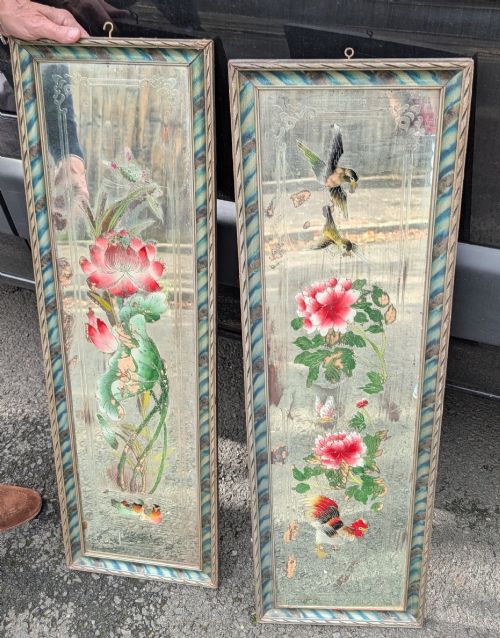
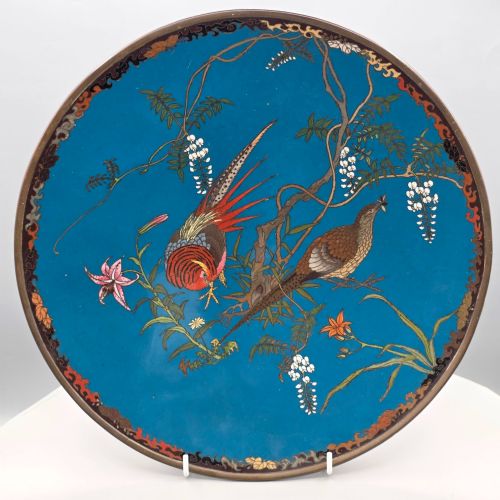
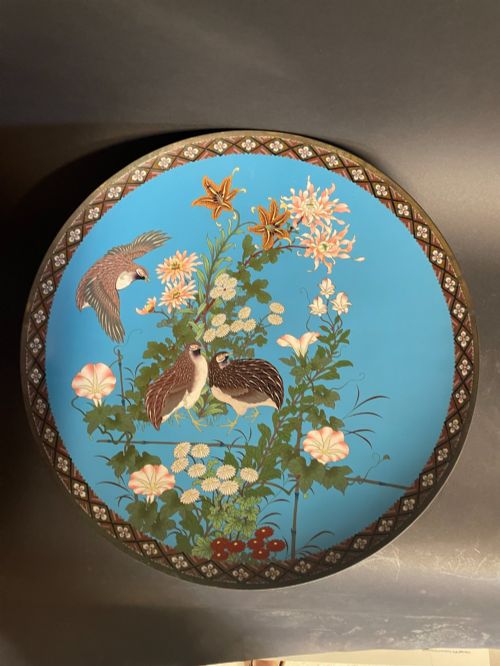
Asian decorative wall art encompasses a diverse range of objects designed for display, from heavy metal chargers to delicate textile hangings. You will frequently encounter Japanese Meiji period cloisonne chargers and Chinese lacquered panels among these listings.
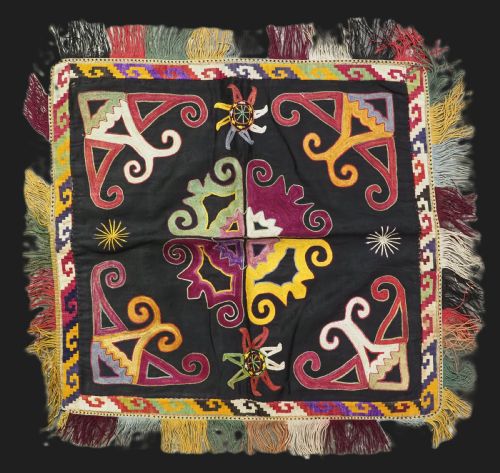
The selection also includes Central Asian tribal embroideries, such as Uzbek suzanis and ilgiches intended for wall hanging. Afghani jezail wall pieces and painted architectural elements like cart doors further broaden the scope.
Originating predominantly across the nineteenth and early twentieth centuries, these works reflect varied regional aesthetics from China, Japan, and Central Asia. Each form serves primarily to transform interior vertical space with colour and texture.
Materials and methods
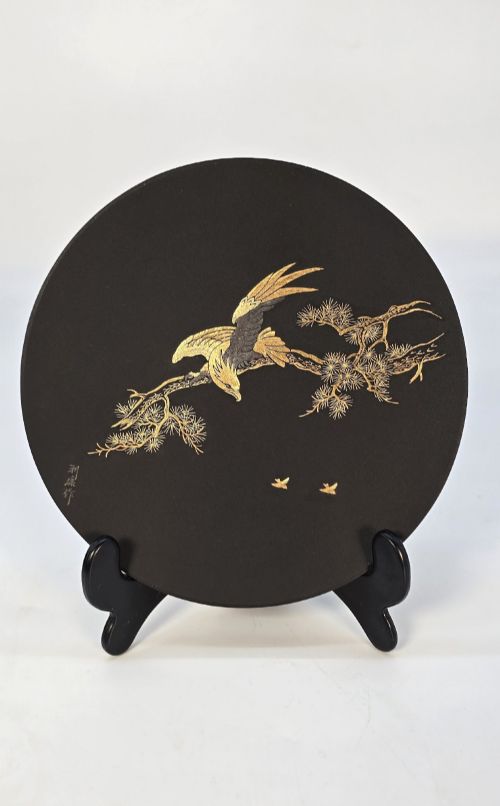
Metalwork pieces utilise copper, brass, and iron foundations decorated with enamel, cloisonne wire, and patination. Artisans applied gold and silver inlay to create intricate surface patterns on iron plaques and heavy chargers.
Textile works combine silk and cotton embroidered grounds, frequently featuring dense needlework executed by tribal makers. Lacquered panels employ wooden bases inlaid with bone, mother of pearl, and abalone, often supplemented with metallic foil.
Materials span copper, brass, iron, silk, cotton, and wood, combined with enamel, paint, and shell inlay across multiple Asian regions.
Quality variations
The sophistication of the inlay work and the precision of the cloisonne enamel cells distinguish finer examples from standard production. Artisans who achieved subtle tonal gradations and flawless surface polish elevate certain chargers and plaques above others.
Textile quality depends heavily on the density of the embroidery stitches and the complexity of the silk threadwork. Lacquered items demonstrate superior craftsmanship through secure shell inlay and well-preserved painted details that resist flaking.
The Asian Decorative Wall Art Glossary
- Cloisonne
- A decorative metalwork technique where thin wire partitions form cells that hold enamel paste before firing. This method creates vibrant, patterned surfaces on copper chargers and plates.
- Suzani
- A type of embroidered tribal textile originating from Central Asia, traditionally created as dowry pieces. These large cotton or silk hangings feature bold floral and geometric motifs.
- Imari
- A style of Japanese porcelain named after the port of shipment, characterised by underglaze blue and overglaze red, gold, and black decoration. Such plates and chargers were widely produced for export.
- Meiji Period
- The era in Japanese history spanning from eighteen sixty-eight to nineteen twelve, marked by rapid modernisation and exceptional decorative arts production. Works from this time often display meticulous metal and enamel detail.
- Lacquered
- Coated with multiple layers of resin sap that hardens into a durable, glossy finish. Artisans frequently carved this surface or embedded mother of pearl and bone to build pictorial scenes.
Asian Decorative Wall Art: Frequently Asked Questions
How do I hang heavy metal chargers?
Heavy metal chargers require specialised wall fixings that securely support the entire rim without placing stress on decorative enamel surfaces.
Use professional brass or steel spring hangers designed specifically for heavy plates to distribute the weight evenly.
Are textile hangings sensitive to light?
Silk and cotton embroideries, such as antique suzanis, are susceptible to fading when exposed to direct sunlight over extended periods.
Position these delicate textiles on interior walls away from windows to preserve the original vibrancy of the dyed threads.
Can lacquered panels tolerate humid rooms?
Lacquered wooden panels react poorly to extreme fluctuations in humidity and temperature, which can cause the underlying wood to warp.
Keep these pieces in stable indoor environments away from radiators, damp areas, and direct heat sources.