



Asian Ceramic Figurine
These asian ceramic figurine examples bring centuries of heritage into a room, spanning delicate deities and playful okimono.
Asian Ceramic Figurine
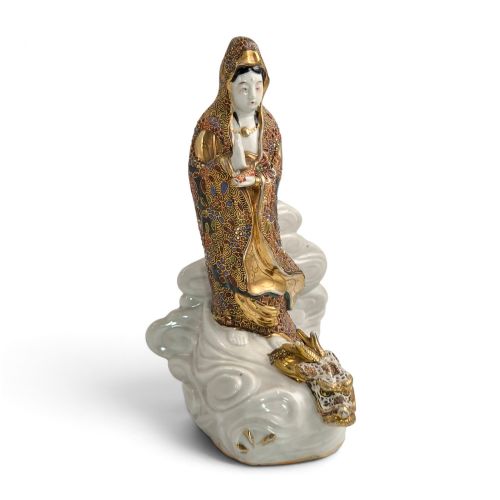
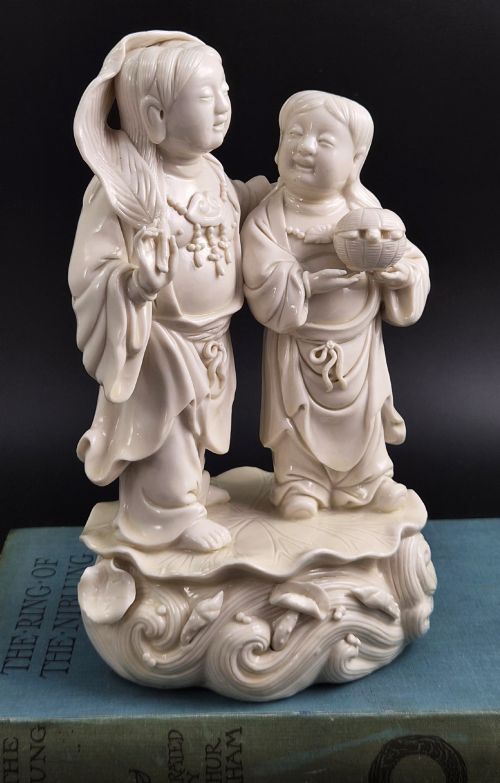
An asian ceramic figurine represents deities, scholars, monks, and creatures drawn from Chinese and Japanese traditions. The selection ranges from nineteenth-century Kutani figures and Satsuma deities to Qing Dynasty Blanc-de-Chine groups.
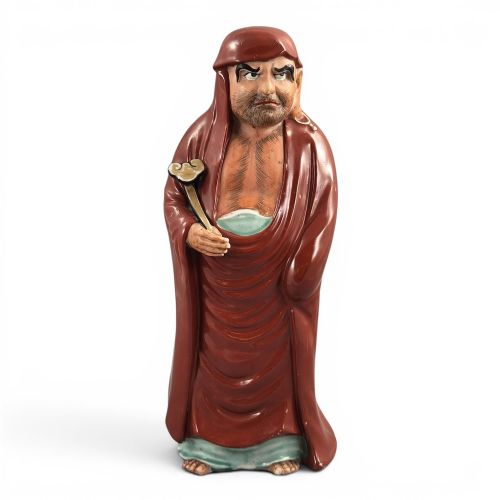
Most pieces on this page originate from the nineteenth century through the early twentieth century, encompassing Meiji period and Edwardian examples. Forms vary from single figures such as Kannon or Daruma to pairs of ducks and musical band groupings.
Chinese and Japanese workshops produced these figures for export and domestic use alike, utilising distinct regional aesthetics. Buyers encounter both devotional sculptures and secular decorative figures shaped by centuries of craftsmanship.
How they were made
Potters shaped earthenware and porcelain before applying lead and alkali glazes such as the traditional three-colour sancai palette. Artisans also utilised fine enamel pigments to paint details directly onto the fired body.
Japanese Satsuma and Kutani workshops frequently employed gold leaf and intricate overglaze enamelling to enrich the ceramic surface. Dehua kilns in China focused instead on translucent white porcelain that relied entirely on sculptural form and clear glaze.
Asian Ceramic Figurine Retail Price Guide 2026
Typical asking prices for asian ceramic figurine among the pieces listed under this phrase on Sellingantiques today, from the lower quarter to the upper quarter. They describe what is for sale here now, not the wider market.
Listings feature porcelain, earthenware, and glazed ceramic forms spanning the eighteenth through the early twentieth century.
What varies in quality
The finesse of the modelling separates standard decorative wares from superior examples, particularly in the rendering of facial expressions and drapery folds. Master modellers achieved a lifelike presence in figures like Daruma or Kannon through precise hand-carving.
Surface decoration dictates value through the precision of the enamel work and the richness of the gilding. Crisp, well-defined brushwork and harmonious colour application elevate a piece above simpler mass-produced output.
Makuzu Kozan II
The Asian Ceramic Figurine Glossary
- Okimono
- A Japanese ornamental statue or figurine designed for display in a domestic alcove. These pieces typically depict deities, historical figures, or animals.
- Satsuma
- A type of Japanese earthenware featuring a ivory-crackled glaze decorated with polychrome enamels and gold. It originated in Satsuma Province during the seventeenth century.
- Kutani
- Japanese porcelain and pottery characterised by bold overglaze painting in vibrant greens, blues, yellows, and purples. It hails from Ishikawa prefecture.
- Sancai
- A traditional Chinese three-colour glaze technique utilising shades of amber, green, and creamy white. It appears prominently on Tang Dynasty style pottery figures.
- Blanc-de-Chine
- A white porcelain produced at Dehua in Fujian province, known for its milk-white glaze and smooth texture. It is frequently used for figures of Buddhist deities.
Asian Ceramic Figurine: Frequently Asked Questions
What do these figures typically depict?
These figures represent a wide array of cultural, religious, and mythical subjects from East Asia. Common themes include Buddhist deities like Kannon, legendary figures such as Daruma, and auspicious animals like mandarin ducks.
Craftsmen also portrayed everyday characters, scholars, and foreign attendants. Each subject carried specific symbolic meanings concerning longevity, wisdom, and good fortune.
How do I identify a Satsuma piece?
Satsuma ware is easily recognised by its characteristic ivory-coloured earthenware body covered in a fine, web-like network of glaze crackles. Decoration usually incorporates dense hand-painted enamels combined with generous applications of gold leaf.
These pieces range from small decorative figures to large vases and sculptural okimono. The style evolved significantly for the export market during the late nineteenth century.
How can I distinguish Kutani from Satsuma?
Kutani ceramics are typically made of porcelain with vibrant, painterly overglaze designs dominated by greens, blues, and reds. Satsuma pieces utilise a distinctly crackled earthenware body with a cream-coloured background and heavy gold detailing.
Examining the base and the weight of the piece often clarifies the material difference between porcelain and fine earthenware. The visual texture of the glaze remains the quickest way to separate the two traditions.