





Asian Carved Wood Furniture
These pieces of asian carved wood furniture bring heavy rosewood, elm, and marble into a room through tables, chairs, and cabinets.
Asian Carved Wood Furniture
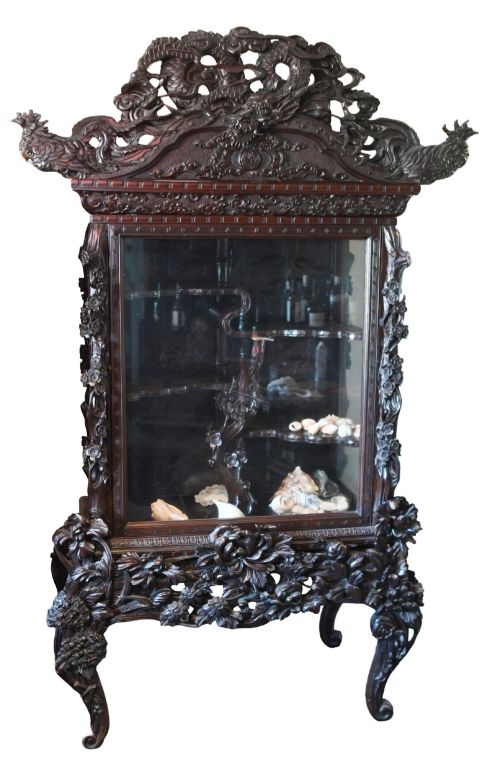
When you search for asian carved wood furniture, you encounter items shaped by Qing Dynasty, Chinese Export, and Meiji Period traditions. The selection spans the nineteenth century through the early twentieth century, taking the form of plant stands, side tables, armchairs, and display cabinets.
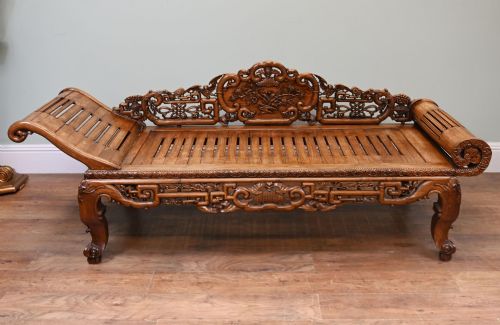
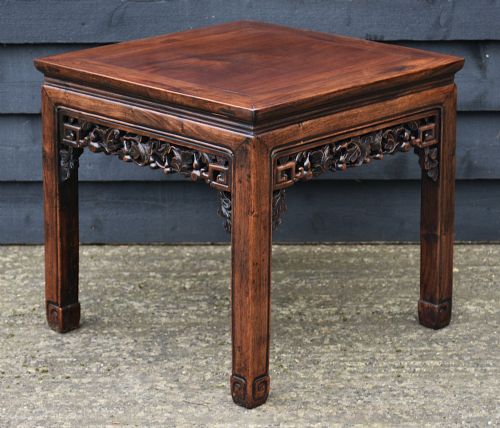
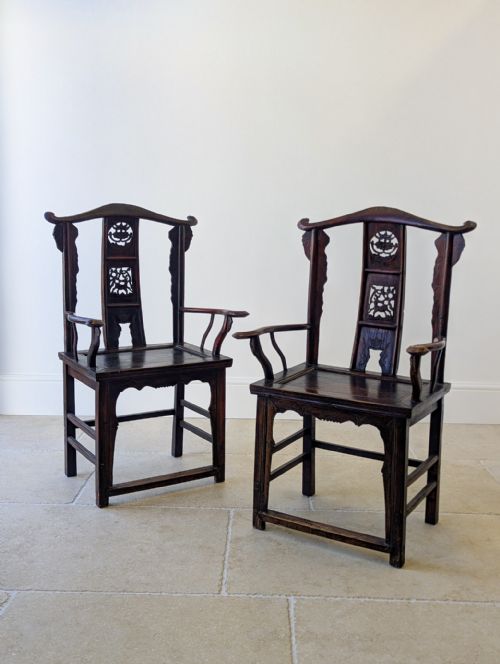
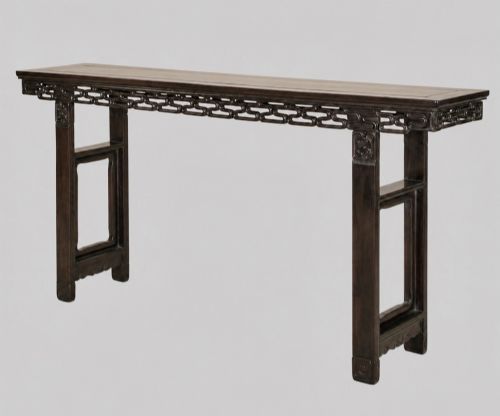
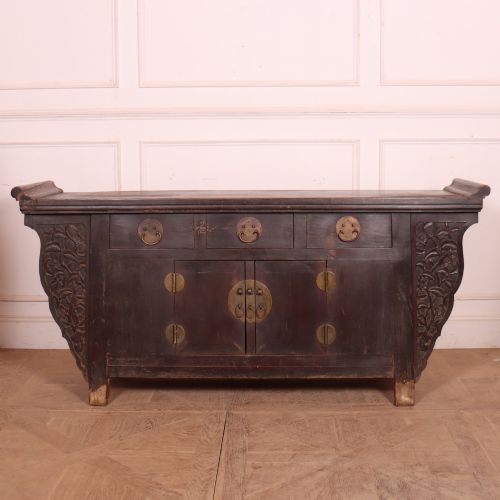
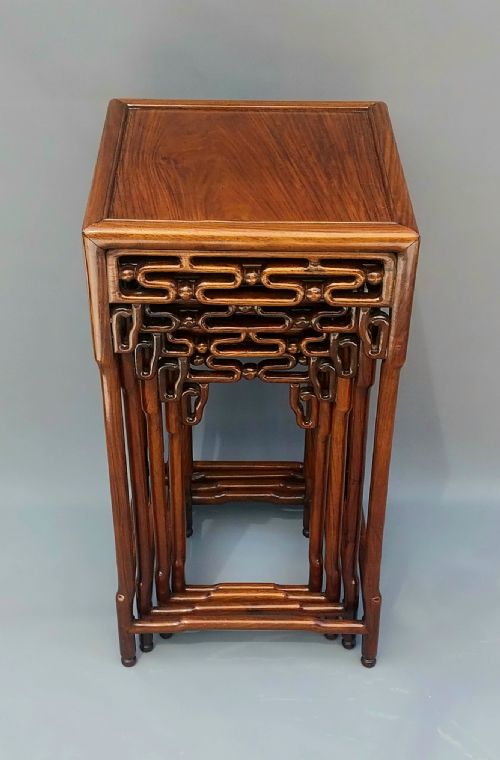
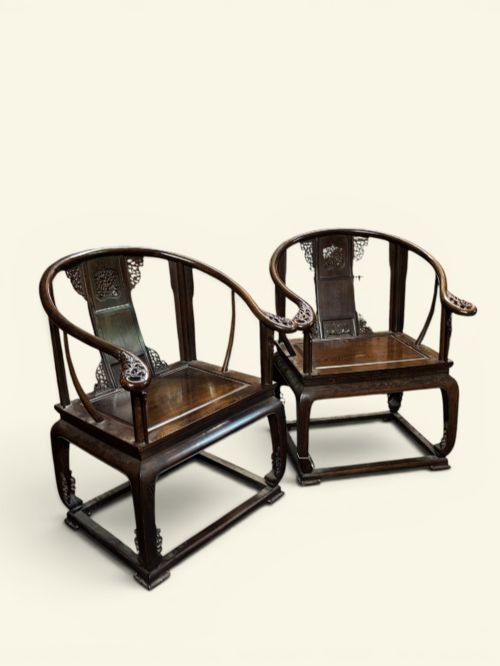
You are most likely to meet low tables, nest of tables, and armchairs built from dense hardwoods. These items include altar tables, opium tables, and horseshoe-back chairs originating from Chinese and Japanese workshops.
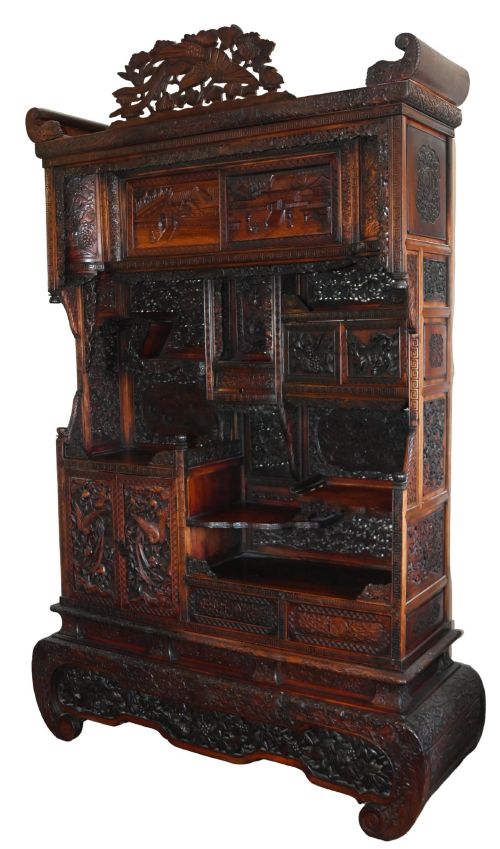
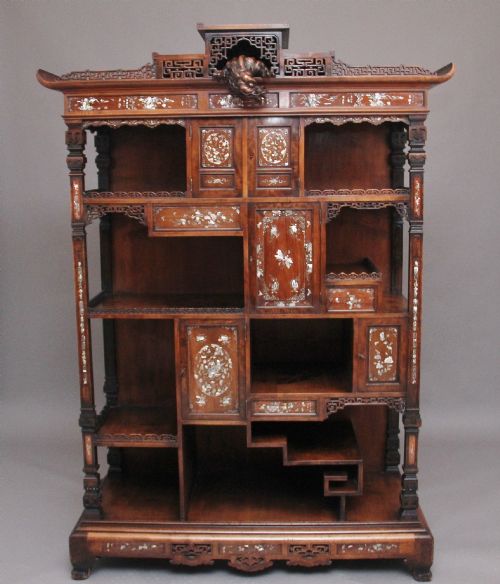
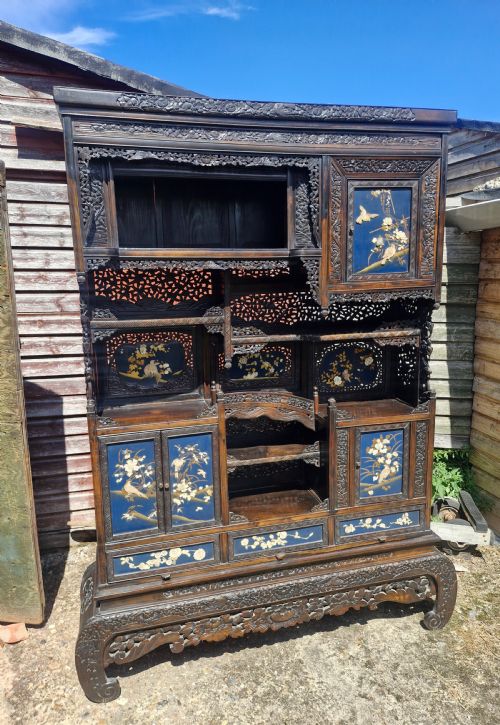
The assortment includes specialised forms like torchère stands, lamp hanger chairs, and shodana cabinets. Each piece reflects regional cabinet-making practices across specific historical eras.
How They Were Made
Cabinet-makers utilised dense timbers such as rosewood, hongmu, padouk, and elm. These woods were carved with deep relief panels, scrolling ends, and figural motifs.
Surfaces frequently combined carved timber with inset marble tops, lacquer layers, and brass fittings. Joinery relied on interlocking construction methods suited to heavy, durable furniture.
Asian Carved Wood Furniture Retail Price Guide 2026
Typical asking prices for asian carved wood furniture among the pieces listed under this phrase on Sellingantiques today, from the lower quarter to the upper quarter. They describe what is for sale here now, not the wider market.
Materials appearing across the inventory include marble, brass, lacquer, elm, and heavy rosewood.
What Varies in Quality
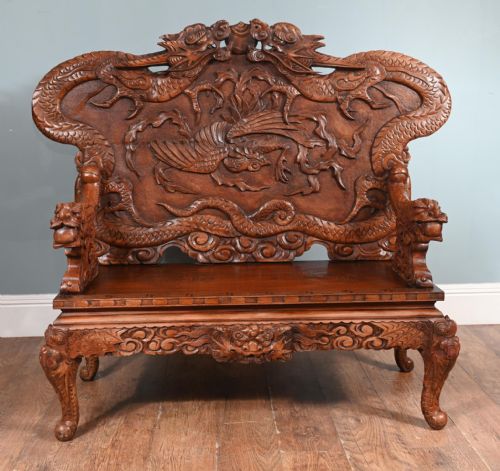
The standard of a piece depends on the depth and crispness of the carving. Deeply undercut dragons, foliage, and figures demonstrate superior hand skill compared to shallow surface work.
Selection of timber also divides the range. Dense rosewood and hongmu specimens with rich natural grain command attention over softer painted elm or secondary woods.
The Asian Carved Wood Furniture Glossary
- Hongmu
- A dense, dark tropical hardwood favored for traditional Chinese seating and tables. It translates directly to red wood and holds intricate chisel work well.
- Shodana
- A traditional Japanese multi-tiered display cabinet featuring staggered shelves and sliding doors. These items date primarily to the Meiji and Taisho periods.
- Kang
- A low platform table used in northern Chinese interiors for sitting or dining. They often feature carved scroll ends and low profiles.
- Torchère
- A tall stand or pedestal designed to support a lamp or decorative vase. They appear frequently in carved hardwood configurations.
- Cinnabar
- A red mineral pigment applied in multiple layers to a wooden core and carved with detailed scenes. It creates a durable, glossy surface finish.
Asian Carved Wood Furniture: Frequently Asked Questions
How do I use an opium table today?
These low tables work well as coffee tables in a modern living space.
Their compact height pairs naturally with low seating arrangements.
Where were shodana cabinets placed?
Japanese households utilised these multi-tiered display cabinets in reception rooms.
Owners used the staggered shelves to exhibit ceramics and scholar objects.
How do I identify Qing Dynasty furniture?
Look for heavy proportions, dark hardwoods, and deep relief carving depicting dragons or foliage.
These characteristics mark items produced during the nineteenth and early twentieth centuries.