




Asian Carved Timber Panel
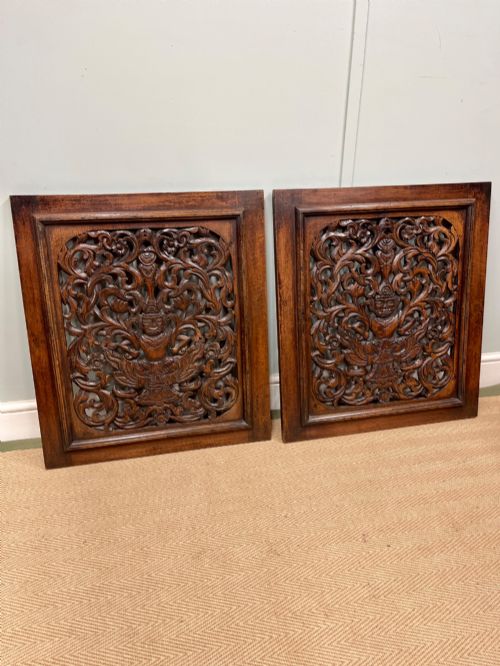
These asian carved timber panel examples bring dense relief work and deep cultural history straight onto a modern wall.
Asian Carved Timber Panel
When you search for an asian carved timber panel, you enter a diverse world of architectural salvage, wall plaques, and folding screens spanning the eighteenth, nineteenth, and early twentieth centuries. These pieces originate from distinct traditions including Qing Dynasty China, nineteenth-century Burma, the Edo period in Japan, and Toraja tribal regions.
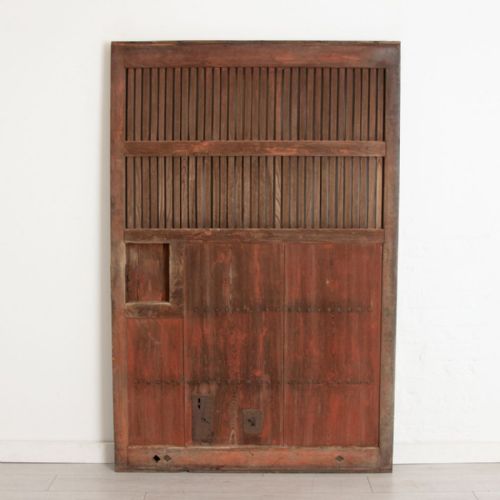
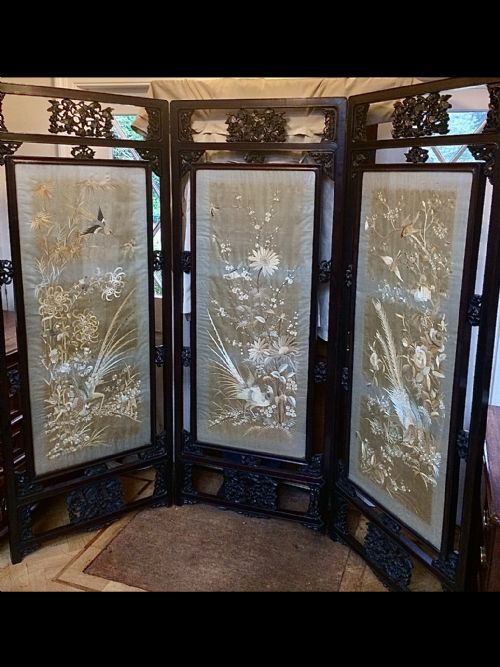
The objects most frequently met on this page take the form of wall panels, decorative plaques, room dividers, and heavy wooden doors salvaged from older buildings. Alongside these flat architectural fragments, the inventory occasionally stretches to related carved forms such as armchairs, cupboards, and silk screens.
Buyers look to these panels for intricate narrative scenes, deep relief carving, and the rich patination of aged timber. Every piece carries the physical marks of its original structural context, whether rescued from a Chinese provincial building or a Japanese storehouse.
Materials and construction methods
Makers relied on dense hardwoods, teak, elm, and general timber as the primary structural foundations for their relief carvings. These heavy woods provided the stability required for deep chisel work without splitting along the grain.
Surface finishes frequently incorporate lacquer, gold leaf, brass fittings, iron elements, and painted pigments to accentuate the carved motifs. Artisans applied these layers to highlight figures, foliage, and mythological dragons against darkened backdrops.
Listings span the eighteenth century to nineteen-hundred, featuring hardwood, teak, elm, lacquer, and gold leaf across multiple regional styles.
Distinctions in quality and execution
The depth and sharpness of the chisel work separate ordinary decorative boards from exceptional sculptural reliefs. Skilled carvers undercut figures and foliage to create layers of shadow and three-dimensional perspective.
The integrity of the timber and the survival of original surface treatments dictate the overall character of a panel. Pieces retaining their initial lacquer, paint, or gilding offer a more complete historical record than stripped or heavily restored surfaces.
The Asian Carved Timber Panel Glossary
- Relief carving
- A sculptural technique where figures and motifs project from a flat background timber. Deeper undercutting requires greater skill from the artisan.
- Architectural salvage
- Elements rescued from older buildings, including doors, panels, and structural frames. These items transition from functional building parts into wall decoration.
- Lacquer
- A durable resin finish applied in multiple coats to wood surfaces. It provides both protection and a glossy decorative sheen.
- Gold leaf
- Extremely thin sheets of beaten gold applied to highlighted areas of carving. This technique draws the eye to specific figures or celestial dragons.
- Patina
- The surface sheen and colour developed by aged timber through handling, exposure to light, and time. It serves as a visual indicator of age.
Asian Carved Timber Panel: Frequently Asked Questions
How were asian carved timber panel pieces originally used?
These panels functioned as structural doors, room dividers, architectural wall elements, and decorative screens within traditional buildings. They defined interior spaces while displaying auspicious symbols or narrative histories.
Over time, many of these architectural elements were salvaged from older buildings and repurposed as standalone wall art for modern interiors.
Where do most panels originate?
The available pieces originate from various Asian traditions, predominantly nineteenth-century China, Burma, and Japan, alongside Toraja tribal regions. Each region employed distinct wood species and carving motifs.
Chinese panels frequently feature Qing Dynasty dragon carvings, while Burmese and Japanese examples showcase local stylistic conventions and timber choices.
How do I hang a heavy wooden panel?
Due to the substantial weight of dense hardwoods like teak and elm, secure wall fixings into masonry or timber studs are essential. Professional framing or custom mounting brackets distribute the weight safely.
Consulting a specialist art installer ensures the panel remains secure without damaging the historic timber frame.
How do I care for antique timber?
Keep panels away from direct heat sources and dramatic humidity fluctuations to prevent the wood from splitting or warping. Dust gently with a dry, soft cloth without applying modern chemical polishes.
Allowing the natural patina to breathe preserves the historical surface finish and any remaining lacquer or gold leaf.