


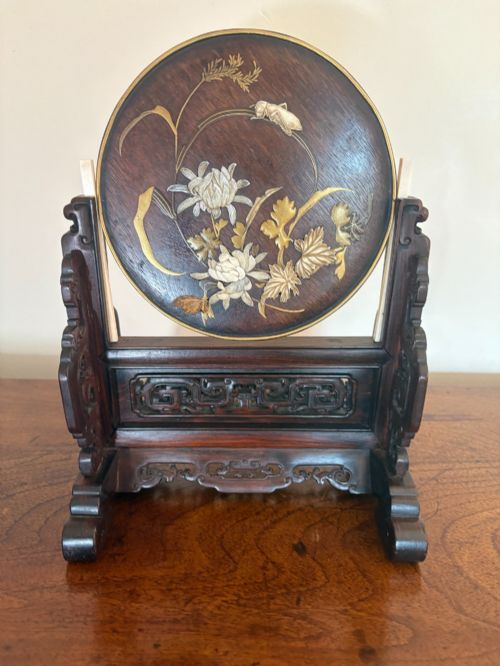
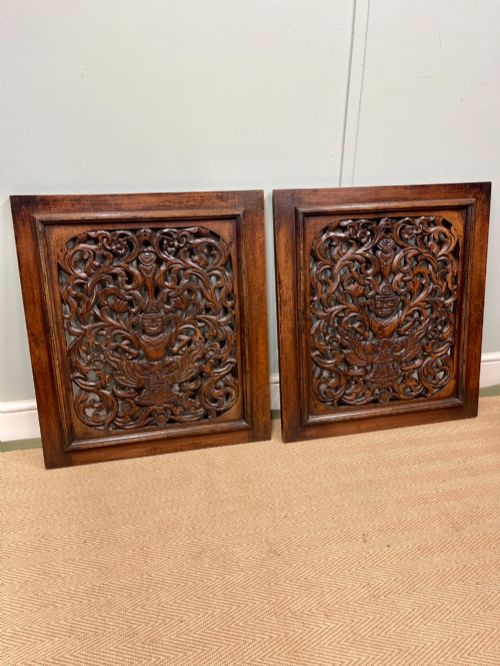
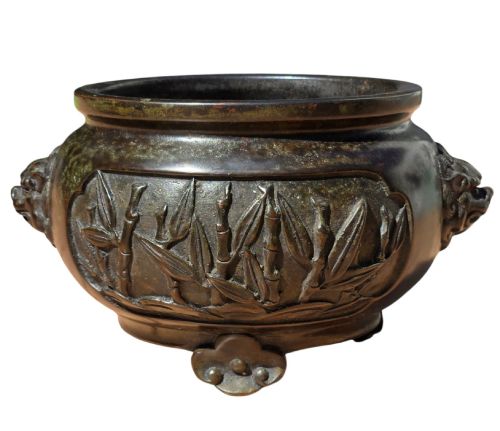
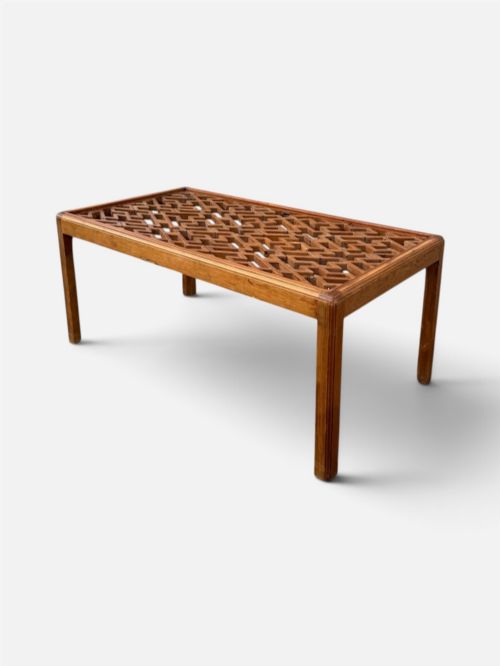






Asian Carved Panel
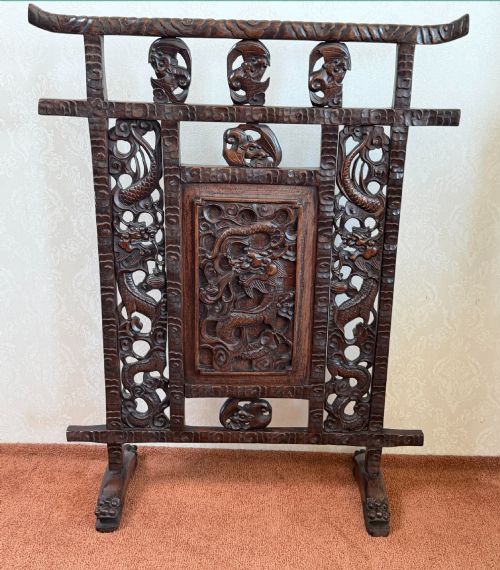
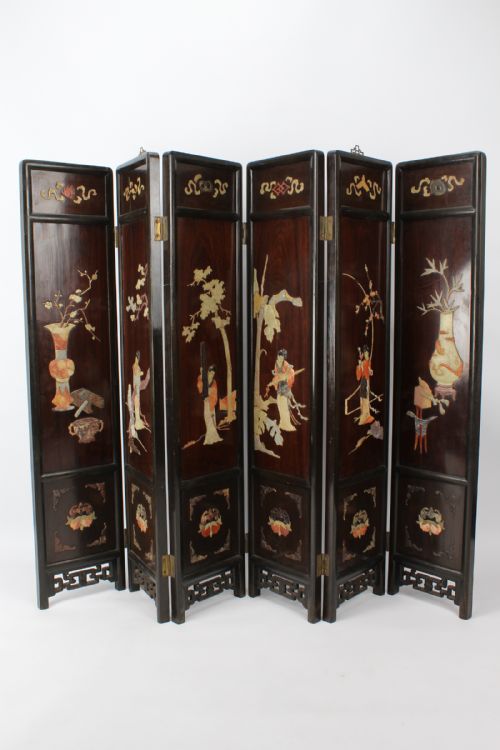
An asian carved panel brings rich texture and intricate relief work into a room, spanning folding screens, wall plaques, and architectural fragments.
Asian Carved Panel
When you search for an asian carved panel, you encounter an array of decorative objects originating primarily from China, Japan, Burma, and India. These pieces range from substantial multi-fold room dividers and temple panels to smaller table screens and wall plaques.
The selections span several centuries, with the nineteenth century heavily represented alongside earlier eighteenth-century architectural elements and twentieth-century interpretations. Forms include structural doors, cabinet panels, and framed artworks designed for display.
How They Were Made
Craftsmen utilised dense timbers such as teak and various hardwoods, carving deep relief scenes directly into the material. Lacquered wood provided a smooth base for intricate inlay work using bone, mother-of-pearl, abalone, and hardstones.
Finishes combined natural lacquer, gilt wood accents, and painted details to highlight figurative and landscape compositions. Structural joinery and delicate fretwork framing supported these layered decorative elements.
Asian Carved Panel Retail Price Guide 2026
Typical asking prices for asian carved panel among the pieces listed under this phrase on Sellingantiques today, from the lower quarter to the upper quarter. They describe what is for sale here now, not the wider market.
Materials recorded across the listings include hardwood, teak, lacquer, bone, glass, and brass.
What Varies in Quality
Quality rests in the depth and precision of the carving, where sharply articulated figures and clean undercut foliage separate superior pieces from simpler work. The complexity of the composition and the variety of inlaid materials dictate the distinction between standard room dividers and exceptional decorative panels.
The integrity of the underlying timber and the preservation of original lacquer or gilding govern the overall character of each item. Pieces retaining crisp detailing without excessive later restoration hold greater artistic merit.
The Asian Carved Panel Glossary
- Coromandel
- A type of Chinese incised lacquerware where designs are carved into a dark ground and filled with colours or gold. This technique frequently appears on large folding screens.
- Shibayama
- A Japanese craft style involving the inlay of precious materials such as bone, ivory, and shell into a wood or lacquer ground. These inlays create raised pictorial motifs.
- Chinoiserie
- A European artistic style reflecting Chinese motifs and techniques, popular in furniture and decorative panels. It reinterprets Asian aesthetics through a Western lens.
- Qing Dynasty
- The final imperial dynasty of China, spanning from the seventeenth to the early twentieth century. Many carved wooden panels and screens originate from this extended period.
Asian Carved Panel: Frequently Asked Questions
How were folding screens used historically?
Folding screens served primarily as room dividers to create private spaces within larger halls or to block drafts. They also functioned as decorative backdrops for furniture and ceremonial seating.
In domestic settings, smaller versions sat upon tables or desks, while taller multi-fold panels stood directly on the floor. Their portability allowed occupants to rearrange room layouts easily.
What is a table screen?
A table screen is a small decorative panel mounted on an intricate wooden stand, designed for placement on desks or tables. Scholars and collectors used them as objects of contemplation rather than room dividers.
These pieces often feature fine carvings, inlaid stones, or silk panels protected within a wooden frame. They highlight miniature craftsmanship and detailed pictorial subjects.
How do I care for lacquered wood panels?
Lacquered surfaces require stable indoor humidity and protection from direct sunlight to prevent cracking or fading. Dust them gently with a soft, dry cloth without applying modern chemical polishes.
Avoiding extreme temperature fluctuations preserves the underlying timber and delicate inlay work. Gentle handling ensures the original finishes remain intact.
How can I tell the difference between periods?
Distinguishing periods involves examining the tooling marks, the composition style, and the ageing of the timber and lacquer. Earlier pieces from the eighteenth century or earlier often display heavier structural framing and deeper patination.
Nineteenth and twentieth-century examples frequently incorporate standardised joinery or specific regional motifs associated with the Meiji period or late Qing dynasty. Comparing the complexity of inlay materials also helps narrow down the timeframe.