



Asian Art Miniature
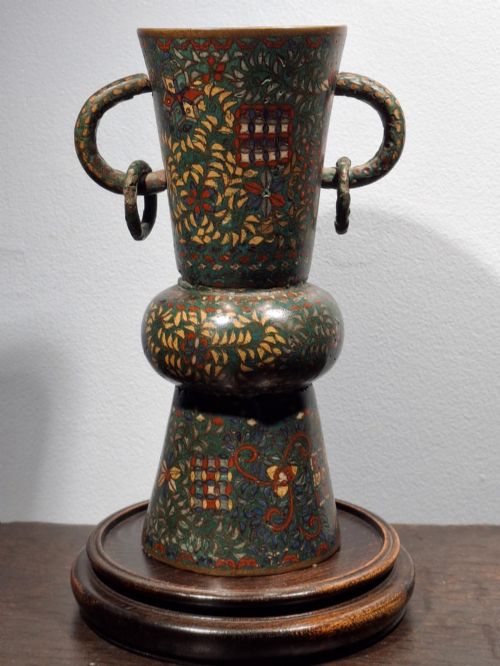
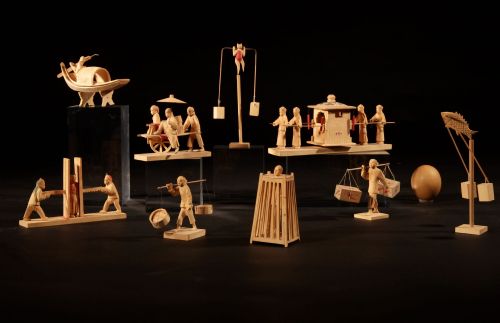
These pieces of asian art miniature bring together intricate craftsmanship and compact scale, offering a concentrated window into diverse traditions.
Asian Art Miniature
When you search for asian art miniature, you are looking at a compact world of portable carvings, delicate paintings, and small sculptures. These objects represent centuries of detailed artistry from various traditions across the East.
On this page, you are most likely to meet pieces spanning the nineteenth and early twentieth centuries. The selection ranges from painted portraits on paper and silk to carved wood netsuke and hardstone items.
The forms vary from functional decorative screens to standalone figures and detailed animal carvings. Each item reflects the specific aesthetic concerns of its period and origin, whether Indian, Chinese, or Japanese.
How they were made
Makers utilised traditional organic and mineral materials, shaping wood, jade, hardstone, and amber with specialised hand tools. Carving requires immense precision when working on such a small scale, particularly with dense woods and stubborn stone.
Painters applied gouache and ink onto prepared surfaces of paper and silk, often building up fine details with miniature brushes. Textiles were woven and mounted into intricate wooden stands to create balanced display pieces.
Asian Art Miniature Retail Price Guide 2026
Typical asking prices for asian art miniature among the pieces listed under this phrase on Sellingantiques today, from the lower quarter to the upper quarter. They describe what is for sale here now, not the wider market.
Object types seen on this page range from netsuke and paintings to garden sculptures and table screens.
What varies in quality
The depth and control of the carving separate the finer pieces from simpler work. Superior examples display clean lines, thoughtful proportions, and a confident handling of the material that brings the subject to life.
In painted works, the fineness of the brushwork and the preservation of pigment dictate the standard. Superior execution shows in the expressive detail of faces and clothing rather than hasty application.
The Asian Art Miniature Glossary
- Netsuke
- A small carved toggle fastened to the end of a cord attached to a pouch or traditional container. These objects are typically fashioned from wood or amber.
- Gouache
- An opaque watercolour medium composed of ground pigments and a binding agent. It provides a flat, matte surface used frequently in traditional painting.
- Table Screen
- A decorative panel supported by a carved stand, designed for placement on a desk or table. They often feature intricate silk embroidery or painted panels.
- Hardstone
- A term used by lapidaries to describe semi-precious stones such as jade and amber. These materials require abrasive cutting techniques due to their density.
Asian Art Miniature: Frequently Asked Questions
What is an asian art miniature?
An asian art miniature is a small-scale painting, carving, or sculpture created within Eastern artistic traditions. These pieces include netsuke, small paintings, and carved wood objects.
They capture large subjects in compact forms, allowing for intimate appreciation of detail and material.
How were these miniature items used?
Many of these items served practical daily functions, such as toggles for traditional garments or decorative screens for interior spaces. Others were created purely for visual appreciation.
Paintings often recorded historical figures, court scenes, or landscapes on portable sheets of silk and paper.
How do I date a piece?
Dating relies on stylistic markers, material preparation, and historical context recorded in the specific traditions of the nineteenth and early twentieth centuries. Comparing the handling of subjects helps establish the period.
Subtle changes in attire, painting technique, and carving style provide clues to the era of origin.
How should I display them?
Display these delicate pieces away from direct sunlight and excessive humidity to protect organic materials like silk and paper. Small carvings benefit from stable placement where they can be handled safely.
Using proper lighting enhances the fine details without causing damage to pigments or amber.