






Asian Stool
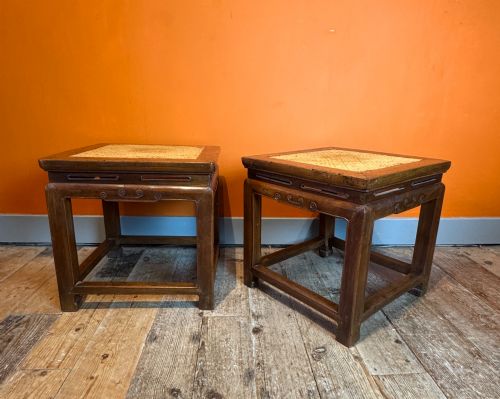
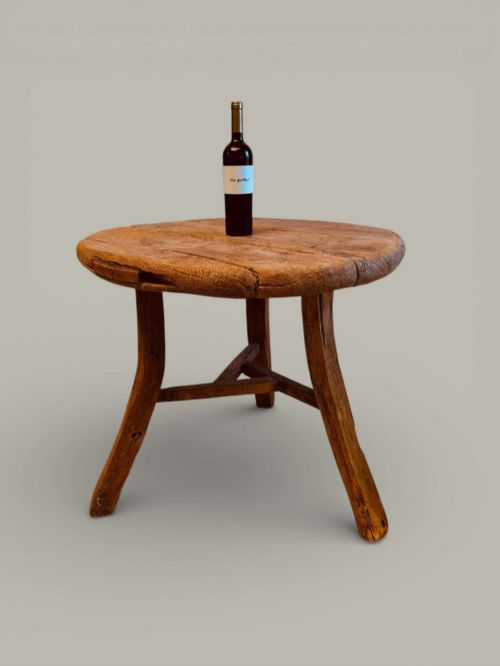
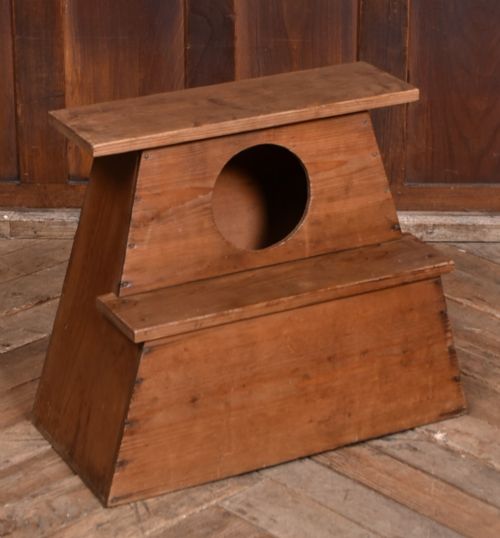
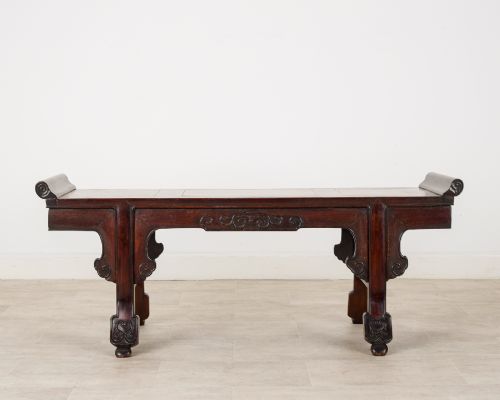
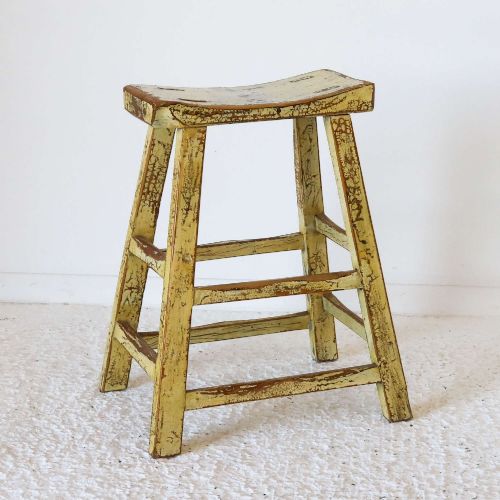
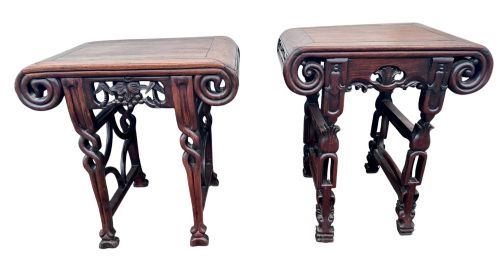
An asian antique stool brings solid timber presence and utility, ranging from provincial elm to carved hongmu forms.
Asian Stool
An asian antique stool encompasses low seating, pedestal plant stands, and occasional tables originating from the nineteenth and early twentieth centuries. When searching for an asian antique stool, buyers encounter diverse regional expressions including Japanese vendor pieces and Chinese provincial examples.
The selection ranges from rustic elm and rootwood items to formal Qing Dynasty hongmu stands inset with marble or porcelain panels. These versatile objects function equally as low seats, window seats, side tables, and plant stands within contemporary interiors.
Materials and construction
Joinery relies on dense hardwoods such as hongmu, huali, teak, and rosewood, alongside native elm and cedar. Artisans often utilised natural lacquers, painted finishes, and ebonisation to surface the timber.
Decorative elements incorporate carved details, rootwood shaping, and flush inlays of mother-of-pearl or deep quartz. Certain forms integrate inset marble or porcelain panels directly into the wooden framework.
Asian Stool Retail Price Guide 2026
Typical asking prices for asian stool among the pieces listed under this phrase on Sellingantiques today, from the lower quarter to the upper quarter. They describe what is for sale here now, not the wider market.
Materials represented across the selection include hardwood, elm, lacquer, marble, timber, hongmu, cedar, and rosewood.
Assessing the craftsmanship
Quality rests upon the density and selection of the timber, distinguishing everyday elm and cedar from heavy, finely grained hongmu and rosewood. Superior examples display precise joinery and crisply articulated carvings that remain tight over generations.
The sophistication of the surface finish separates standard items from exceptional pieces, particularly where original lacquer, mother-of-pearl inlay, or inset marble tops survive intact. Proportion and the integrity of structural frames dictate the overall desirability of each piece.
The Asian Stool Glossary
- Hongmu
- A dense, dark tropical hardwood favoured for formal Chinese furniture and stands. It translates literally to red wood.
- Elm
- A resilient native timber utilised extensively for provincial Chinese and Japanese furniture. It provides strong grain patterns and durable utility.
- Meiji Period
- The era in Japanese history spanning from 1868 to 1912. Pieces from this time often reflect traditional craftsmanship alongside emerging export styles.
- Rootwood
- Timber harvested from the root burls of trees. Artisans shape these organic forms into irregular tables and stands.
Asian Stool: Frequently Asked Questions
How do I use an antique stool at home?
These pieces adapt easily to modern rooms as low side tables, plant stands, or occasional seating. Their compact footprints allow them to fit beside chairs or in narrow hallways.
Heavier hardwood versions support lamps and decorative objects securely. Placing them near windows or seating areas highlights their carved details and timber grains.
What is the difference between a stool and a plant stand?
Stools generally feature flat wooden tops designed primarily for seating or resting feet. Plant stands and pedestals often incorporate elevated platforms or inset marble tops intended for display.
Many forms overlap in function, serving as both seats and occasional tables depending on their height and top surface. Examining the framing helps determine if a piece was built to bear weight.
How do I identify Chinese versus Japanese pieces?
Chinese pieces frequently utilise dense hardwoods like hongmu and feature formal Qing carving or rootwood construction. Japanese examples often display folk art aesthetics, ebonised elm, or vendor associations.
Regional joinery techniques and surface finishes also provide clues to origin. Comparing the decorative motifs clarifies the cultural context of the item.
How should I care for lacquered and hardwood surfaces?
Dust regularly with a dry, soft cloth to protect aged finishes and polished timber. Avoid placing pieces near direct heat sources or strong sunlight to prevent wood splitting.
Applying occasional specialist wax helps maintain the lustre of rosewood and elm. Marble and porcelain panels require simple wiping with a damp cloth.