


Asian Collectibles
These asian antique collectibles bring nineteenth-century craftsmanship into your rooms through carved netsuke, bronze deities, and cloisonné vases.
Asian Collectibles
When you search for asian antique collectibles, you are looking at nineteenth-century portable art objects, household items, and wearable accessories originating from various Asian and Middle Eastern regions. The selection leans heavily toward nineteenth-century pieces, including Victorian and Edwardian items alongside periods such as Meiji and Edo.
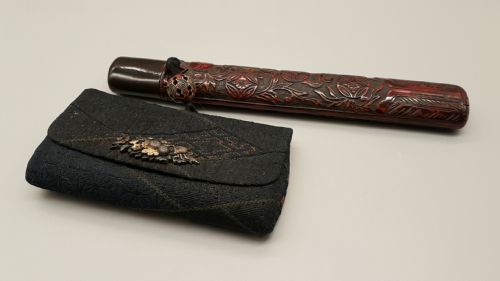
The objects take familiar forms that range from carved wood netsuke and smoking ensembles to miniature vases, snuff bottles, and bronze deities. You will frequently encounter items associated with personal dress, such as pipe case holders and tobacco pouches, alongside decorative sculptures and ritual figures.
Materials and origins shift across the pieces, moving from Chinese cloisonné and hardstone to Japanese wood carvings and Middle Eastern folk art puppets. Each category reflects the specific cultural traditions and decorative techniques of its maker, offering distinct tactile and visual qualities.
How they were made
Makers shaped these objects using traditional techniques such as intricate hand carving in wood, cherry amber, and hard stone, often adding signatures or detailed figural elements. Metals like bronze, brass, and copper appear across figures, pipes, and vessel mounts, sometimes paired with enamel work.
Surface decoration relies on applied enamels in cloisonné pieces, detailed stitching and textile work on silk pouches, and lacquered finishes. Natural materials are worked to expose grain and texture, as seen in cherry amber netsuke and carved wooden figures.
A curled cat carved in cherry amber sits quietly among the wood netsuke.
What varies in quality
Quality reveals itself in the depth and precision of the carving, where signed netsuke and sculpted figures show finer anatomical control and surface detail than simpler work. The clarity of the enamel work in cloisonné pieces and the refinement of metal mounts also separate standard examples from finer ones.
The choice of material dictates the tier of the piece, with select hard stones, cherry amber, and well-preserved silk textiles commanding greater attention. Integrity of form and the survival of original stoppers, ojime, or associated components maintain the overall coherence of the object.
The Asian Collectibles Glossary
- Netsuke
- A small carved toggle traditionally used in Japanese dress to secure a pouch or small container to a kimono sash. These pieces often depict animals, figures, or mythical subjects and frequently feature artist signatures.
- Cloisonné
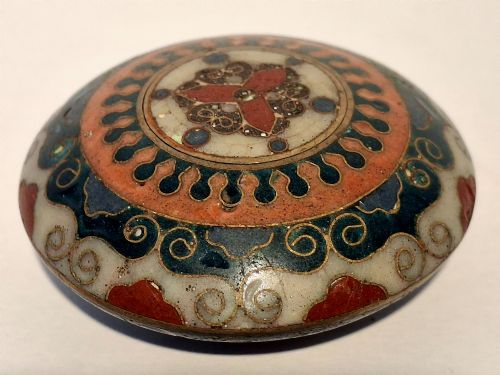
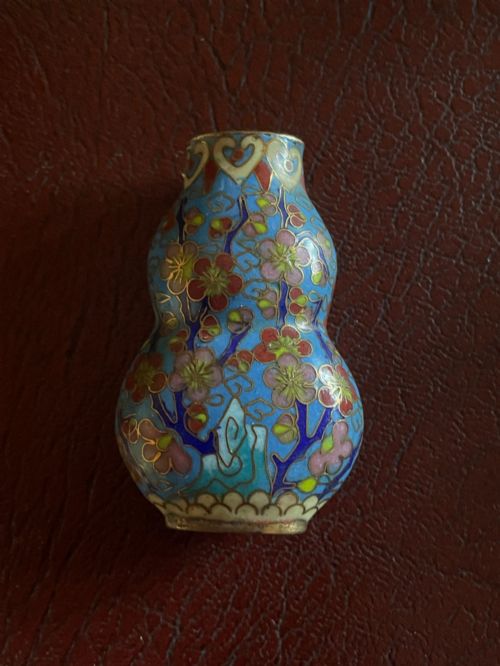
- A metalwork technique where thin wires are soldered to a metal base to form compartments, which are then filled with enamel paste and fired. Miniature vases demonstrate this method through intricate coloured patterns.
- Snuff Bottle
- A small container designed to hold powdered tobacco, typically fitted with a matched stopper made from gilt metal or hard stone. These portable vessels display careful carving and material selection.
- Ojime
- A small decorative bead threaded on the cord between a tobacco pouch and a netsuke, serving to slide and adjust the opening. They match the materials and craftsmanship of the associated ensemble.
- Avalokiteshvara
- A revered bodhisattva in Buddhist tradition, represented in bronze deity figures and icons from the period. These sculptural pieces capture devotional iconography.
Asian Collectibles: Frequently Asked Questions
What are netsuke used for?
Netsuke functioned as practical toggles in traditional Japanese dress, securing suspended pouches and containers to the sash.
Over time, they evolved into highly detailed miniature sculptures carved from wood, ivory, or amber, prized for their artistic execution.
How do I identify a Meiji period piece?
Meiji period items originate from late nineteenth-century Japan, a time when metalwork, ceramics, and carved accessories flourished for both domestic use and export.
Look for signature motifs, high technical skill in materials like silk and bronze, and distinct stylistic markers from this era.
What is Chinese cloisonne?
Chinese cloisonne involves soldering thin wire onto a metal base to create partitioned designs that are subsequently filled with enamel.
Miniature vases and vessels created with this technique display colourful, patterned surfaces that have survived from the nineteenth century.
How should I display small collectibles?
Small objects like snuff bottles, netsuke, and miniature vases benefit from stable placement where their carved details and materials can be closely examined.
Keeping them away from direct sunlight protects delicate textiles such as silk tobacco pouches and preserves the surface of lacquered or wooden pieces.