








Asian Accent Lamp
These pieces sold as an asian accent lamp bring characterful form and illumination to a room.
Asian Accent Lamp
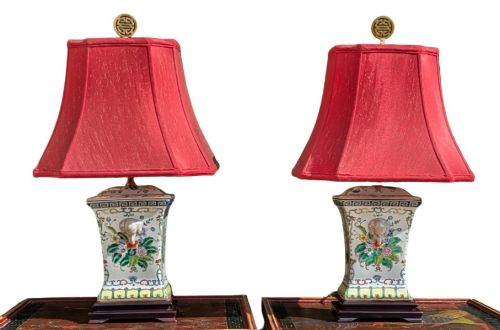
When you search for an asian accent lamp, you encounter items transformed from earlier vessels and objects, alongside dedicated lighting from the nineteenth and early twentieth centuries. These pieces incorporate porcelain elephants, Satsuma ceramics, and cloisonné vases mounted as table lamps.
The selection also includes bronze table lamps and works featuring Champleve Japanese bronze, alongside carved wood elements. You meet lamps originating from periods spanning the Victorian era through to nineteen thirty.
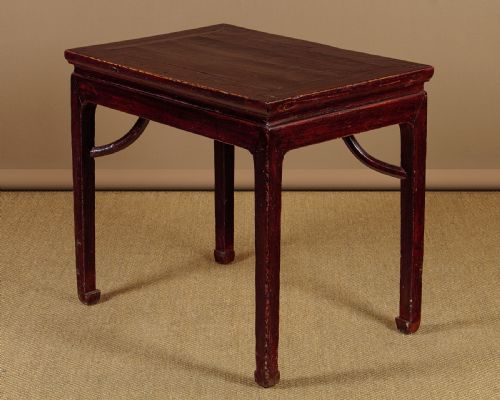
Alongside actual lighting, the category encompasses tables utilised to hold lamps, such as side tables, occasional tables, and lamp tables constructed from hardwood, elm, and root wood.
How they were made
Maker construction relies heavily on hardwoods, elm, rosewood, and root wood, often shaped into square occasional tables, nests of tables, and side chairs. Artisans employed hand carving, bone inlay, and red lacquer finishes to decorate wooden surfaces.
Lighting components utilise materials such as brass, bronze, and fabric, combining metalwork with ceramics. Porcelain, Satsuma ware, and cloisonne enamels form the bodies of the lamp bases, paired with silk shades.
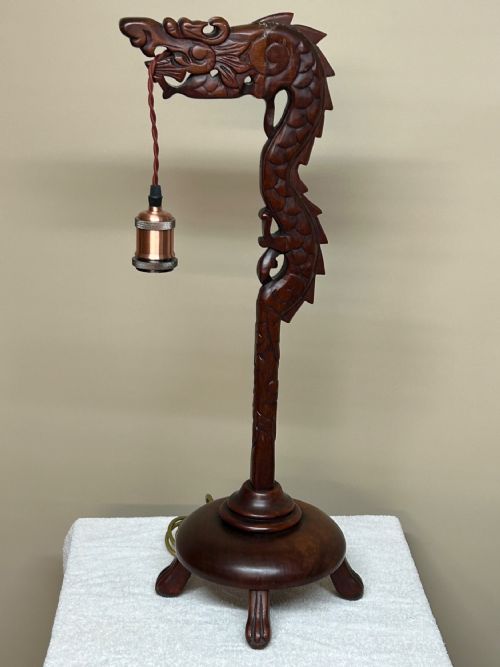
Techniques range from elaborate surface carving depicting dragons to smooth ebonising and detailed cloisonne wirework on bronze foundations.
Asian Accent Lamp Retail Price Guide 2026
Typical asking prices for asian accent lamp among the pieces listed under this phrase on Sellingantiques today, from the lower quarter to the upper quarter. They describe what is for sale here now, not the wider market.
One late nineteenth century piece uses gnarled root wood to hold a light, proving nature makes the best lampshades.
What varies in quality
Quality reveals itself in the crispness of hand carving on hardwood frames and the intricacy of bone inlay on surfaces. Superior examples display balanced proportions and refined detail in dragon motifs or floral arrangements.
In ceramic and metal lamp bodies, execution of Satsuma painting or cloisonne enamelling determines the standard. The integration of original vases and bronzes into functional lighting fixtures dictates the overall coherence of the piece.
The Asian Accent Lamp Glossary
- Cloisonné
- Enamelware created by soldering thin metal wires to a metal base to form compartments filled with paste and fired. This technique produces vibrant patterned surfaces seen on vase lamps.
- Satsuma
- Japanese earthenware featuring a crackled creamy glaze decorated with polychrome enamels and gilt. These ceramic vessels frequently serve as the bodies for decorative table lamps.
- Champlevé
- Enamelling method where troughs are gouged out of a metal surface to hold enamel paste, leaving metal lines between areas of colour. It appears on bronze lamp bases.
- Chinoiserie
- European stylistic interpretation of Chinese and East Asian artistic traditions, expressed through red lacquer furniture and decorative motifs. This style heavily influences side tables in the selection.
- Root wood
- Timber formed from the root mass of a tree, displaying gnarled natural contours utilised for rustic lamp bases and stands. It provides organic texture to interior spaces.
Asian Accent Lamp: Frequently Asked Questions
What is an asian accent lamp?
An asian accent lamp is typically a converted antique vase or bronze vessel, or a lighting fixture produced during the nineteenth or early twentieth century. These pieces incorporate distinct regional motifs and materials to provide functional illumination.
They bring historical character and texture to interior schemes, serving as focal points on side tables or desks.
How are antique lamp tables used?
Antique lamp tables provide a stable surface for holding lighting fixtures, drinks, or decorative objects. Forms include square occasional tables, two-tier lamp tables, and nests of coffee tables.
Placed beside seating or in corners, they offer practical utility while introducing hardwood and lacquer finishes to a room.
How do you date nineteenth century items?
Dating relies on material analysis, construction methods, and stylistic markers associated with periods like the Meiji era or Qing Dynasty. Wood types such as elm and rosewood, alongside specific carving depths, assist in establishing age.
Documentation and traditional joinery techniques further confirm the era of manufacture.
How do you care for lacquered wood?
Lacquered wood surfaces require gentle cleaning with a soft, dry cloth to remove dust without scratching the finish. Avoid placing these items in direct sunlight or areas with extreme humidity fluctuations.
Regular polishing is unnecessary and can damage delicate antique surfaces over time.