

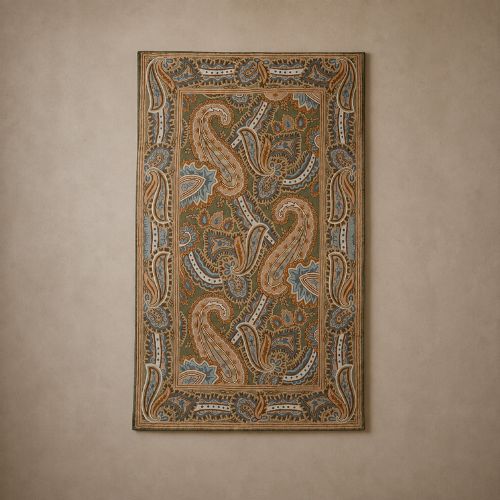

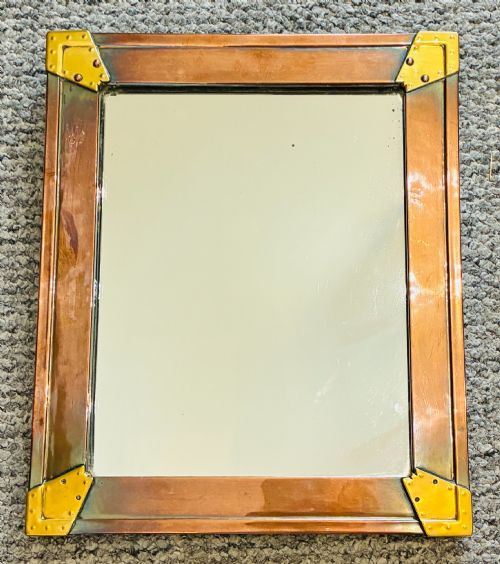
Arts Crafts Wall Art
Selecting arts crafts wall art brings domestic handcraft, metalwork and timber into everyday rooms through mirrors, cabinets and light fittings.
Arts Crafts Wall Art
Arts crafts wall art encompasses functional domestic objects designed to ornament interior vertical surfaces with honest construction and natural motifs. Buyers searching for these items encounter a wide array of domestic furnishings originating primarily from the late nineteenth and early twentieth centuries.
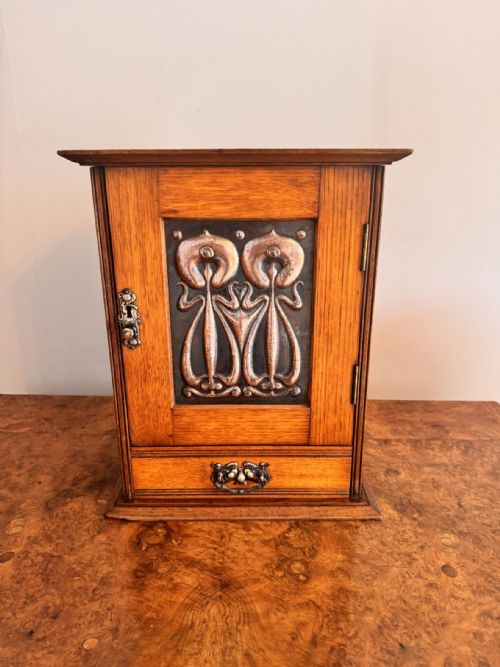
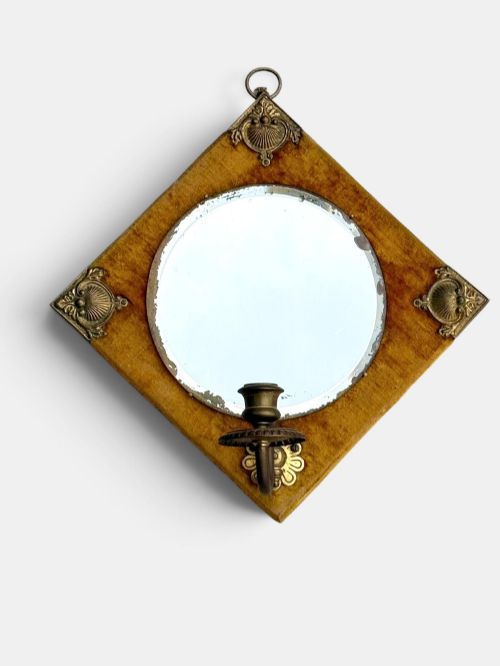
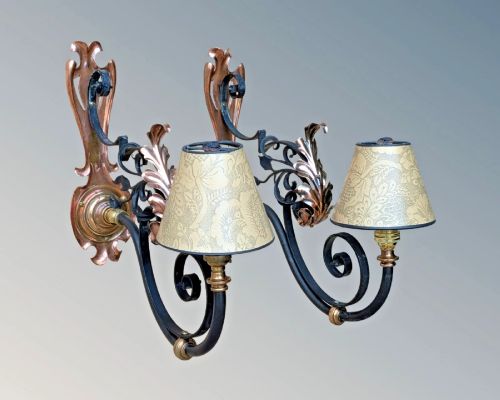
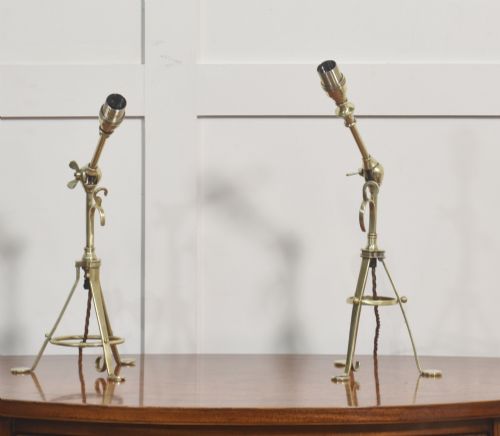
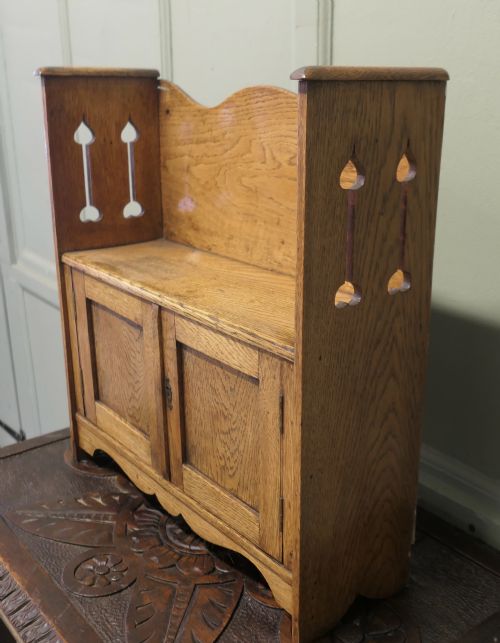
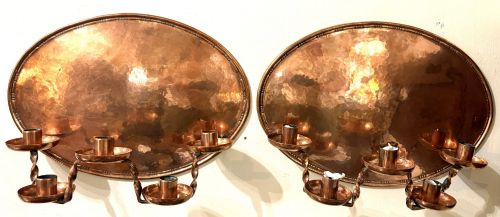
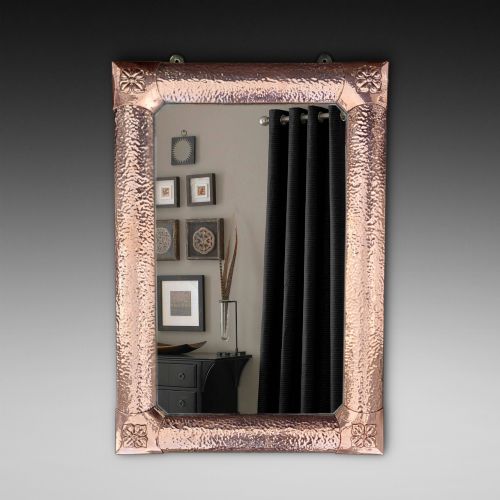
Mirrors framed in beaten metal, carved oak wall cabinets, and brass or copper lighting fixtures dominate the selection. These pieces reflect a deliberate shift away from mass-produced Victorian ornateness towards simpler forms that showcased the hand of the maker.
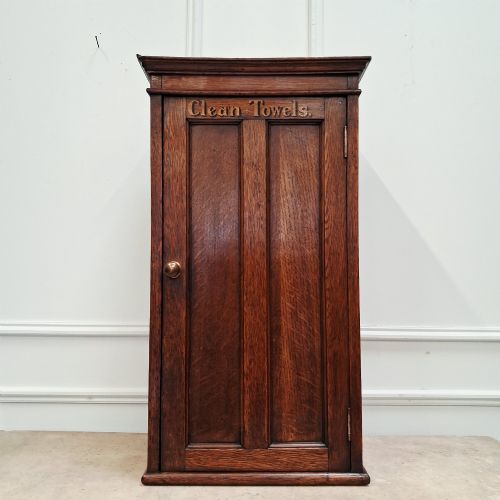
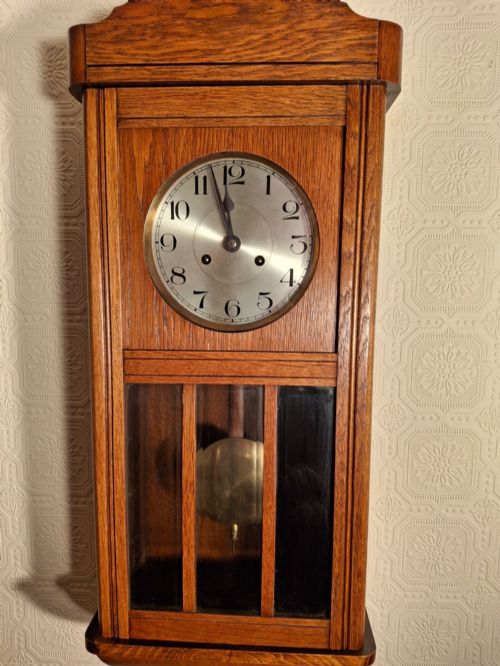
The surviving inventory spans modest wooden wall shelves and tile plaques to substantial clocks and glazed display cabinets. Each type served a practical purpose while contributing to the aesthetic harmony of domestic interiors during the Edwardian period and adjacent decades.
How they were made
Makers relied heavily on solid oak, walnut and other timbers, frequently shaping them through carving or exposing pegged joints rather than concealing construction methods. Metalwork formed another cornerstone of the movement, utilising copper, brass and pewter shaped by hand rather than stamped by heavy machinery.
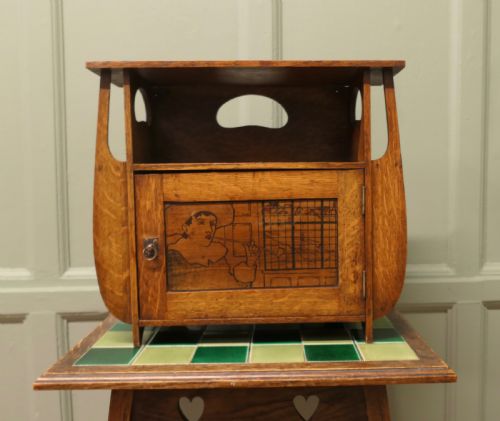
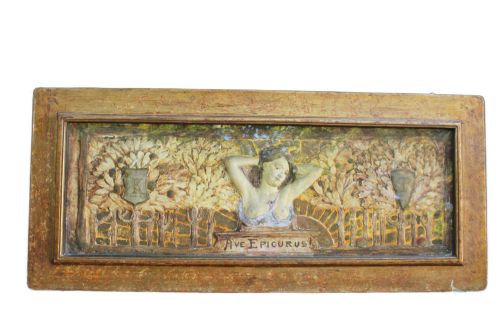
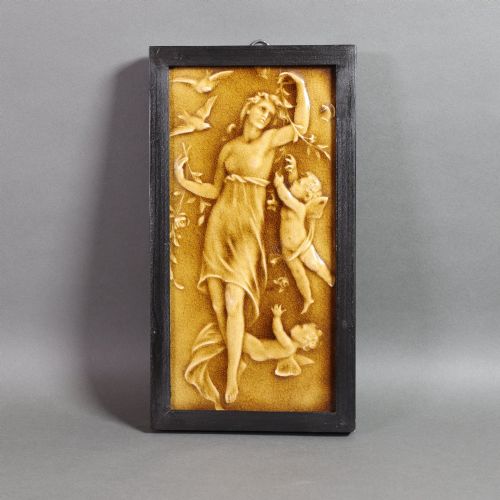
Surface decoration often involved repoussé work where metal sheets were hammered from the reverse to create raised designs of trees, stylized foliage and Celtic knots. Ceramic tiles, polychrome plaster reliefs and embroidered textile panels also provided colour and texture within wooden frames.
Cabinetmakers and metalworkers combined these media with traditional joinery techniques like mortise and tenon. The resulting objects prioritized durability and visible craftsmanship over veneered surfaces or superfluous ornamentation.
Listings feature items spanning the Victorian, Edwardian and early twentieth century periods, utilising oak, copper, brass and ceramic.
What varies in quality
The calibre of arts crafts wall art rests upon the depth of hand-manipulation and the integrity of the materials chosen. Pieces displaying deep, crisp repoussé hammering on substantial copper gauges stand well apart from thinner, flatter sheets that lack tactile dimension.
Timber selection and joinery detail dictate the value in wooden wall cabinets and shelves, with figured oak and hand-carved panels demonstrating superior workshop execution. Signed pieces bearing the marks of recognised metalworkers or retailers indicate higher tiers of production.
The sophistication of the design, whether in the balanced proportions of a mirror frame or the refined lettering on a ceramic plaque, determines the overall success of the piece.
W.A.S. Benson·Arthur Simpson of Kendal·Liberty and Company·Sherwin and Cotton·Hugh Wallis·John Moyr Smith·Gustav Becker
The Arts Crafts Wall Art Glossary
- Repoussé
- A metalworking technique where the artisan hammers a design from the reverse side to form a raised relief on the front. This process creates tactile surface patterns on copper mirror frames and wall sconces.
- Tile plaque
- A decorative ceramic insert mounted within a wooden or metal frame, often depicting figurative subjects or floral motifs. These frequently utilise glazed earthenware produced by regional potteries.
- Wall pocket
- A hanging receptacle designed to hold letters, documents or dried flowers against a vertical surface. They commonly appear in hammered copper or glazed ceramic formats.
- Aesthetic Movement
- A late nineteenth-century design ethos emphasising visual beauty over narrative or moral themes. It heavily influenced the subsequent development of arts and crafts furnishings.
- Pokerwork
- The art of burning designs into wood using a heated tool, also known as pyrography. This technique decorated various wall-mounted cupboards and wooden panels.
Arts Crafts Wall Art: Frequently Asked Questions
Were these copper mirrors originally polished bright?
Many copper frames were finished with a dark patina or chemical treatment to accentuate the hammered details rather than kept bright. Over-polishing historical metalwork can strip away this intended surface character.
Gentle dusting with a soft cloth preserves the natural ageing process of the metal. Waxes are occasionally applied to stabilise active oxidation without altering the underlying colour.
How do I identify a genuine arts and crafts cabinet?
Authentic cabinets typically feature solid timber construction with visible joinery such as dovetails or pegged tenons. Hardware is usually wrought iron, brass or copper with hand-beaten surfaces rather than stamped steel.
Interior layouts prioritize utility, often including small compartments or copper hinges. Maker stamps or retailer signatures may appear on the reverse or inside the door.
Can antique wall lights be wired for modern use?
Original wall lights and sconces can generally be adapted by a qualified electrician to meet current wiring standards. Rewiring preserves the historical aesthetic while ensuring safe operation in contemporary homes.
Care is taken to retain existing lamp holders or brass fittings where structural integrity allows. This approach allows functional integration of period lighting without compromising historical value.