

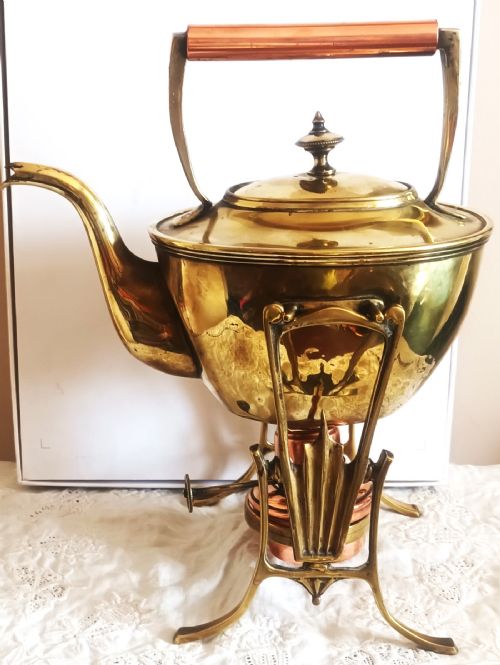
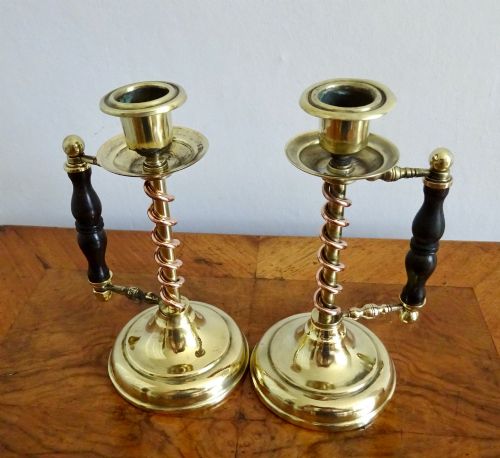


Arts Crafts Copper Stand
These functional household pieces combine hammered metalwork with utilitarian frames to hold sticks, umbrellas and fuel beside domestic hearths.
Arts Crafts Copper Stand
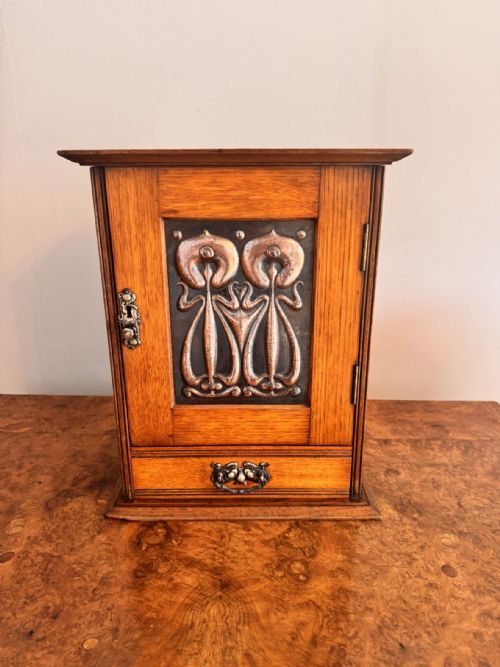
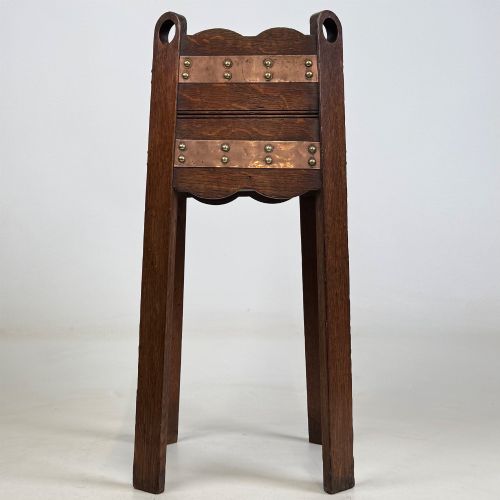
When you search for an arts and crafts copper stand, you encounter heavy utilitarian hall furnishings designed around the turn of the twentieth century. These items include umbrella and stick stands, coal bins, log boxes, and plant holders intended for practical domestic use.
The objects most frequently met on this page combine sheet copper with structural frames of wrought iron or oak. Many incorporate brass accents or removable drip trays designed to catch rainwater from wet walking sticks and umbrellas.
Originating primarily from the late nineteenth and early Edwardian periods, these stands display the honest construction and functional ethos championed by reformist designers of the era. They bridge the gap between heavy Victorian hall furniture and lighter twentieth-century interiors.
Materials and construction
Makers shaped sheet copper by hand, using hammers to raise vessels and panels from flat metal blanks while leaving visible tool marks across the surface. This beaten texture catches ambient light and displays individual craftsmanship rather than machine uniformity.
Structural strength comes from rigid internal or external frameworks built from wrought iron, cast iron, or seasoned oak. Rivets, bolts, and forged joints hold these mixed-material pieces together without relying on hidden adhesives or modern fasteners.
Arts Crafts Copper Stand Retail Price Guide 2026
Typical asking prices for arts crafts copper stand among the pieces listed under this phrase on Sellingantiques today, from the lower quarter to the upper quarter. They describe what is for sale here now, not the wider market.
Listings feature umbrella stands, log bins, and plant holders spanning the Victorian, Edwardian, and Amsterdam School periods.
Quality and craftsmanship
Superior examples display deliberate weight in the metal gauge and careful attention to structural joints, ensuring the frame supports heavy loads of damp walking sticks or solid fuel without flexing. Lesser pieces rely on thin, pressed sheet metal stretched over flimsy internal armatures.
Design integrity separates standard workshop production from exceptional studio output, visible in the harmony between the warm tones of the copper and the grain of the oak or the forged lines of the ironwork. Maker attribution and disciplined surface patination elevate individual pieces above anonymous utilitarian items.
William Soutter & Sons·W A S Benson·Benham and Froud·Shapland & Petter
The Arts Crafts Copper Stand Glossary
- Pricket
- A sharp metal spike set in the centre of a candlestick or altar piece designed to impound the base of a candle. These heavy copper examples often reflect ecclesiastical or Amsterdam School design influences.
- Jardiniere
- An ornamental pot or stand intended to hold growing plants or flowers. In this category, beaten copper bowls are frequently mounted on iron or wooden tripod bases.
- Drip tray
- A removable metal basin fitted into the base of a stick stand to catch moisture from wet umbrellas. Original trays made of matching copper indicate a complete and well-preserved piece.
- Repoussé
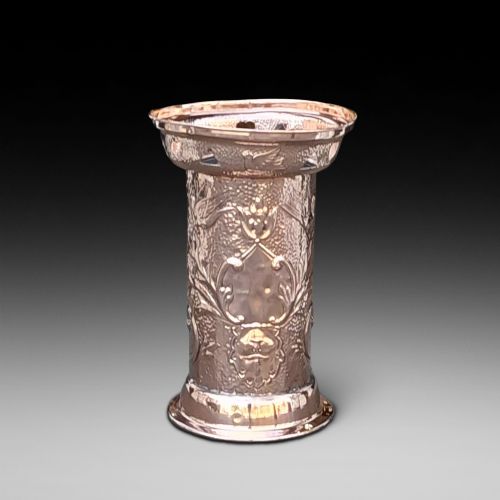
- A metalworking technique where the artisan hammers the design from the reverse side to form a raised pattern in relief. This surface decoration distinguishes hand-wrought panels from plain rolled sheet metal.
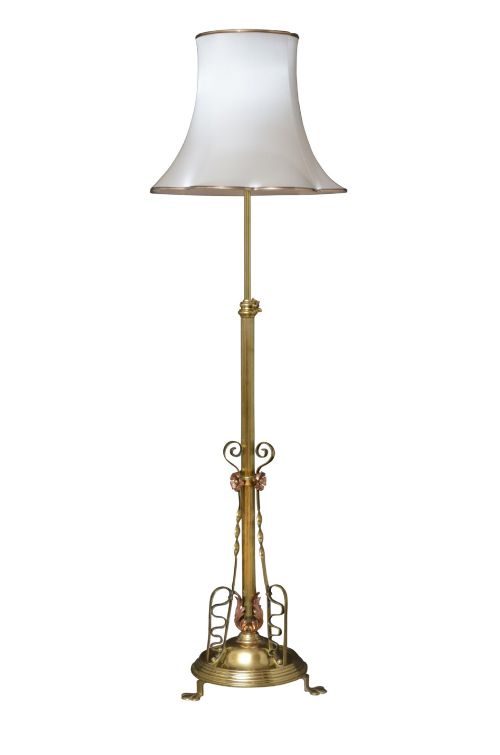
- Standard lamp
- A tall floor-standing lighting fixture made of metal or wood, often adjustable in height. These pieces utilise heavy weighted bases to support oil reservoirs or electrical fittings.
Arts Crafts Copper Stand: Frequently Asked Questions
What are arts and crafts copper stands made from?
These items combine sheet copper bodies with supporting frames constructed from wrought iron, cast iron, or solid oak. Brass fittings and riveted joints appear frequently across the construction.
Interior components often include removable metal trays designed to collect water from wet umbrellas and walking sticks without damaging the structural frame.
Where were these copper stands used in the home?
They were placed primarily in entrance halls and vestibules to receive wet umbrellas, walking sticks, and heavy coats as people entered the house. Other variations sat beside fireplaces to hold coal, logs, or spirit kettles.
Plant stands and jardiniere holders found placement in parlours and drawing rooms to display indoor flora against natural wood and metal surfaces.
How do I care for antique copper?
Maintain the metal by dusting it gently with a dry cloth and avoiding harsh chemical cleaners that strip away the aged surface appearance. Preserving the natural tone protects the historical character of the hand-beaten finish.
Keep wooden frames conditioned and ensure iron elements remain dry to prevent corrosion around the joints of the copper panels.
How can I tell the period of a copper stand?
Examine the construction methods, fastener types, and surface decoration to determine the manufacturing era. Hand-forged ironwork and beaten repoussé copper panels typically point toward late nineteenth and early twentieth-century production.
Stylistic cues range from heavy Victorian proportions to lighter Edwardian interpretations and distinct Amsterdam School or Art Nouveau motifs.