

Arts Crafts Buffet Cabinet
An arts crafts buffet cabinet brings solid oak and honest construction into a dining room or hall.
Arts Crafts Buffet Cabinet
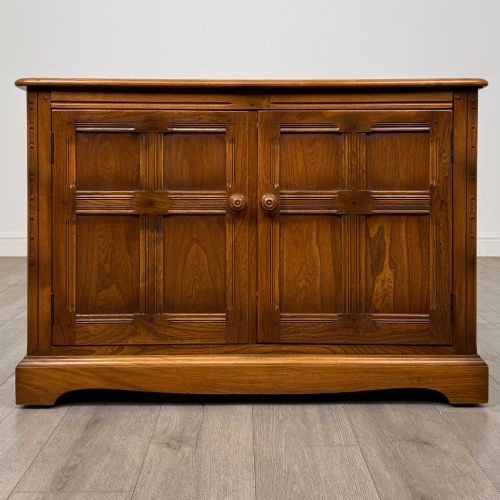
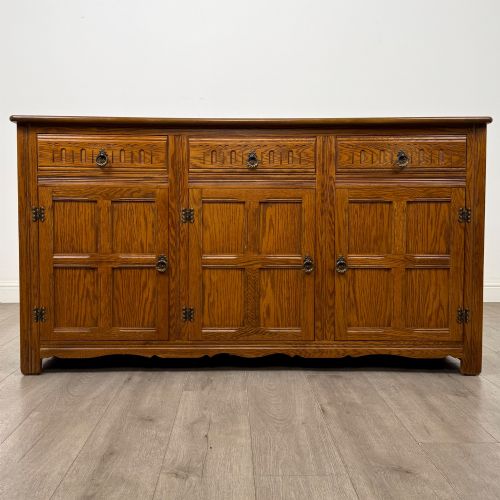
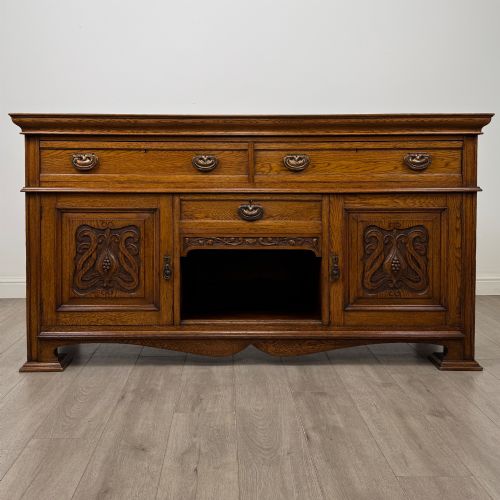
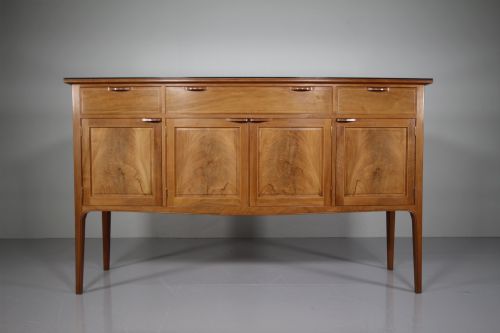
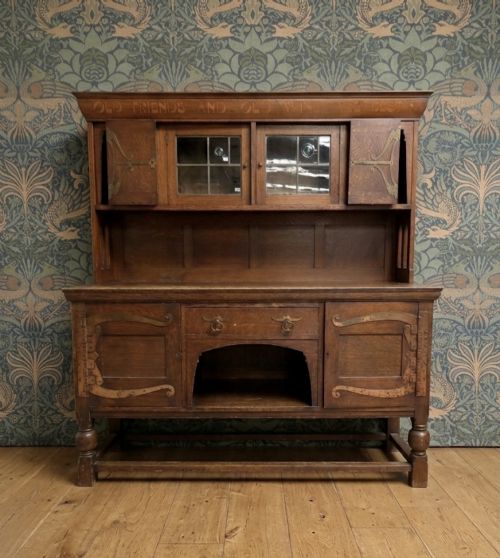
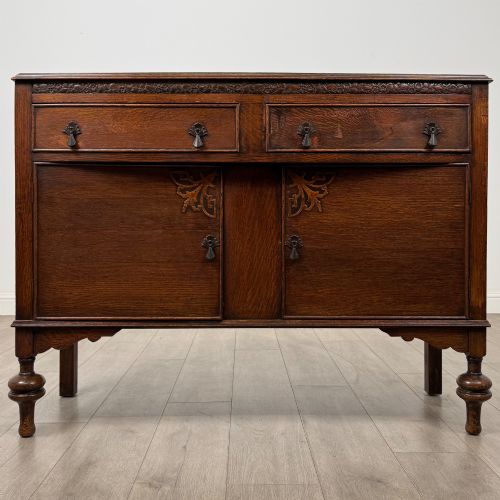
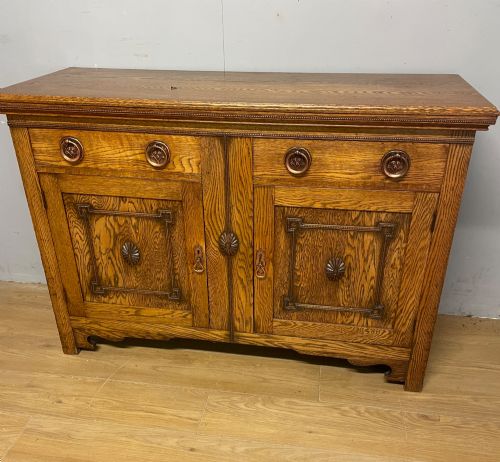
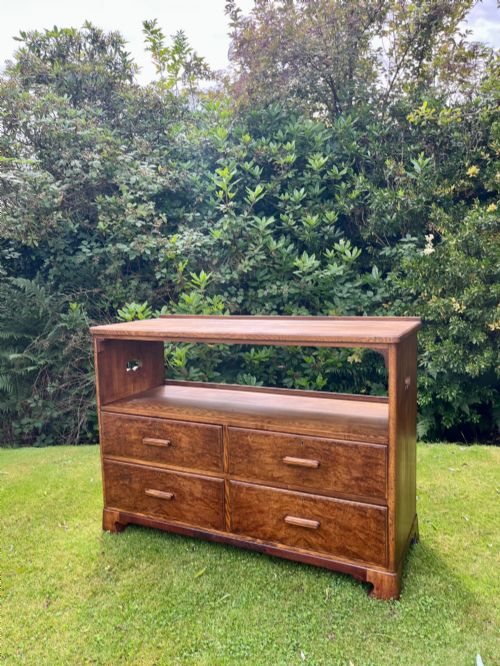
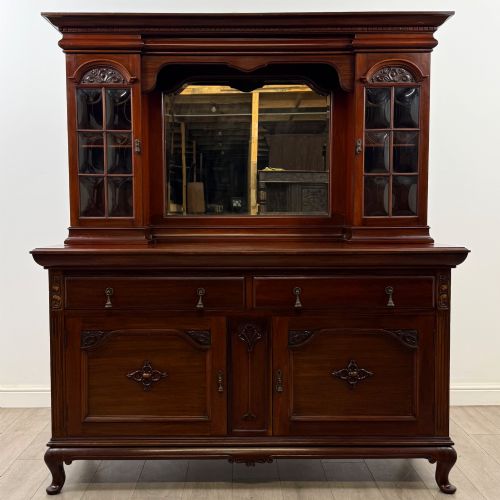
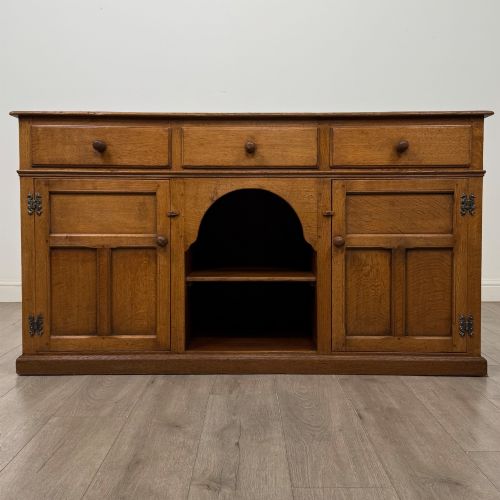
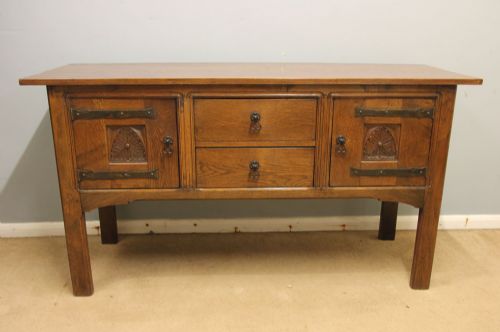
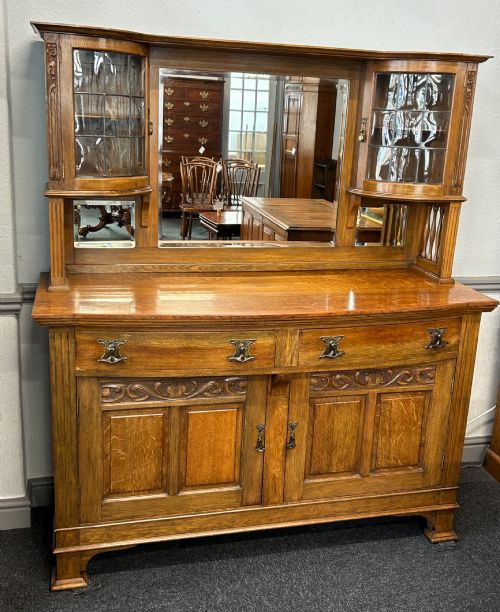
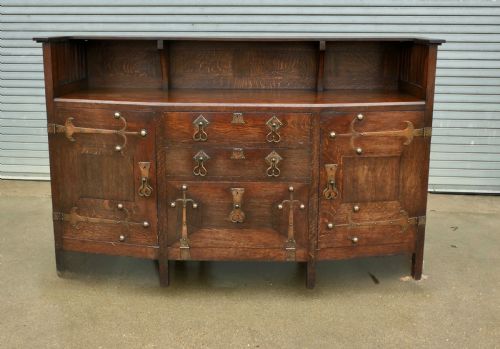
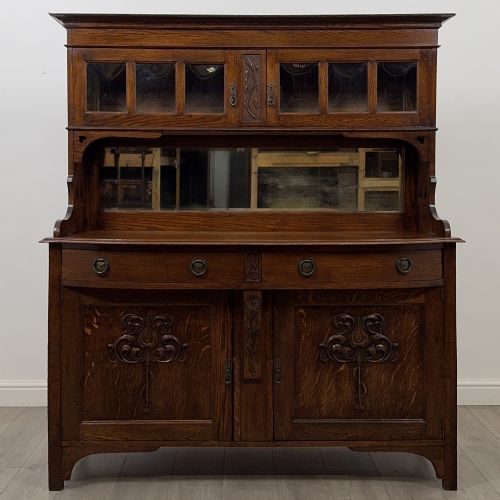
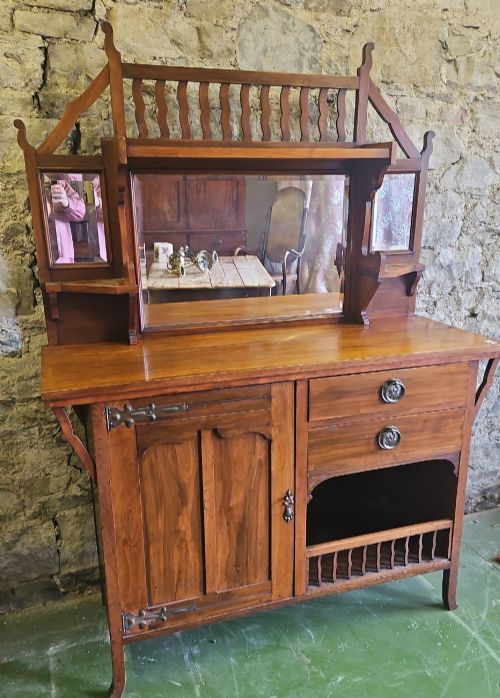
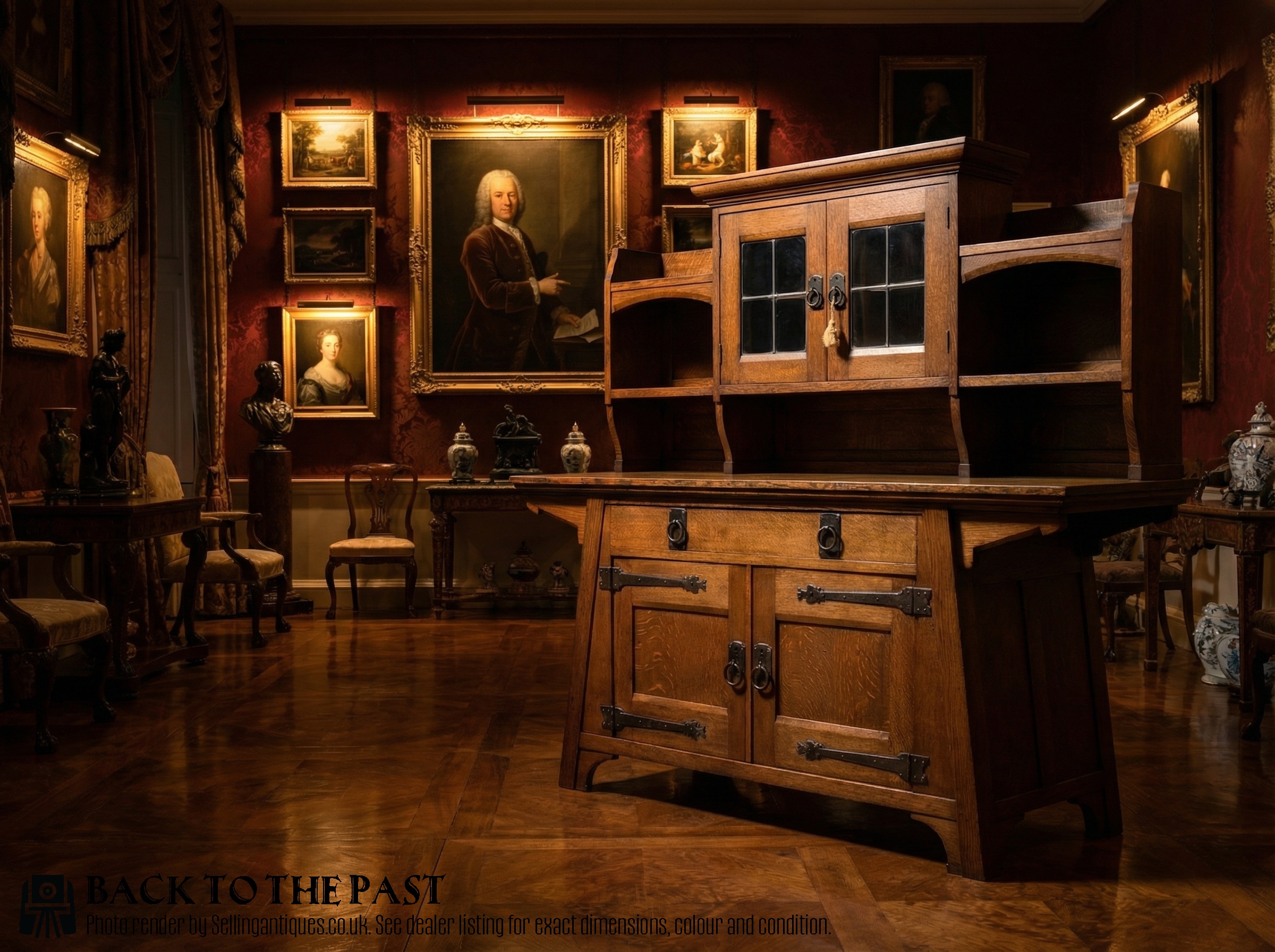
An arts crafts buffet cabinet appears in forms such as sideboards, dressers, and side cabinets originating from the Victorian, Edwardian, and twentieth-century periods. These pieces serve practical storage needs while displaying the simple lines characteristic of the movement.
Golden oak and pale walnut predominate among the surviving examples, often paired with practical surfaces for serving food or displaying ceramics. Buyers frequently encounter sideboards with cupboards and drawers designed for dining rooms.
Regional variations span English country workshops, the Cotswold School, and continental makers following similar design principles. Each piece reflects the utility and aesthetic of its specific workshop origin.
Materials and Construction Methods
Makers utilised solid oak, mahogany, elm, and pine, selecting timber for strength and prominent grain patterns. Construction relies on traditional joinery techniques that emphasise structural honesty over applied ornament.
Metal hardware in brass, copper, and iron provides functional hinges and drawer pulls, frequently left with a patinated finish. Leaded glass and mirrored panels appear in doors and backsplashes to catch light within the room.
Some cabinets hide little spice drawers behind their heavy oak doors, ready for forgotten culinary secrets.
Distinctions in Quality and Execution
Quality rests on the selection of timber and the precision of the joinery, distinguishing standard production from workshop-specific commissions. Pieces carrying stamps or attributions to known designers reflect higher standards of planning and execution.
The integration of hand-beaten metalwork, leaded glass panels, and carved details separates exceptional items from simpler commercial iterations.
Edward Barnsley·Heal and Son·Whytock and Reid·Leonard Wyburd·Shapland and Petter·Liberty and Company·T Simpson and Son·Gillow and Co
The Arts Crafts Buffet Cabinet Glossary
- Sideboard
- A large piece of furniture placed in a dining room for serving food and storing tableware. These items often incorporate cabinets, drawers, and sometimes mirrorbacks.
- Dresser
- A storage unit combining shelving or cupboards above a lower base of drawers and doors. They serve to display ceramics and hold dining essentials.
- Leaded Glass
- Small panes of glass held together by strips of lead to form geometric or stylized patterns in cabinet doors. This technique allows light into the cupboard while obscuring the contents.
- Golden Oak
- A light, warm-toned oak timber finish favoured during the Edwardian period. It highlights the natural grain of the wood.
Arts Crafts Buffet Cabinet: Frequently Asked Questions
What is an arts crafts buffet cabinet?
An arts crafts buffet cabinet is a storage piece designed for dining rooms, combining practical cupboards and drawers with the simple, honest aesthetics of the movement.
These items are built primarily from oak and emphasise craftsmanship and utility over excessive decoration.
How do I date an arts crafts buffet cabinet?
Dating relies on observing construction methods, timber types, and stylistic indicators associated with the Victorian and Edwardian periods.
Makers' stamps, hardware styles, and workshop labels also help establish the exact period of manufacture.
How should I care for an oak buffet cabinet?
Maintenance involves keeping the timber away from direct heat sources and sudden humidity changes to prevent splitting.
Regular application of suitable wax helps preserve the finish and protects the natural grain of the wood.
Where were these cabinets made?
Production took place across English workshops, London retail houses, and continental design schools.
Regional cabinet makers and large firms alike contributed to the variety of sideboards and dressers available today.