




Arts Crafts Bedroom Drawers
These arts crafts bedroom drawers bring sturdy oak, satinwood, and honest craftsmanship directly into modern sleeping spaces.
Arts Crafts Bedroom Drawers
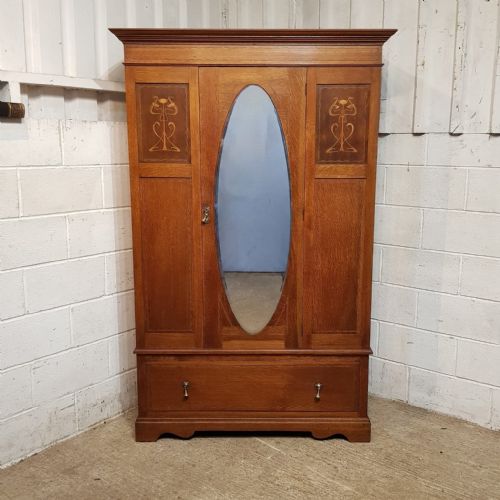
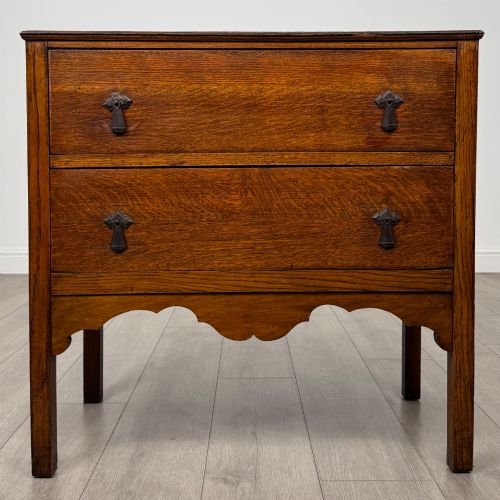
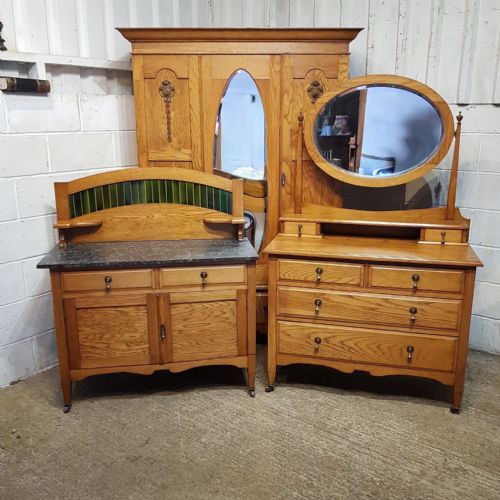
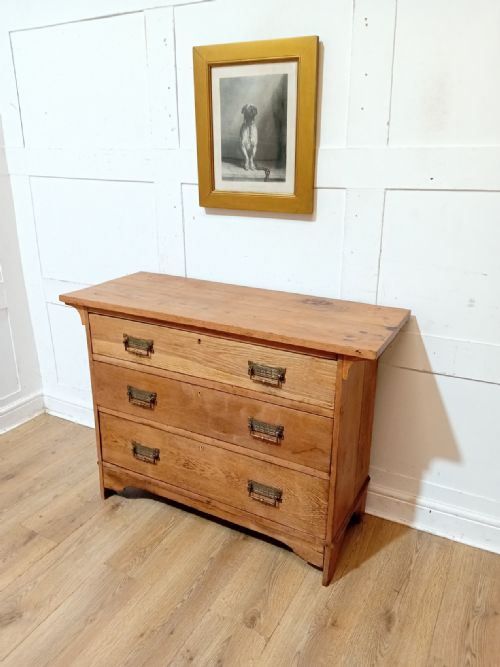
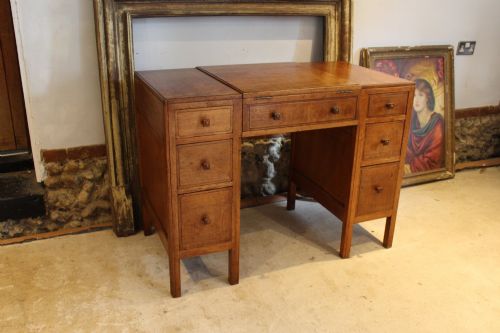
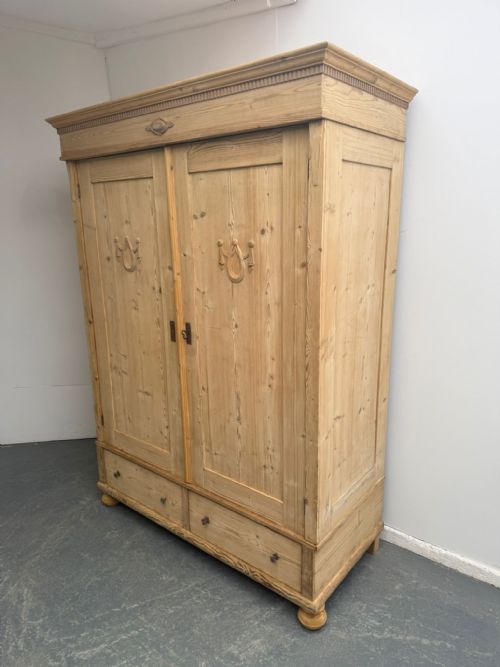
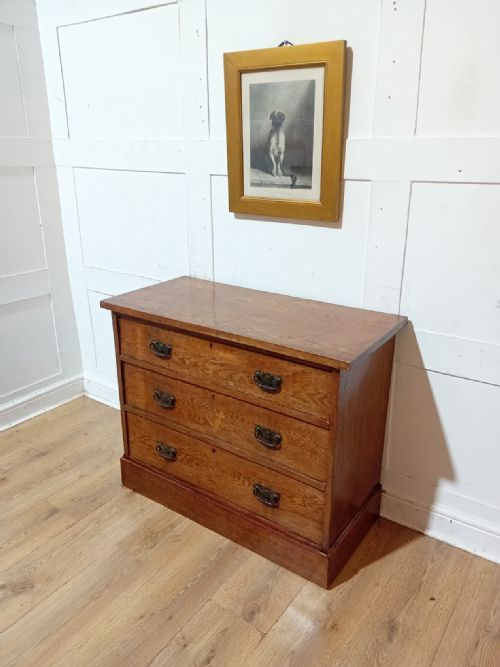
When you search for arts crafts bedroom drawers, you encounter utilitarian storage pieces designed during the late nineteenth and early twentieth centuries. The form most commonly met across these listings is the chest of drawers, alongside matching dressing chests and complete bedroom suites.
These items originate from periods spanning the Victorian era, the Edwardian years, and into the early twentieth century. Workshops utilised robust timbers like oak, ash, pine, and satinwood to construct furniture intended for everyday domestic utility.
Construction and Materials
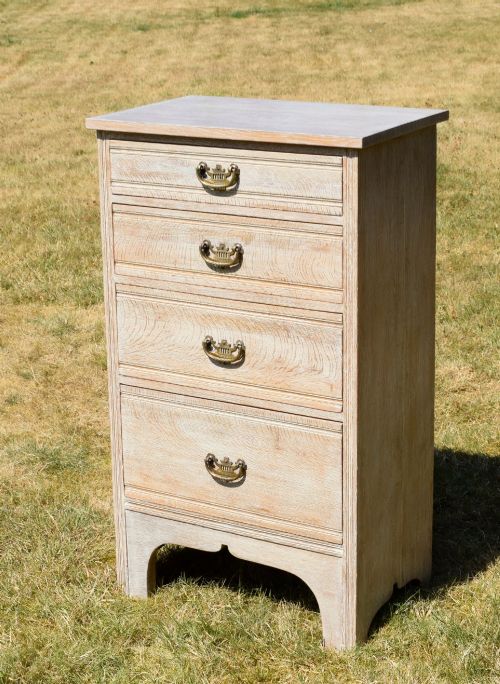
Carpenters relied principally on solid oak, pine, ash, and satinwood, frequently finished with wax or left with a limed surface. Drawer construction employed traditional dovetail joints to ensure durability under daily use.
Metalwork played a defining role, featuring brass, copper, and iron handles, hinges, and plates. These metal mounts often displayed hammered textures or characteristic strapwork that highlighted the hand-finished nature of the furniture.
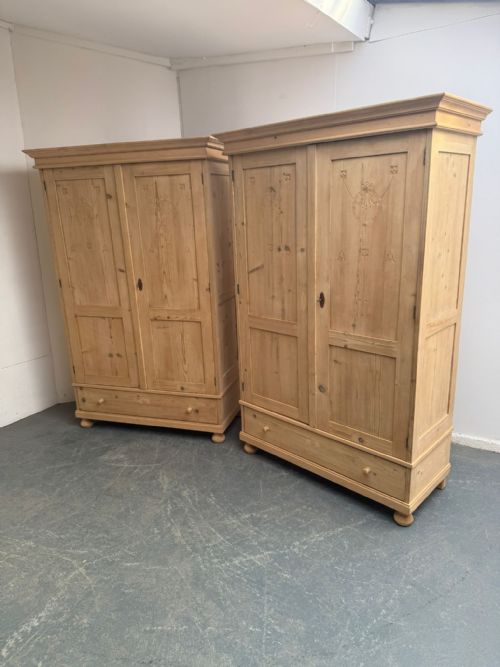
Some wardrobes arrived as knockdown furniture, letting Victorians assemble their massive oak cupboards after delivery.
Evaluating the Pieces
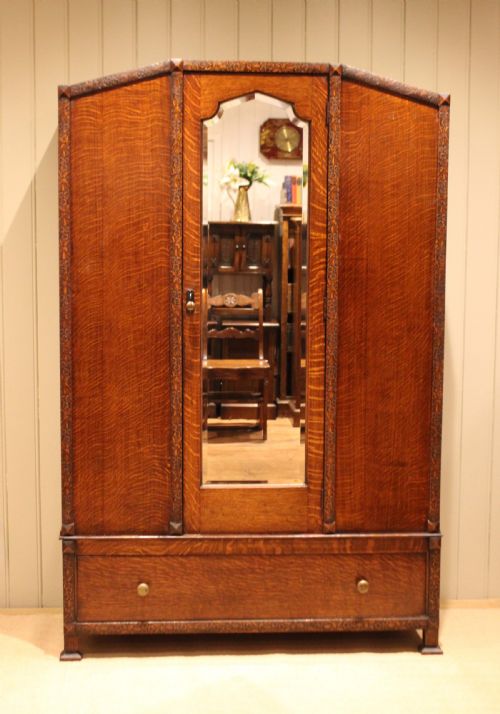
Quality rests upon the selection of solid timber and the integrity of the cabinetmaker's joinery rather than heavy ornamentation. Superior examples display carefully chosen grain patterns in the oak or satinwood and retain their original brass or copper hardware.
The distinction between standard workshop production and finer items lies in the crispness of the hand-planed surfaces and the retention of maker signatures or labels. Pieces bearing documented workshop attributions or specific maker stamps command greater interest from collectors.
Harris Lebus·Heal And Sons·Shapland And Petter·Wright And Hunter·George Walton
The Arts Crafts Bedroom Drawers Glossary
- Dovetail
- A joint formed by interlocking wedge-shaped fingers, commonly found at the corners of drawers. This technique provides strong tensile resistance against pulling forces.
- Limed oak
- A wood treatment that fills the grain with a whitish paste to lighten the timber's appearance. Makers applied this finish to modernise oak furniture during the early twentieth century.
- Knockdown
- A piece of furniture designed to be easily disassembled and reassembled using bolts or wedges. This method facilitated transport for large wardrobes before modern delivery vans.
- Satinwood
- A durable hardwood noted for its pale, golden sheen and fine texture. Cabinetmakers utilised it for polished chests and dressing tables.
Arts Crafts Bedroom Drawers: Frequently Asked Questions
How do I date these drawers?
Dating relies upon construction methods, timber choices, and stylistic cues recorded across the Victorian and Edwardian periods. Pieces from the late nineteenth century often display darker finishes and heavier brass hardware, while later examples shift toward limed oak surfaces.
Makers' stamps, trade labels, and registration marks provide definitive chronological markers. Comparing these details against documented workshop output clarifies the decade of manufacture.
Are these drawers solid wood?
The listings demonstrate that these items rely on solid timber construction using oak, ash, pine, and satinwood. Cabinetmakers built these pieces to withstand decades of daily use without relying on modern veneers.
Surfaces are typically finished with wax or left untreated to showcase the natural grain of the wood. Inspecting the drawer interiors reveals the solid construction methods typical of the period.
How do I care for wax finishes?
Maintaining a waxed surface requires occasional applications of traditional beeswax to nourish the timber and protect against moisture. Avoid placing these chests near direct heat sources that might dry out the wood.
Gentle dusting with a soft cloth preserves the natural lustre of the oak or satinwood. Chemical polishes should be avoided as they break down historic wax coatings over time.
What styles accompany this furniture?
These storage pieces align primarily with the Arts and Crafts movement, which valued honest construction and visible craftsmanship. Occasional examples incorporate Victorian Gothic elements through pointed arches or heavier proportions.
Design aesthetics shifted from dark, robust timbers toward lighter Edwardian limed oak and clean geometric lines. This evolution reflects changing domestic tastes across the turn of the twentieth century.