





Arts and Crafts Reading Stand
These arts and crafts reading stand options bring honest construction and adjustable utility into the room, grounding a corner with sturdy timber and hammered metal.
Arts and Crafts Reading Stand
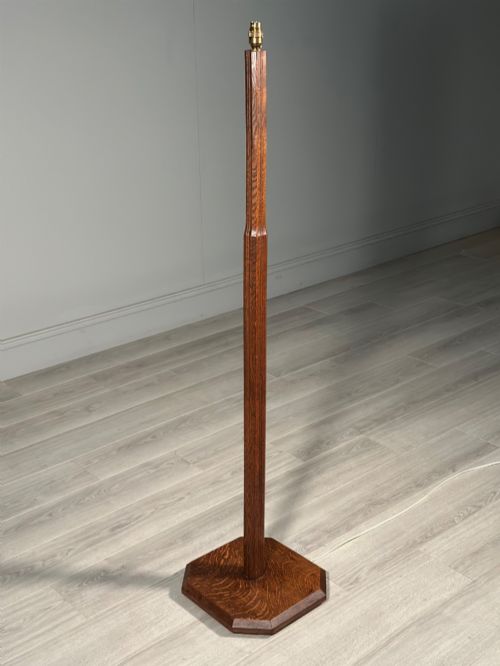
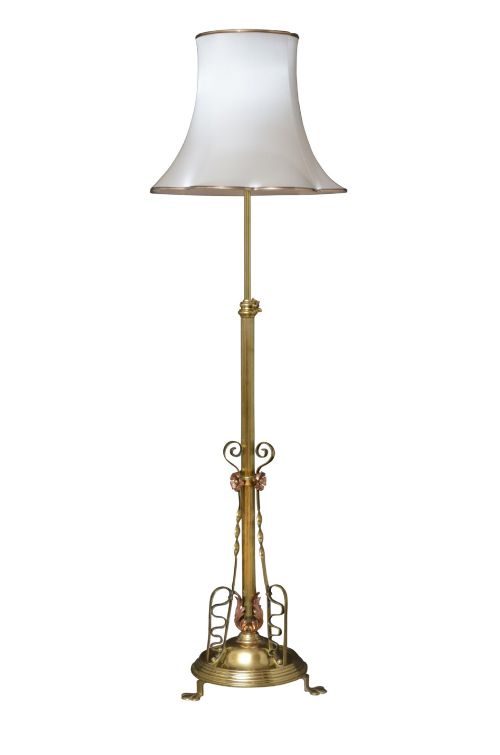
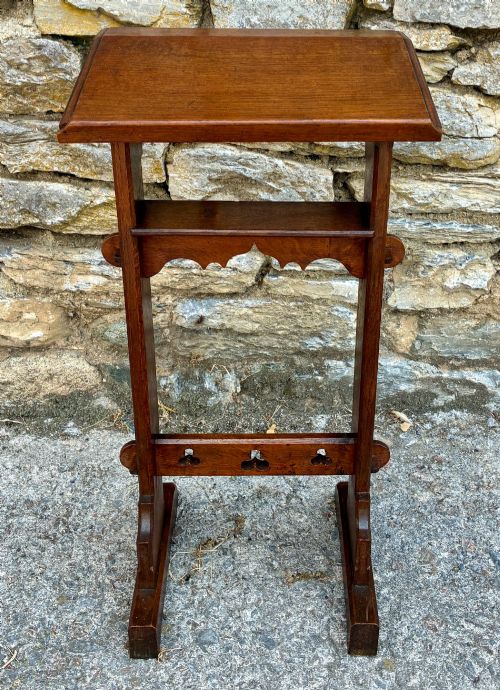
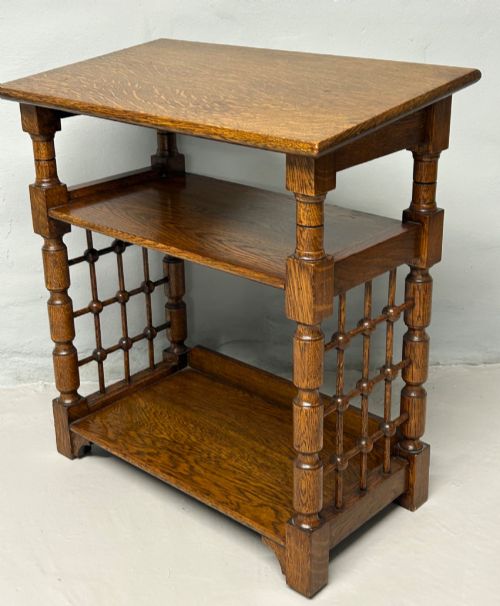
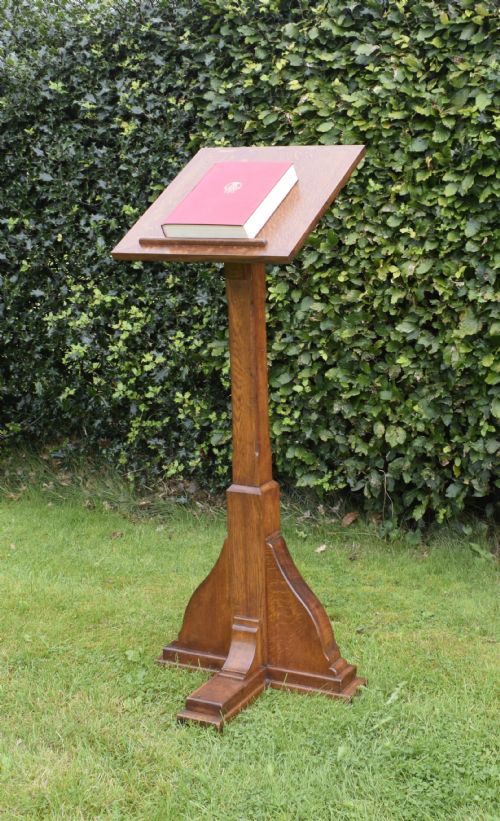
An arts and crafts reading stand spans upright lecterns, floor-standing lamps with adjustable arms, and compact book troughs designed for functional utility. You are most likely to encounter oak book stands from the Edwardian period alongside brass and copper standard lamps dating from around nineteen hundred.
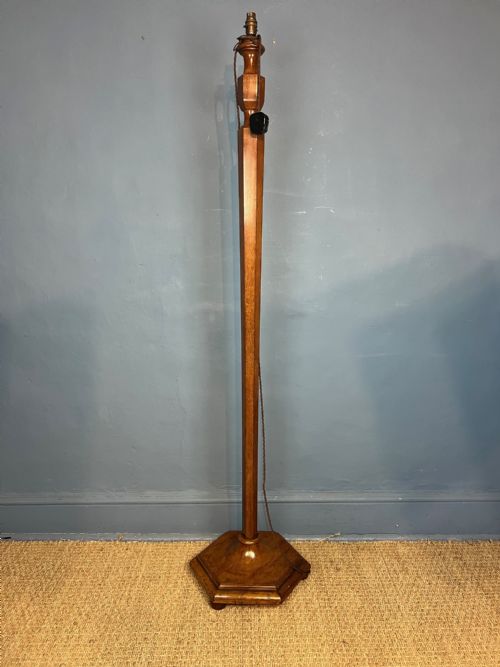
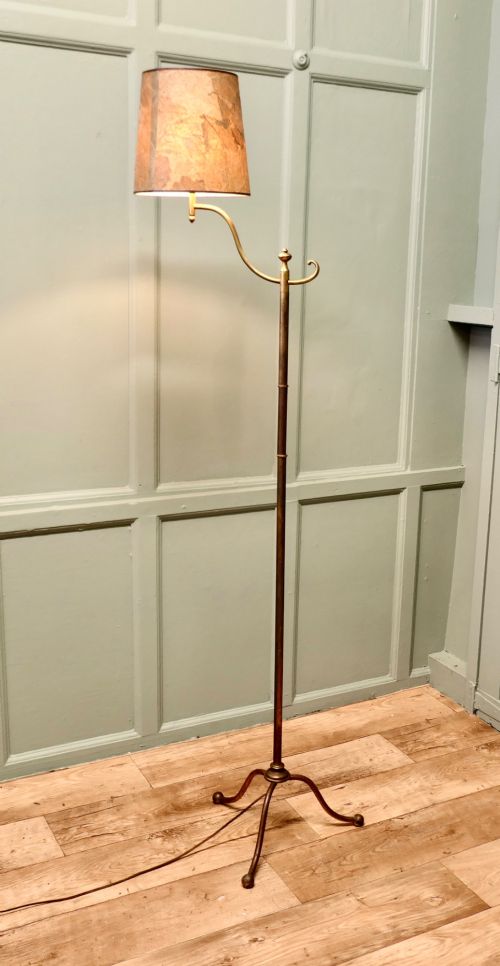
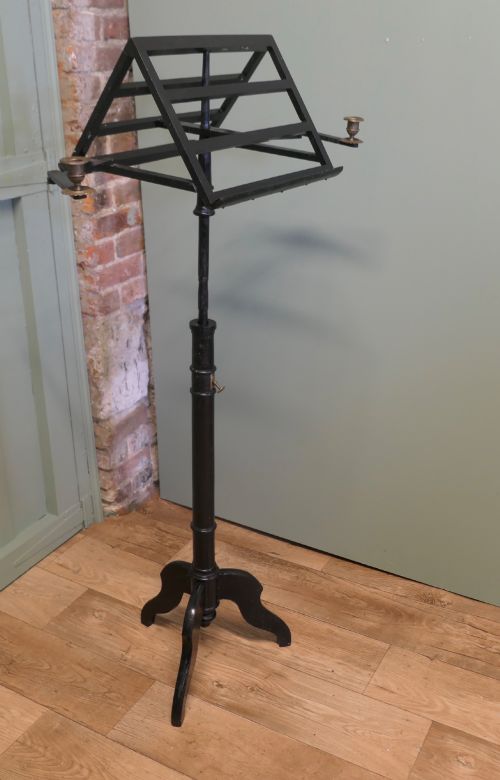
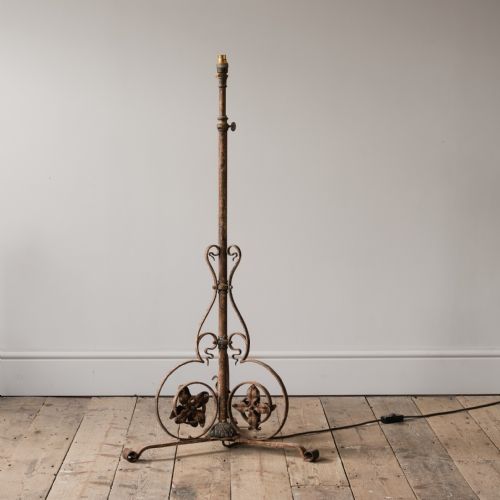
The material vocabulary relies heavily on solid oak, wrought iron, and polished brass, reflecting the movement's preference for exposed grain and honest metalwork. Forms range from church-style lecterns and slope-shelf bookcases to telescopic floor lamps fitted with adjustable mechanisms.
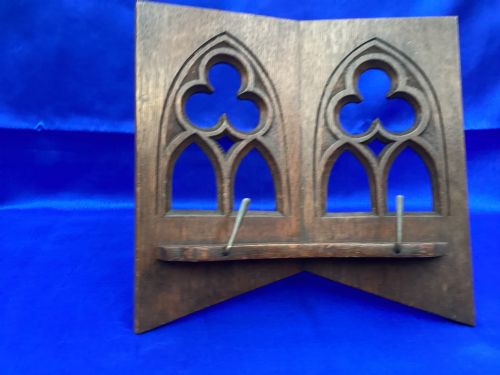
Pieces frequently overlap with Art Nouveau and Gothic Revival styles, showing organic curves or medieval motifs executed in heavy timber or cast metal. The common thread is a deliberate departure from factory uniformity in favour of hand-finished utility.
Materials and construction methods
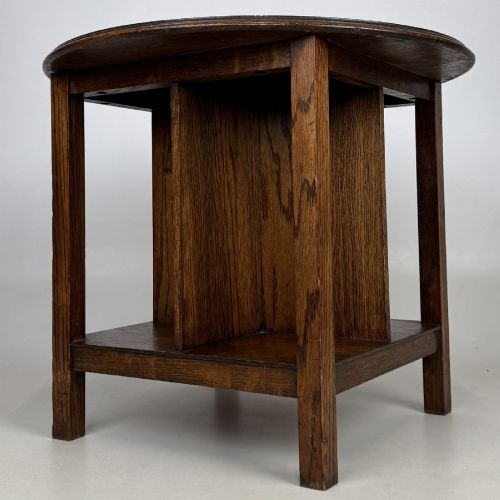
Joinery on the timber pieces relies on solid oak assembled with visible pegged joints and open-front slope shelves. Metalwork combines brass and copper elements with wrought iron frames, often featuring telescopic stems and adjustable arms for functional positioning.
Blacksmith-made examples utilise hand-hammered iron and cast iron bases to provide weight and stability for standard lamps and reading desks. Surface finishes remain true to the materials, showing unlacquered brass, dark polished oak, and patinated iron.
Arts and Crafts Reading Stand Retail Price Guide 2026
Typical asking prices for arts and crafts reading stand among the pieces listed under this phrase on Sellingantiques today, from the lower quarter to the upper quarter. They describe what is for sale here now, not the wider market.
Current listings demonstrate a strong material division between warm oak timber and adjustable brass or wrought iron metalwork.
Distinctions in craftsmanship
The calibre of a piece depends on the weight of the metal gauge used in telescopic stems and the integrity of the oak joinery. Superior examples maintain smooth movement in their adjustable mechanisms without relying on replacement fixings.
Proportion and surface treatment separate standard production items from workshop pieces bearing thoughtful hand-finishing. Honest patination on copper and brass enhances the visual depth, whereas over-polished surfaces mask the age of the metal.
Whytock and Reid
The Arts and Crafts Reading Stand Glossary
- Lectern
- A reading desk with a slanted top designed to hold a book or manuscript at a comfortable angle for a standing speaker or reader. These often appear in oak during the Edwardian period.
- Standard Lamp
- A tall floor-standing light fixture, frequently seen here with telescopic brass or wrought iron columns and adjustable arms. They provide ambient illumination alongside reading positions.
- Telescopic
- Describing a shaft or standard that extends vertically through sliding inner sections, secured by a thumbscrew or collar. This mechanism allows the overall height of lamps and reading stands to be adjusted.
- Book Trough
- An open-front receptacle designed to hold volumes upright on a desk or beside a chair. They utilise slope shelves to keep titles visible and accessible.
Arts and Crafts Reading Stand: Frequently Asked Questions
How do I use a reading stand today?
These pieces suit studies, libraries, and living spaces where they hold open volumes, sheet music, or tablets at a comfortable viewing angle. Floor lamp combinations also place direct light precisely where needed.
Their substantial oak and metal construction ensures they remain stable when supporting heavy volumes or standing beside an armchair.
Were these stands made for homes or churches?
The inventory includes items designed for both domestic interiors and institutional spaces. Smaller slope-shelf bookcases and magazine racks served sitting rooms, while church lecterns provided furniture for ecclesiastical use.
Despite their origins, pieces from both settings integrate easily into modern domestic rooms through their straightforward forms.
How do I distinguish Edwardian pieces from Victorian ones?
Victorian examples tend towards heavier proportions and darker finishes, occasionally incorporating Gothic Revival details. Edwardian items frequently lean towards lighter oak constructions and integrated Art Nouveau curves.
Examining the metal fixings and timber milling helps anchor the object within its specific decades of production.
What maintenance do brass and copper parts require?
Unlacquered brass and copper develop a natural patina over time through exposure to air and handling. Regular dusting with a soft cloth preserves the surface without stripping away the historical finish.
Avoid abrasive cleaners that remove the aged character accumulated across the decades.