

Arts and Crafts Oak Dining Table
An arts and crafts oak dining table brings honest construction, solid timber and simple utility directly into the modern dining room.
Arts and Crafts Oak Dining Table
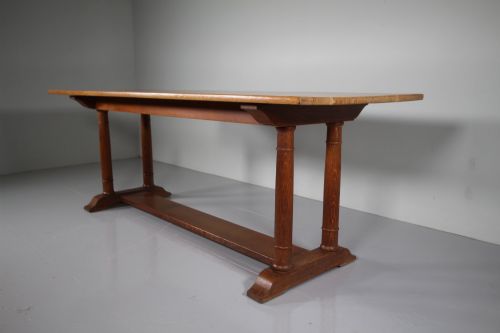
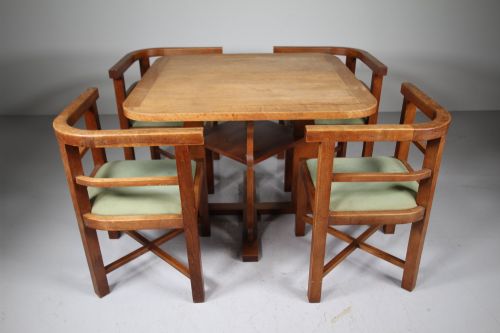
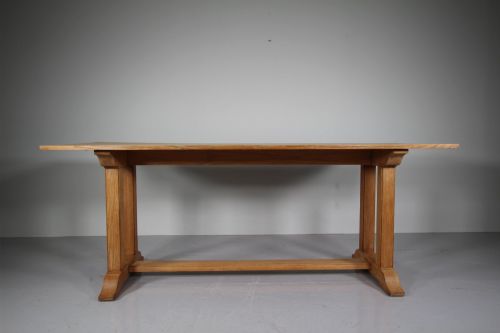
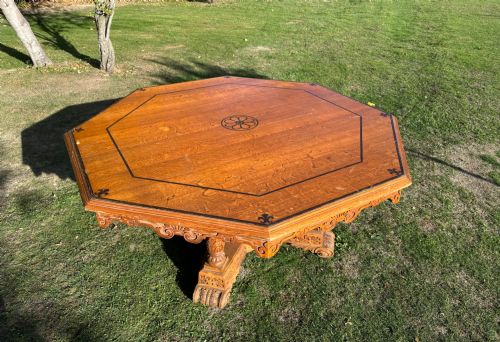
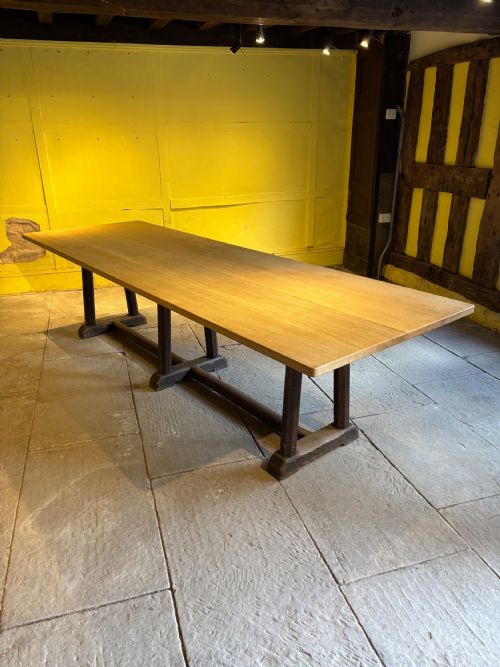
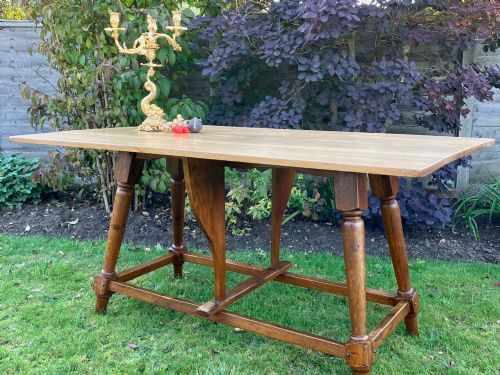
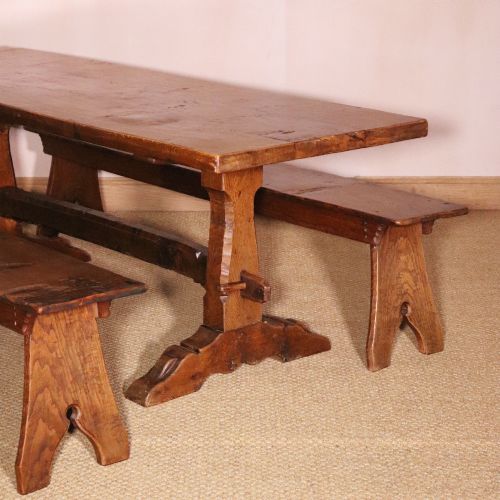
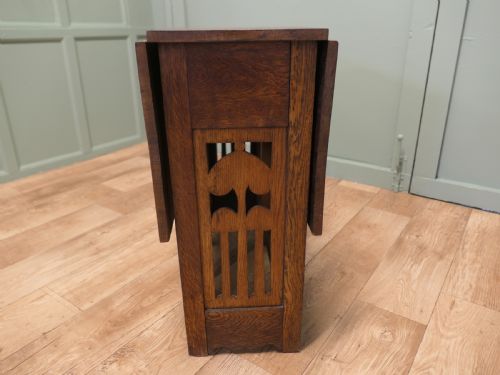
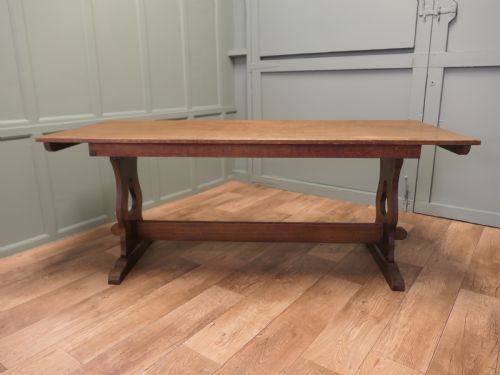
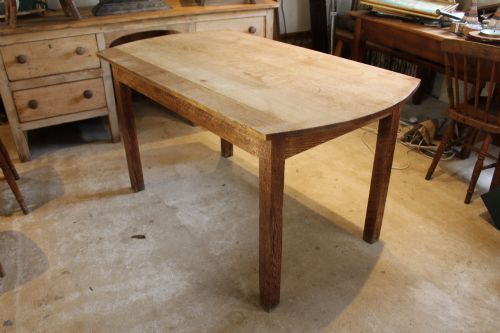
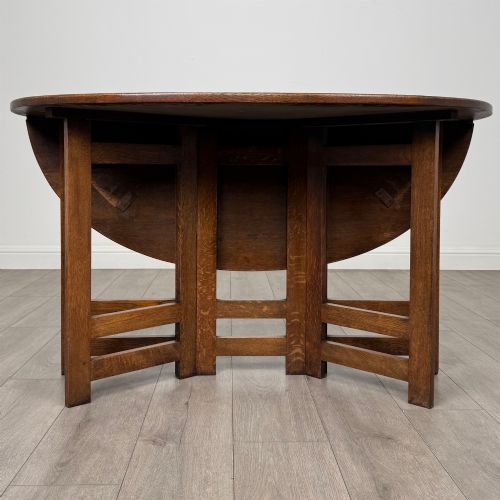
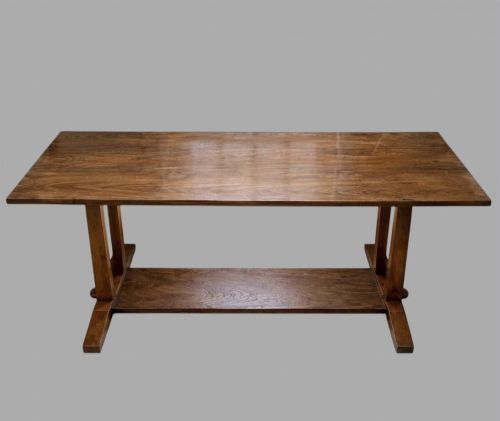
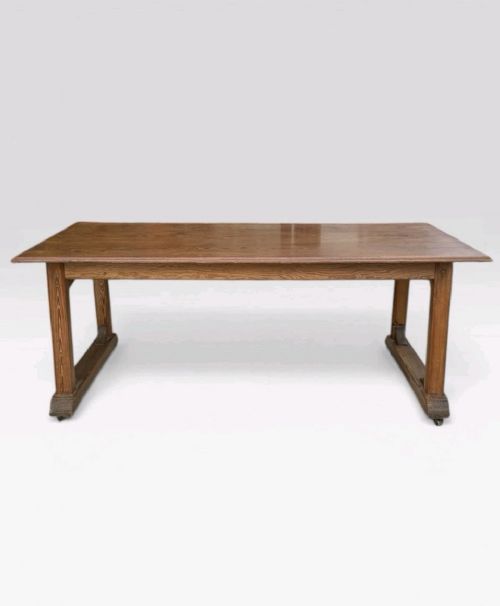
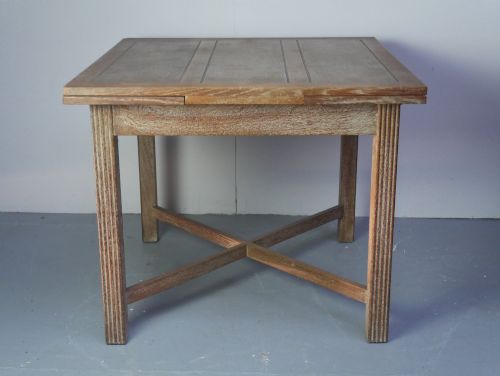
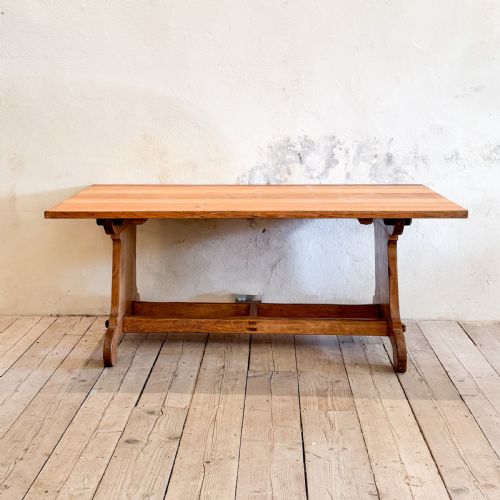
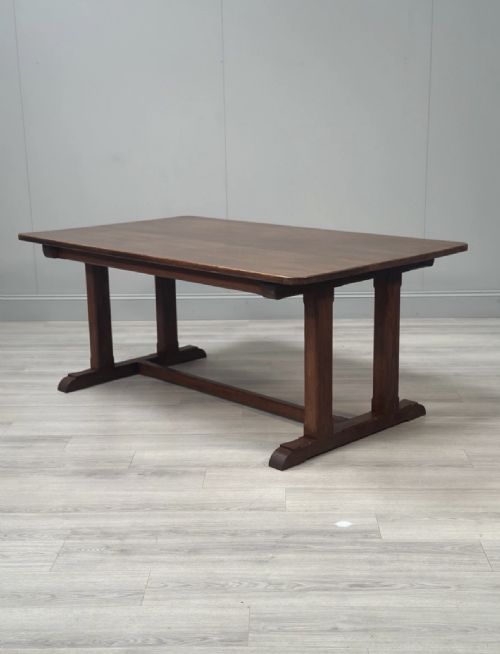
An arts and crafts oak dining table appears in several distinct forms across this selection, ranging from heavy refectory formats to gateleg drop-leaf tables and narrow kitchen pieces. These examples span the late nineteenth century through the interwar decades, taking influence from Edwardian taste and Cotswold ideals.
The heavy refectory table forms the backbone of these listings, often featuring stretcher bases and solid tops designed for daily utility. Alongside these robust refectory designs, smaller drop-leaf and gateleg versions provide adaptable surfaces for compact spaces.
Assessing Quality
The distinction between ordinary production and finer workshop output rests on the selection of timber and the restraint of the carved detail. Quarter-sawn boards with deep, natural figuring elevate a piece beyond standard utility furniture.
Proportion and structural integrity define the upper tier of these dining tables. Tables that retain balanced dimensions, original stretcher bracing and authentic patination demonstrate superior workshop origins.
Arts and Crafts Oak Dining Table Retail Price Guide 2026
Typical asking prices for arts and crafts oak dining table among the pieces listed under this phrase on Sellingantiques today, from the lower quarter to the upper quarter. They describe what is for sale here now, not the wider market.
Listings span from the 1880s through the 1940s, utilising solid oak, limed oak, and occasional elm.
Heals of London·Sir Robert Stoddart Lorimer·Jack Grimble
The Arts and Crafts Oak Dining Table Glossary
- Quarter-sawn oak
- Timber cut radially through the growth rings to produce distinct figuring known as medullary rays. This method creates a stable board prized for its decorative appearance.
- Refectory table
- A long, narrow dining table traditionally built with substantial legs and a low stretcher base. These tables provide rigid support without obstructing seated diners.
- Gateleg table
- A drop-leaf table featuring hinged legs that swing outward to support the raised leaves. This design allows the surface area to expand or contract as needed.
- Limed oak
- Wood treated with a specialised pigment or finish that settles into the open grain. The process produces a pale, frosted appearance popular in twentieth-century furniture design.
- Cotswold School
- A regional design movement emphasising hand tool proficiency and traditional woodworking joints. Makers in this tradition focused on unadorned utility and honest construction.
Arts and Crafts Oak Dining Table: Frequently Asked Questions
What defines an arts and crafts dining table?
These tables rely on solid timber, visible construction joints and functional simplicity rather than applied historical ornament. They reflect a philosophical shift away from mass-produced factory output toward honest craftsmanship.
Most examples utilise native oak, sometimes quarter-sawn to highlight the natural grain, and favor robust stretcher bases or trestle supports designed for everyday family life.
How do I choose the right size table?
Consider both the physical dimensions of your dining space and the daily seating requirements you need to accommodate. Refectory formats offer fixed lengths suited to larger rooms, while drop-leaf or gateleg designs adapt well to compact areas.
Measure the clearance around the table to ensure chairs slide in comfortably beneath fixed stretchers or trestle bases.
Are these tables suitable for daily family use?
Solid oak construction and pegged joinery make these tables exceptionally durable for regular meals and kitchen activities. The dense timber withstands daily wear while developing a richer patination over time.
Routine maintenance requires little more than simple wiping with a dry or slightly damp cloth to protect the original finish from moisture.
How can I tell the period of an oak table?
Dating relies on examining the joinery methods, timber preparation and specific stylistic cues such as stretcher placement or edge profiling. Pieces from the late nineteenth century often show heavier Victorian or Gothic influences.
Interwar and 1930s examples tend toward cleaner lines, sometimes featuring limed finishes or lighter quarter-sawn boards characteristic of the Cotswold tradition.