




Arts and Crafts Metal Box
These arts and crafts metal box finds offer tactile utility, bringing hammered surfaces and period warmth into modern rooms.
Arts and Crafts Metal Box
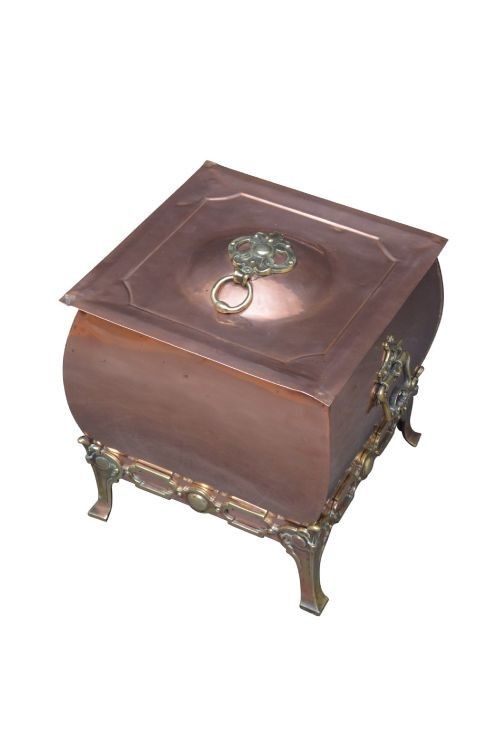
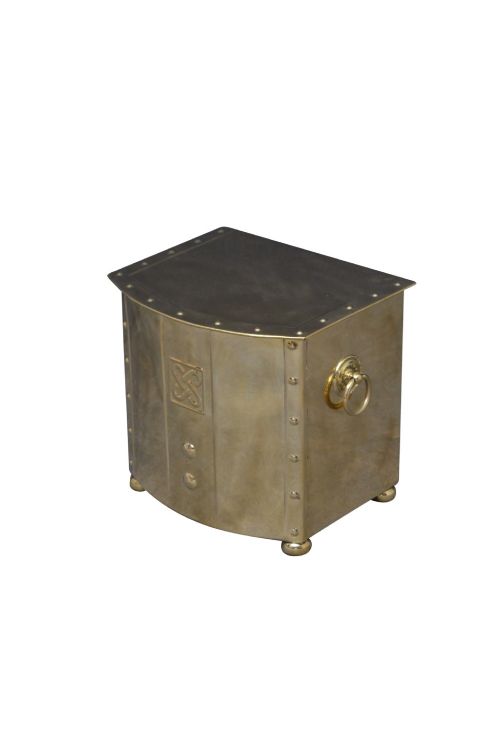
When you search for an arts and crafts metal box, you encounter everything from small caskets and letter racks to large fireside coal scuttles and log bins. The selection spans compact desk pieces like copper envelopes and cigar boxes alongside heavy hearth accessories and trench art items.
The objects date primarily from the Victorian era through the early twentieth century, encompassing late nineteenth century pieces up to the nineteen-forties. Brass, copper, and pewter dominate the forms, frequently paired with wood, iron, and enamel details.
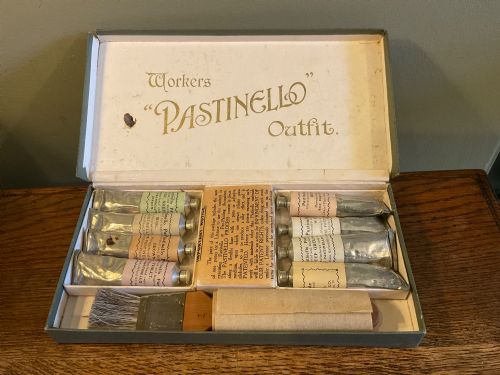
You meet heavy industrial items and domestic decorative containers alike on these pages. Pieces range from coal bins and log buckets to delicate cloisonné enamel caskets and painting sets.
Materials and construction techniques
Metalworking in these pieces relies on hand beaten and repoussé techniques, shaping copper, brass, and pewter sheets over wooden or iron armatures. Riveted steel and wrought iron elements provide structural rigidity, especially in larger fireside bins and coal receivers.
Surface decoration frequently incorporates cloisonné enamel panels and hand painted details. Makers used raw sheet metals, polishing or oxidizing the surfaces to highlight the hammer marks and tactile texture of the metal.
Arts and Crafts Metal Box Retail Price Guide 2026
Typical asking prices for arts and crafts metal box among the pieces listed under this phrase on Sellingantiques today, from the lower quarter to the upper quarter. They describe what is for sale here now, not the wider market.
Judging quality in metalwork
Quality rests in the crispness of the hand beating and the depth of the repoussé work across the metal surface. The control shown in riveted joints and the integration of enamel panels separate standard utility containers from finer decorative caskets.
Subtlety in the patination and the weight of the underlying brass, copper, or pewter determine the overall integrity of the piece. Superior examples display intentional design choices in the hinges, clasps, and supportive ironwork.
Liberty and Co
The Arts and Crafts Metal Box Glossary
- Repoussé
- A metalworking technique where the artist hammers the design from the reverse side to form a raised relief on the front. This method creates tactile depth on copper and brass surfaces.
- Cloisonné
- An ancient technique for decorating metal object surfaces with enamel compartments defined by strips of metal. These colourful enamel panels often accent the metal lids of caskets.
- Pewter
- A malleable metal alloy consisting mostly of tin, used for small boxes and decorative panels. It offers a dull silvery grey finish that takes hand beating well.
- Trench art
- Decorative items made by soldiers, prisoners of war, or civilians from war scrap materials. These metal objects date from periods of global conflict.
- Coal scuttle
- A container specifically designed to hold coal for a fireplace, often styled as a bucket, box, or bin in brass and copper.
Arts and Crafts Metal Box: Frequently Asked Questions
How do I clean an antique copper box?
Use a soft, dry cloth to remove dust without disturbing the aged patina on the surface. Avoid harsh chemical polishes that strip away the historical coloration of the metal.
Preserve the integrity of hand beaten textures by leaving the underlying oxidation intact rather than aiming for a bright mirror shine.
Are these metal boxes suitable for daily use?
Sturdier brass and copper bins handle logs and coal effectively, while smaller pewter and enamel caskets suit desk storage. Assess the hinge strength and interior lining before assigning heavy everyday tasks.
Gentle daily interaction suits most pieces, provided you protect delicate enamel panels from sharp impacts.
What defines the Arts and Crafts style?
This design movement emphasises hand craftsmanship, visible hammer marks, and natural materials over mass produced industrial uniformity. It values honest construction and simple utility.
Surface decoration often draws inspiration from organic forms and traditional metalworking techniques rather than classical revivalism.
How do I date a brass coal box?
Examine the construction methods, such as the type of rivets, hinges, and the composition of the underlying sheet metal. Late Victorian and early twentieth century pieces often show distinct hand tool marks.
Compare the decorative motifs and any associated enamel work against known production periods for similar hearth accessories.