



Arts and Crafts Light Fixture
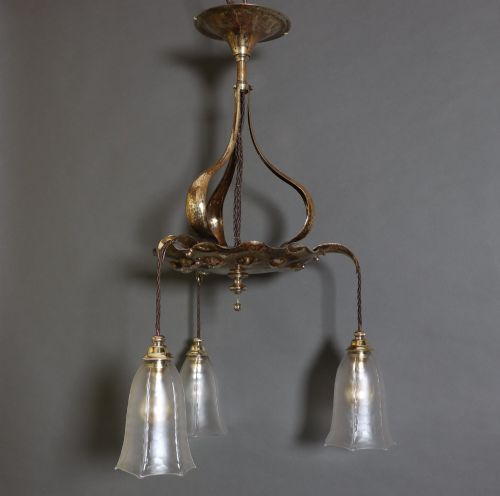
An arts and crafts light fixture brings authentic period illumination into a room through honest metals and hand worked glass.
Arts and Crafts Light Fixture
When you search for an arts and crafts light fixture, you encounter practical ceiling lights, wall lamps and hall lanterns originating primarily from the Edwardian era and the early decades of the twentieth century. These pieces reflect a design philosophy that prioritised visible construction and utility over superfluous ornamentation.
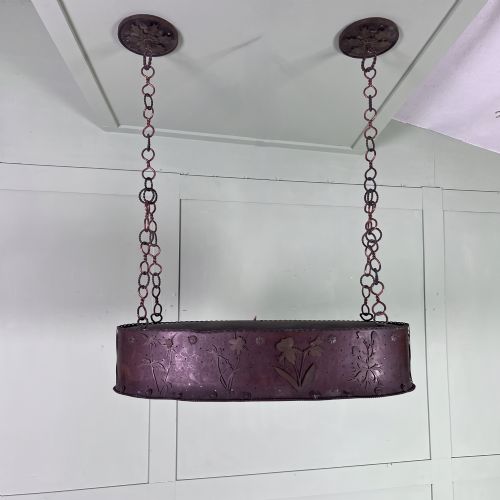
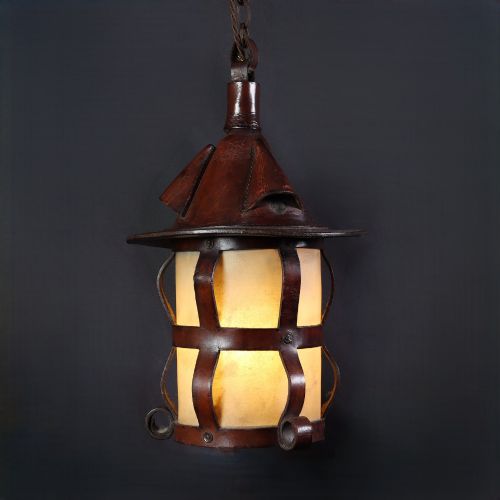
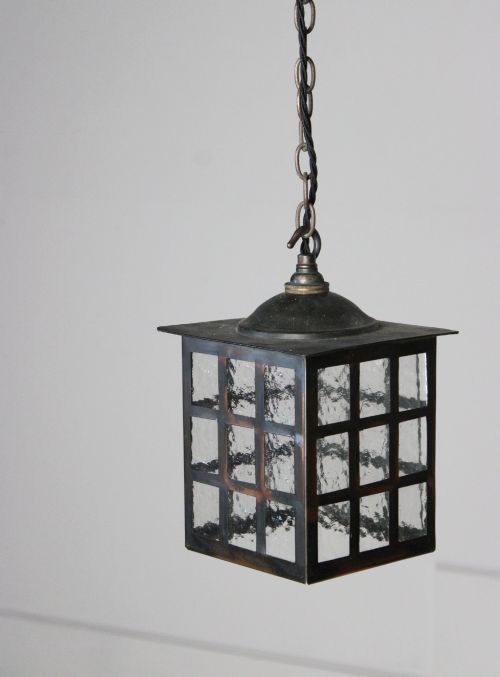
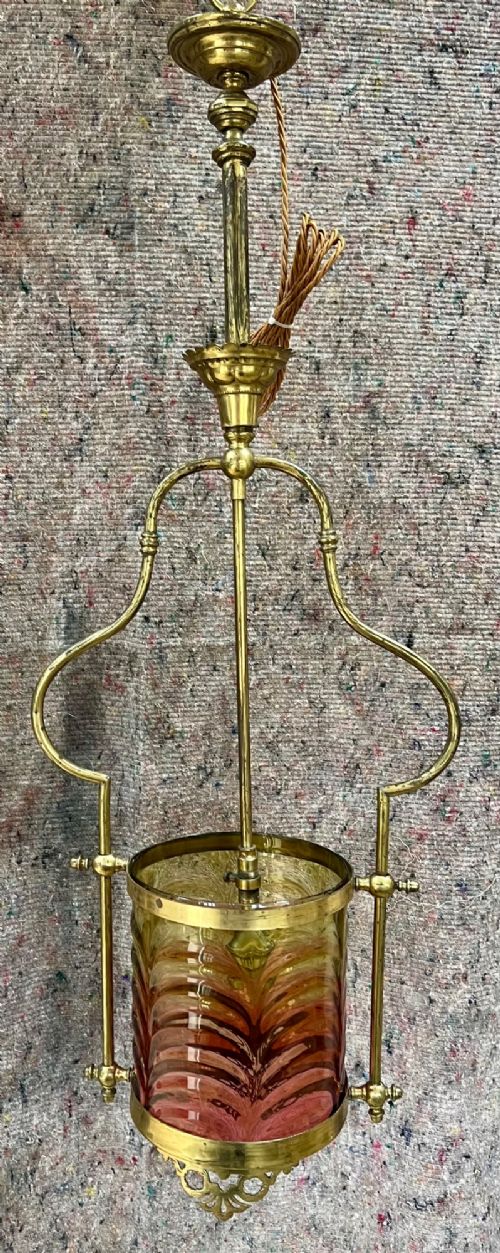
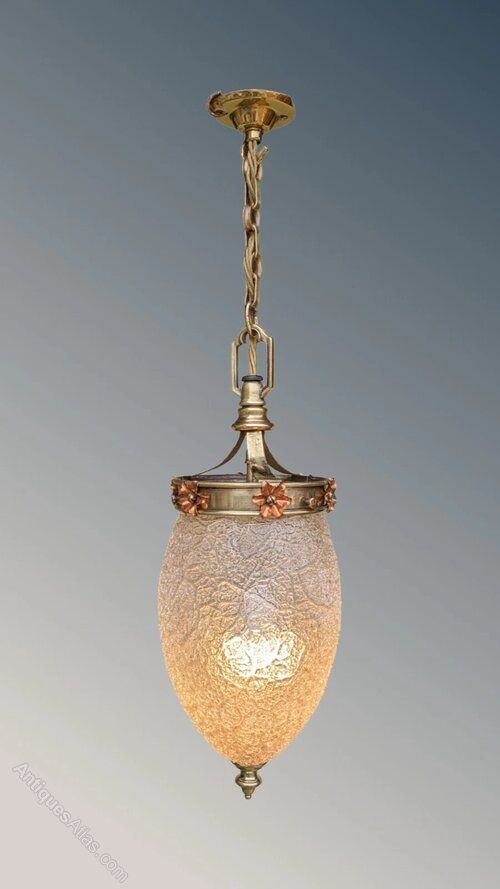
The selections span simple copper pendants to substantial wrought iron chandeliers and brass hall lanterns, frequently influenced by Gothic Revival or Amsterdam School aesthetics. The predominant forms include ceiling mounted bowl lamps, carriage style wall fixtures and hanging lanterns designed to distribute warm, ambient illumination.
Materials and construction methods
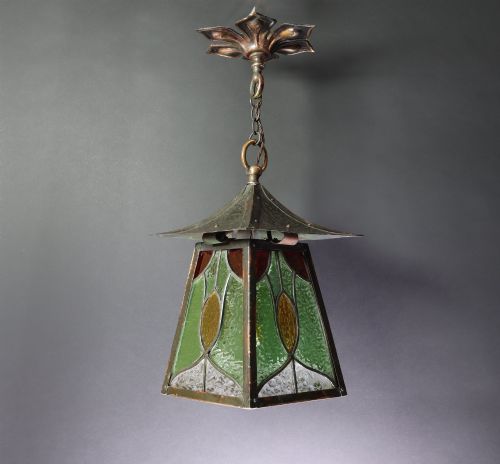
Makers utilised hammered copper, polished brass, and forged wrought iron as the foundational structure for these fittings, often pairing them with leaded stained glass, opalescent shades, or vaseline glass. Leather and vellum panels also appear on specialised lanterns, secured with hand stitching.
Metals were frequently hand chased or beaten to display the direct labour of the artisan, avoiding industrial uniformity in favour of tactile surfaces. Structural joints, rivets, and fixings remained visible as a testament to straightforward construction techniques.
Arts and Crafts Light Fixture Retail Price Guide 2026
Typical asking prices for arts and crafts light fixture among the pieces listed under this phrase on Sellingantiques today, from the lower quarter to the upper quarter. They describe what is for sale here now, not the wider market.
The inventory spans the Victorian period through the Edwardian era up to the nineteen-thirties.
Assessing quality in period lighting
Superior examples distinguish themselves through the substantial weight of their cast metals, the depth of hand beaten texture on copper and brass, and the integration of specialised glass elements like leaded stained glass or opalescent bowls. The integrity of the original metalwork and the presence of hand stitched details on vellum or leather panels elevate a piece considerably.
The refinement of the silhouette and the harmony between structural metalwork and the chosen shade define the upper tier of these fittings. Lesser examples rely on thinner gauge metals and simpler stamped components that lack the deliberate heft and individual character found in workshop pieces.
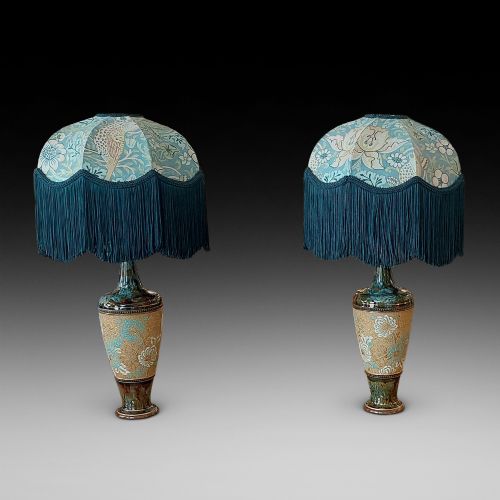
Royal Doulton·Benson
The Arts and Crafts Light Fixture Glossary
- Arts and Crafts
- A design movement spanning the late nineteenth and early twentieth centuries that emphasised hand craftsmanship, simple forms, and honest materials.
- Amsterdam School
- An architectural and design style originating in the Netherlands characterised by rounded brickwork, expressive forms, and detailed metalwork.
- Vaseline glass
- A type of glass containing uranium dioxide that produces a distinctive yellow-green colour under natural light and glows brightly under ultraviolet light.
- Leaded glass
- Small pieces of sheet glass joined together with strips of lead cames to form geometric or pictorial patterns, common in hanging lanterns and shades.
- Hall lantern
- A suspended light fixture traditionally hung in an entrance hall or corridor, enclosed in glass panels to protect the flame or bulb from drafts.
Arts and Crafts Light Fixture: Frequently Asked Questions
Where should I hang a hall lantern?
Hall lanterns suit entrance corridors, stairwells, and high ceilinged vestibules where their enclosed glass panels can safely cast directional or ambient light. They function best when hung at a height that allows clear passage underneath while remaining a focal point upon entry.
Because these fixtures often feature substantial brass or copper frames, ensure your ceiling joists can support the weight of the metal and glass construction before installation.
How do I clean copper and brass fixtures?
Dust metal surfaces gently with a soft, dry cloth to prevent the accumulation of grime without disturbing the natural ageing process of the metal. Avoid harsh chemical polishes that strip away historical patination and alter the honest appearance intended by the makers.
Glass shades and panels can be carefully removed where appropriate and washed in warm soapy water, ensuring they are completely dry before reassembly into the metal frame.
Are these lights compatible with modern wiring?
Most period fixtures can be adapted by a qualified electrician to meet current safety standards while preserving the original lampholders and external framework where possible. Rewiring ensures safe daily use in a modern domestic setting.
Check the internal clearance of the fitting to ensure it accommodates contemporary bulb sizes and heat outputs without risking damage to historic fabric such as vellum or fabric panels.