


Arts and Crafts Jewelry
Arts and crafts jewellery brings together hand-beaten silver, vitreous enamel, and glowing moonstones to offer an intimate connection to early twentieth-century design.
Arts and Crafts Jewelry
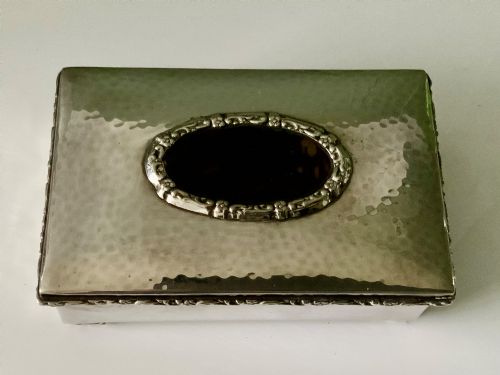
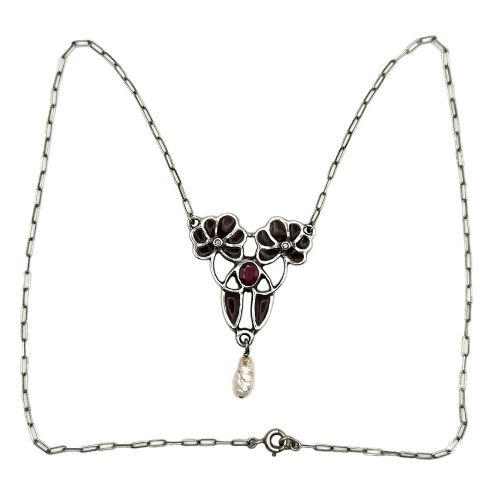
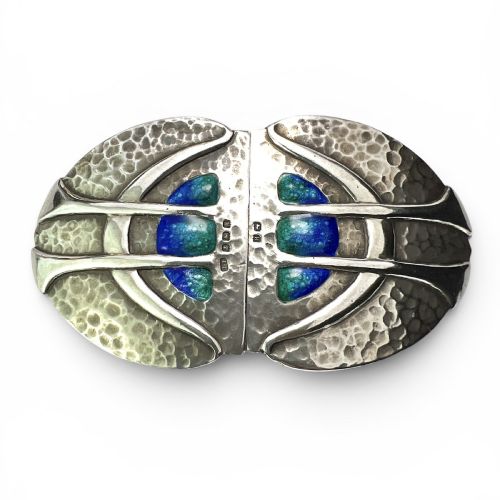
Arts and crafts jewellery encompasses pendants, necklaces, brooches, bracelets, and rings produced primarily between the late nineteenth century and the 1930s. The selection relies heavily on silver and gold settings that frame natural cabochon gemstones.
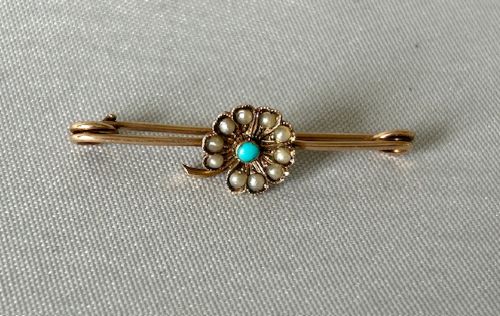
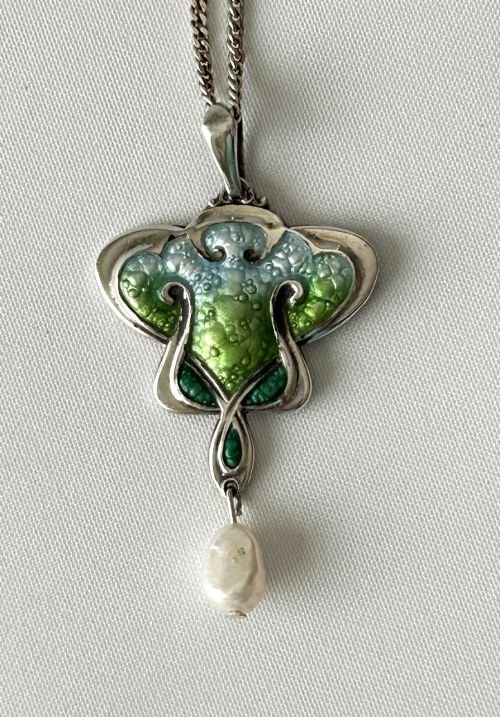
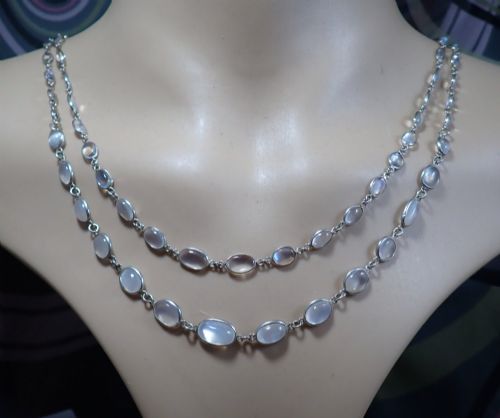
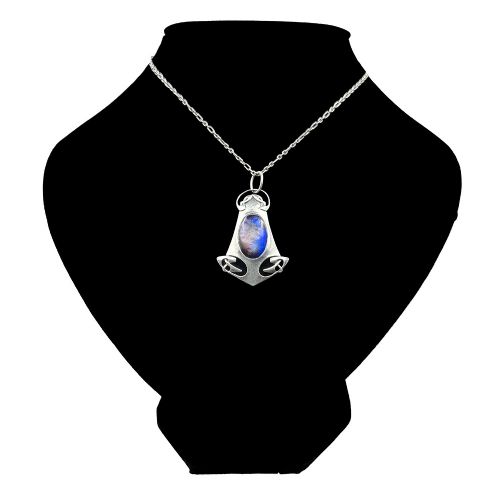
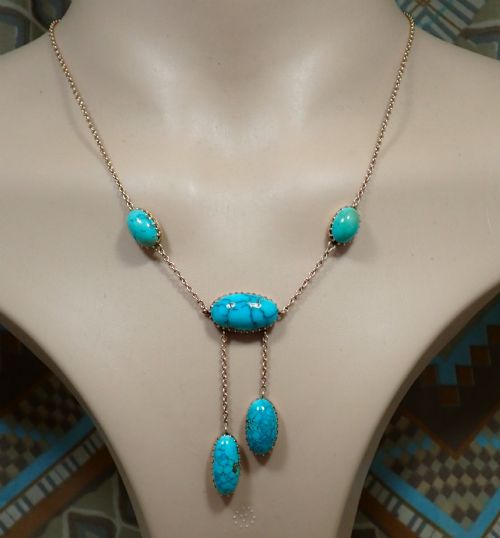
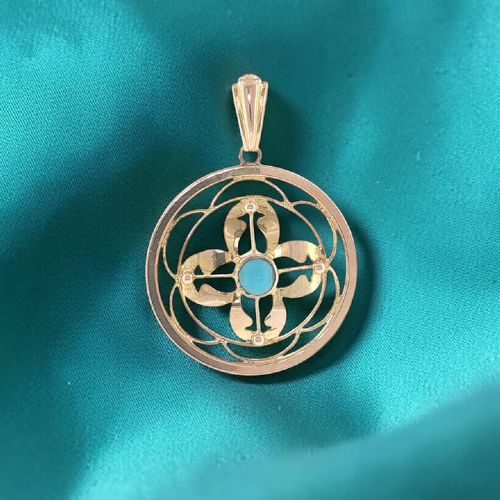
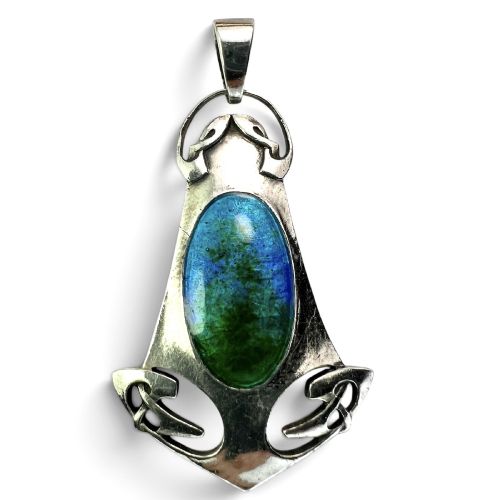
Pendants and brooches dominate the forms, frequently pairing blue or green enamel work with pearls, moonstones, and turquoise. Pieces emerge from distinct stylistic crossovers, linking arts and crafts ideals with art nouveau curves and Edwardian elegance.
How they were made
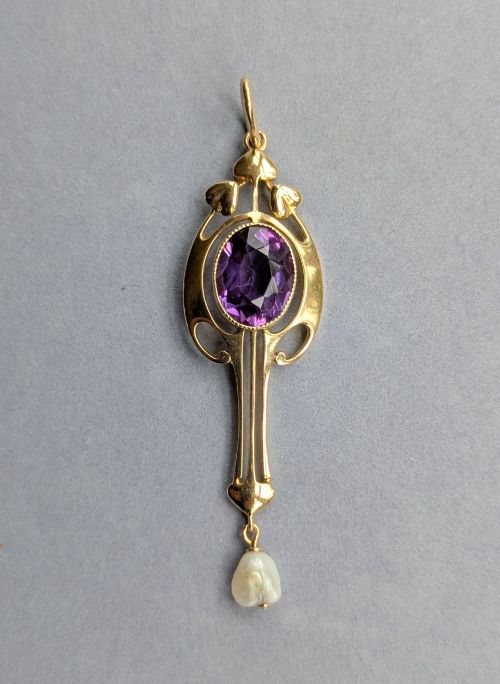
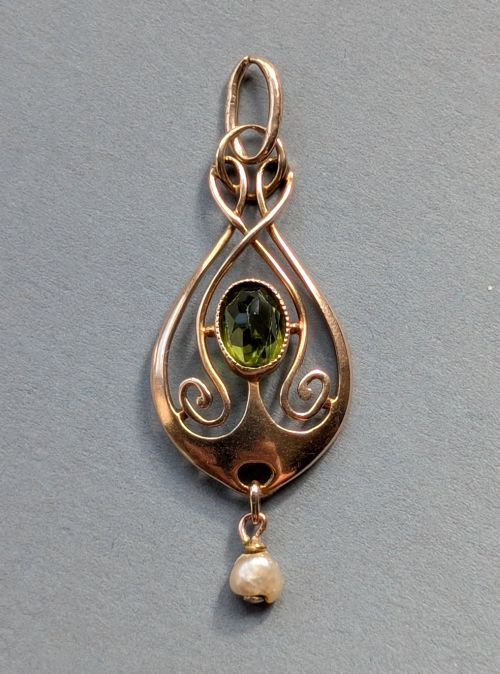
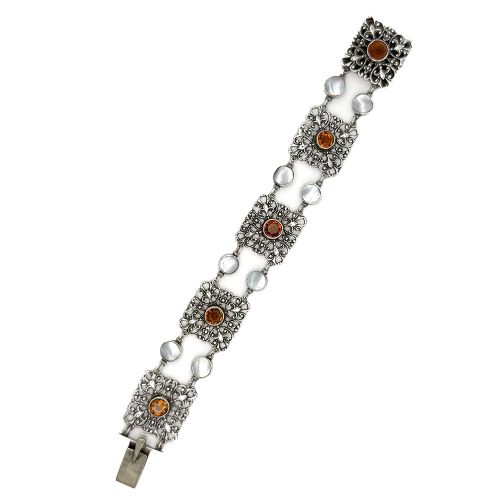
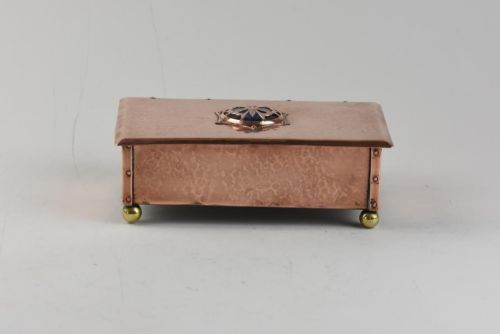
Goldsmiths and silversmiths shaped these items using sterling silver, copper, and nine to fifteen carat gold, often leaving visible hand-beaten textures on the metal surfaces. Stones like amethyst, peridot, and turquoise were set into bezels rather than faceted in modern commercial cuts.
Vitreous enamel and plique-a-jour techniques add translucent colour, capturing light behind blue and green leaf motifs. Rivets, wirework, and soldered bezels reveal manual assembly rather than mass production.
Arts and Crafts Jewelry Retail Price Guide 2026
Typical asking prices for arts and crafts jewelry among the pieces listed under this phrase on Sellingantiques today, from the lower quarter to the upper quarter. They describe what is for sale here now, not the wider market.
What varies in quality
Quality rests on the depth of the metalwork and the integrity of the enamel work, distinguishing workshop pieces from standard commercial production. Crisp bezel settings and undamaged plique-a-jour cells demonstrate superior hand skills.
The choice of stones alters the character of each item, with matched natural moonstones or clear amethysts elevating the design. Maker attribution and documented provenance further divide standard maker output from major studio pieces.
Murrle Bennett·Charles Horner·Amy Sandheim·Archibald Knox·Liberty and Co·James Fenton·The Gaskins·Mary Thew·Rhoda Wager·Wilhelm Fuhner
The Arts and Crafts Jewelry Glossary
- Cabochon
- A gemstone shaped and polished with a smooth, rounded surface rather than faceted. This cut suits softer stones like moonstone, turquoise, and opal.
- Plique-a-jour
- An enamelling technique where enamel is applied to a wire frame without a backing, allowing light to shine through the transparent colour like stained glass.
- Bezel
- A ring of metal that holds a gemstone in place by folding over its edge. This method typifies hand-wrought metalwork from the period.
- Negligee necklace
- A pendant style featuring two drops suspended at different lengths from a central chain or bar. It became popular during the Edwardian era.
- Vitreous enamel
- A material made by fusing powdered glass to a metallic substrate through firing. It provides lasting colour for floral and abstract motifs.
Arts and Crafts Jewelry: Frequently Asked Questions
How do I care for arts and crafts jewelry?
Clean silver and gold components gently with a soft cloth to preserve original patinas and avoid harsh chemical dips. Keep enamel pieces away from prolonged moisture and ultrasonic cleaners to protect the glass.
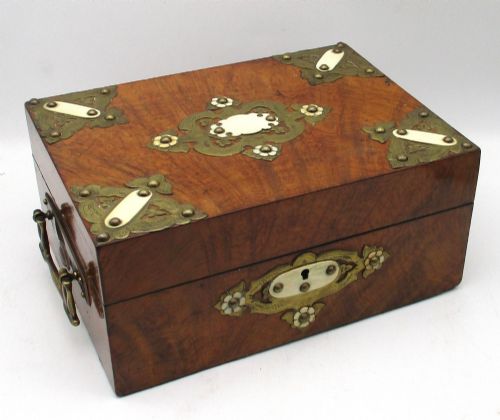
Store items separately in lined boxes to prevent scratches on softer gems like opals and moonstones. Handle clasps and delicate wire frames carefully when wearing pendants and brooches.
What periods do these pieces span?
The inventory covers items from the late nineteenth century through the Edwardian period and into the nineteen thirties. Many creations date from nineteen hundred to nineteen twenty.
Stylistic influences overlap freely, blending Victorian sentiments with art nouveau lines and traditional arts and crafts workmanship.
How do I identify a maker?
Look for stamped maker marks, initials, or designer signatures on the reverse of the metal settings. Distinctive motifs in the enamel and bezel work often point to specific guilds or prominent designers.
Documentation linking a design to known workshops provides secure attribution when maker stamps are absent.
Are these items suitable for daily wear?
Most pieces function well for regular use provided they receive careful handling. Softer stones and glass enamel require extra attention to avoid impacts and knocks.
Securing older pin stems and safety catches ensures brooches and pendants remain safely fastened during wear.