


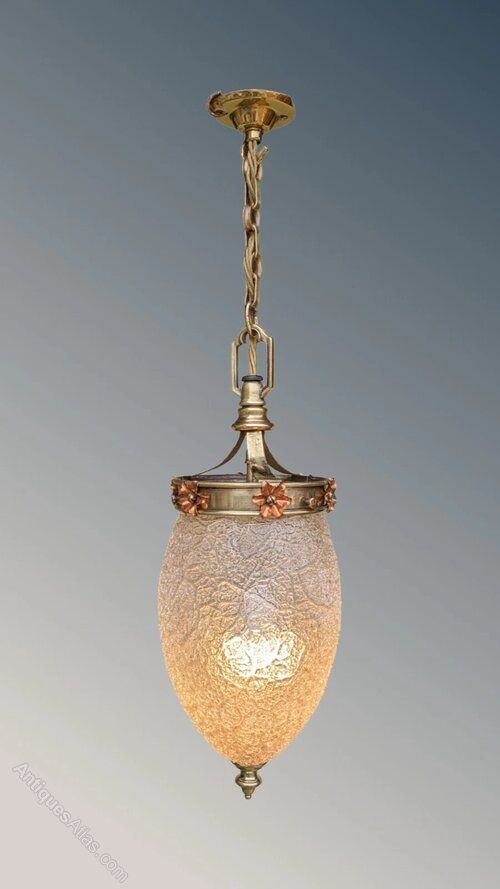


Arts and Crafts Hanging Light
An arts and crafts hanging light brings honest metalwork and warm glass into a hall, combining utility with distinct period character.
Arts and Crafts Hanging Light
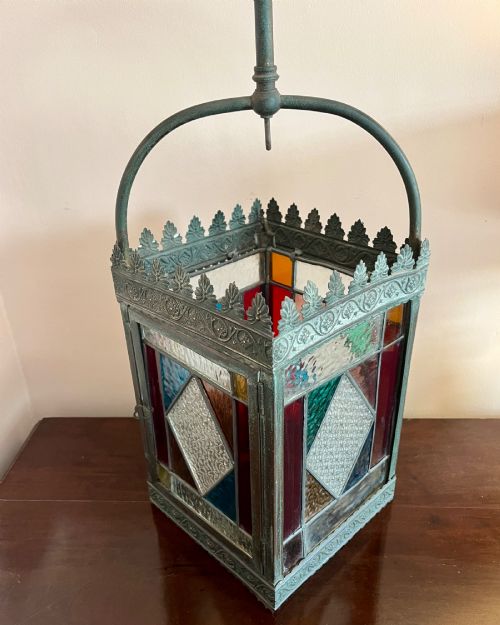
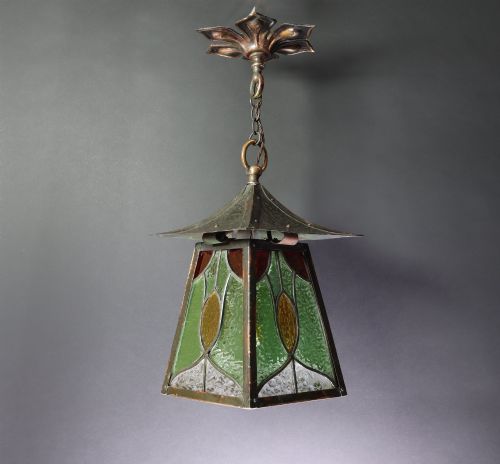
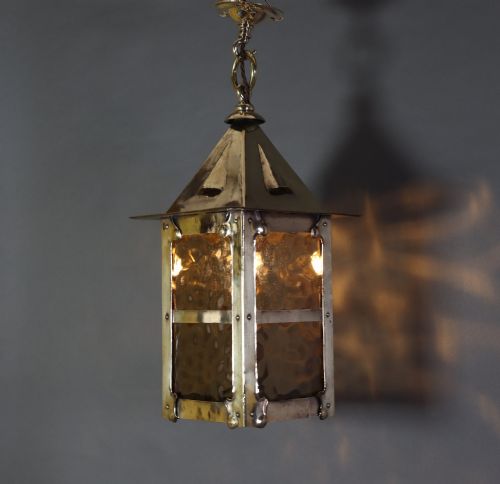
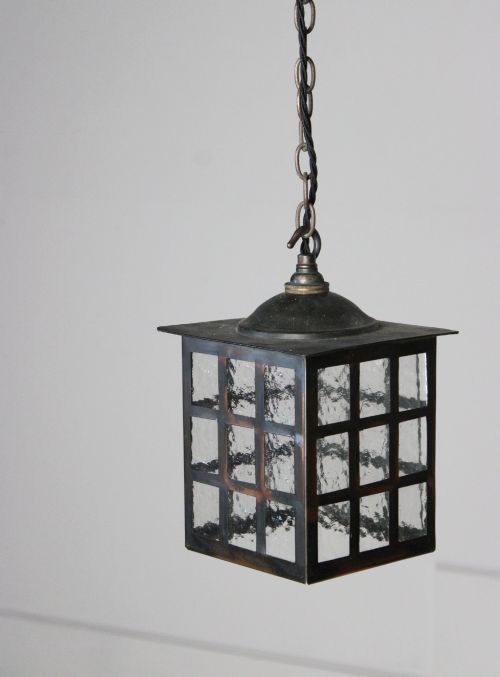
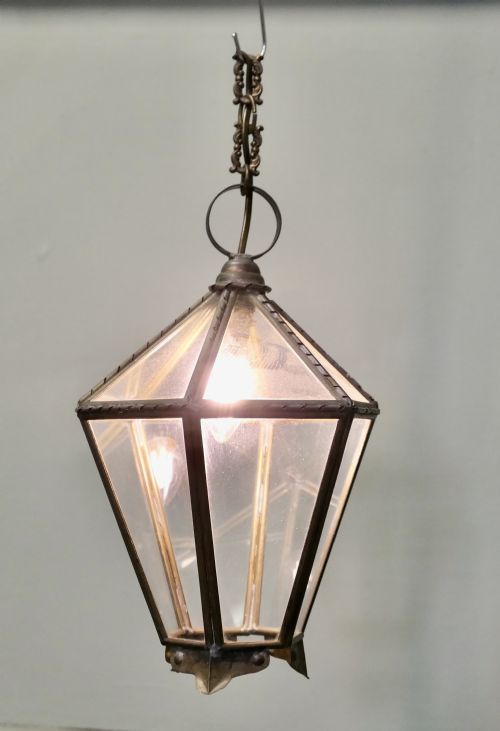
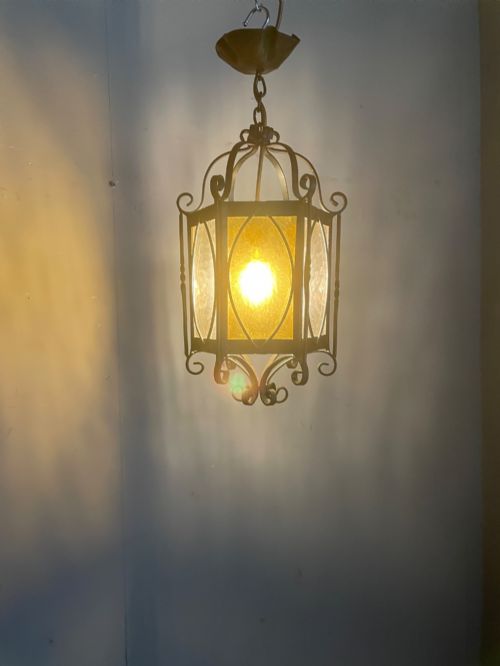
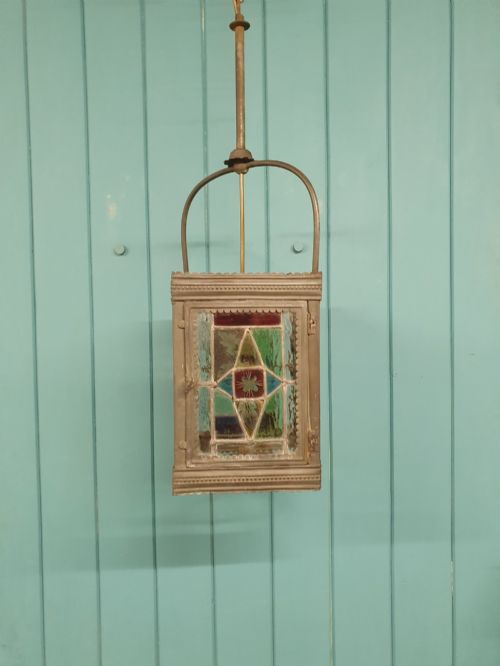
When you search for an arts and crafts hanging light, you encounter ceiling fixtures designed to illuminate entranceways and principal rooms with straightforward utility. The pieces seen here span periods from the late nineteenth century into the 1930s, encompassing Edwardian and Victorian examples alongside French interpretations.
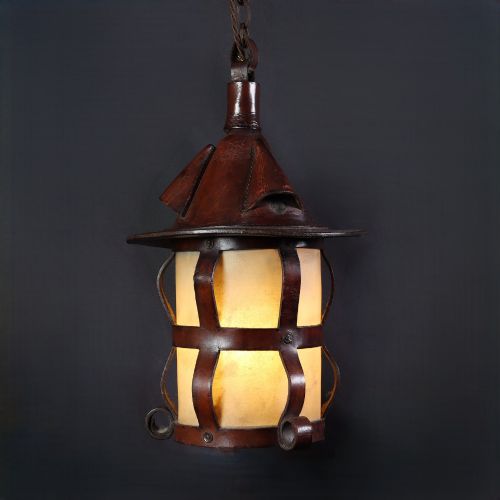
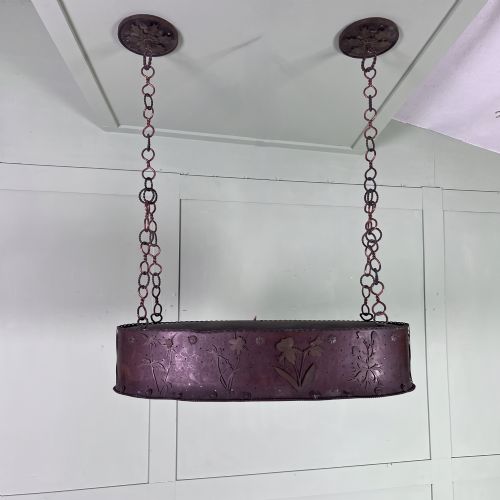
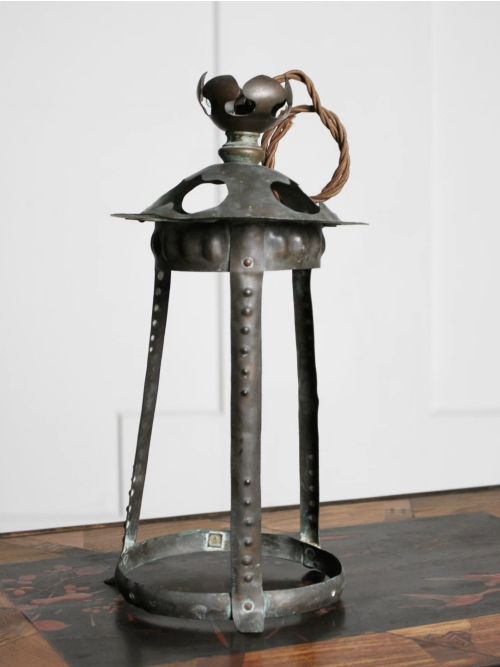
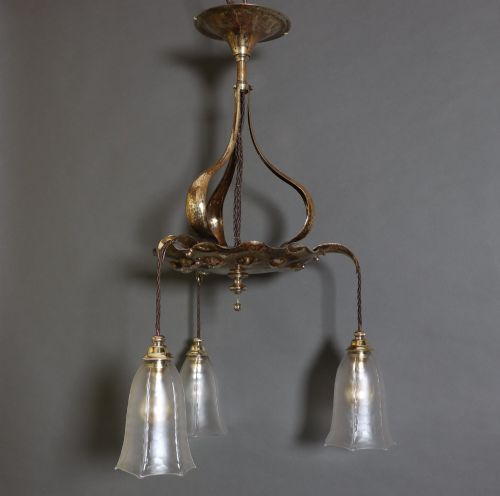
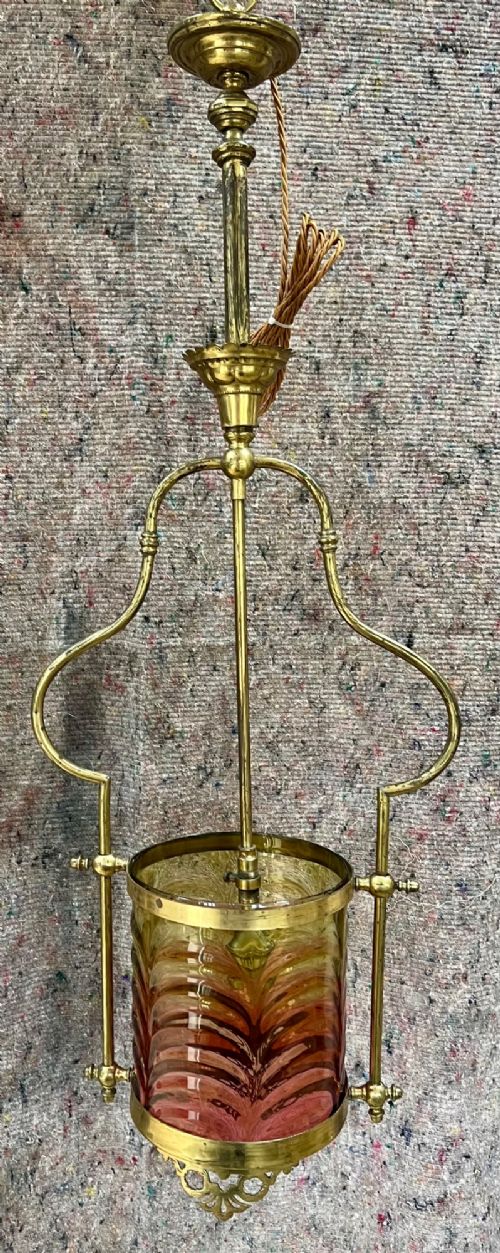
You are most likely to meet copper and brass hall lanterns, pendant lights, and glazed fixtures that rely on simple geometric forms or Gothic influences. These items range from compact porch lights to substantial multi-armed chandeliers and bowl pendants.
The aesthetic prioritises visible construction and tactile surfaces over ornate disguise, reflecting the ideals of the movement from which they emerge. Makers utilised durable materials suited to daily domestic service in homes of that era.
Materials and construction
Makers fashioned these fittings primarily from sheet copper, brass, and wrought iron, often joining components with visible rivets or hand stitching on elements like leather and vellum. The metalwork displays the hammer marks of the smith or artisan rather than industrial smoothing.
Transparent, opalescent, and leaded stained glass panels complete the structures, secured with lead cames to diffuse light evenly. Bronze and cast iron also appear, providing rigid support for heavier hexagonal and multi-panel lantern configurations.
Arts and Crafts Hanging Light Retail Price Guide 2026
Typical asking prices for arts and crafts hanging light among the pieces listed under this phrase on Sellingantiques today, from the lower quarter to the upper quarter. They describe what is for sale here now, not the wider market.
Materials documented across the inventory include brass, copper, wrought iron, lead, bronze, and stained glass.
Judging quality and character
Superior examples demonstrate deliberate proportion and substantial gauge metals that hold their shape under daily use, whereas simpler items rely on thinner sheet stock. The articulation of details - such as hand-beaten textures, secure solder joints, and the integration of leaded glass - distinguishes standard production from finer craftsmanship.
Provenance and originality elevate certain fixtures, particularly when specific design influences or documented makers are discernible. The integrity of the original hanging mechanisms and the preservation of authentic glass panels further determine the standing of each piece.
The Arts and Crafts Hanging Light Glossary
- Came
- A grooved strip of lead used to hold together pieces of stained or clear glass in a window or lantern. It provides both structural support and linear definition to the design.
- Hall lantern
- A ceiling-hung lighting fixture specifically scaled for corridors, vestibules, and entrance halls. These typically feature glazed sides to protect the flame or bulb from draughts.
- Opalescent glass
- A milky, translucent glass that diffuses light with a soft glow, frequently utilised in pendant bowls and shades from this period. It creates a warm interior atmosphere without harsh glare.
- Wrought iron
- Iron that is beaten or bent into shape by hand while hot, showing the physical labour of the blacksmith. This material offers high tensile strength and a dark, tactile surface.
- Pendant light
- A solitary light fixture suspended from the ceiling by a chain, cord, or rigid rod. It directs illumination downward into a specific zone of a room.
Arts and Crafts Hanging Light: Frequently Asked Questions
How do I clean an old copper lantern?
Dust the surfaces gently with a soft, dry cloth to preserve any existing dark patina developed over decades of exposure. Avoid harsh metal polishes that strip away historical character and leave the surface unnaturally bright.
For glass panels, use a mild glass cleaner applied to a cloth rather than sprayed directly onto the metal or lead cames. This prevents moisture from seeping into joints or old wiring channels.
Can these antique lights be rewired for modern homes?
Most surviving fixtures can be adapted to current electrical standards by a qualified professional using period-appropriate braided flex. Rewiring ensures safe daily operation while retaining the original external metal and glass components.
Discuss your wiring requirements with an electrician who understands vintage fixtures to protect delicate brass or copper fittings during the update.
Where should I hang a hall lantern?
Entrance hallways and stair landings provide the traditional setting for these fixtures, where their downward illumination and glazed sides serve practical needs. Ensure adequate clearance below the lowest point of the lantern for safe passage beneath.
Ceiling height dictates the drop of the chain or rod, allowing the piece to sit comfortably within the architectural volume of the space.
How do I tell an Edwardian piece from a Victorian one?
Victorian examples often lean towards heavier proportions, Gothic Revival influences, or candle-lit origins converted later to electricity. They frequently employ darker cast iron and robust brass framing.
Edwardian pieces tend to introduce brighter copper finishes, lighter geometric leadwork, and softer opalescent glass shades reflecting the transition into the twentieth century.