




Arts and Crafts Coffee Table
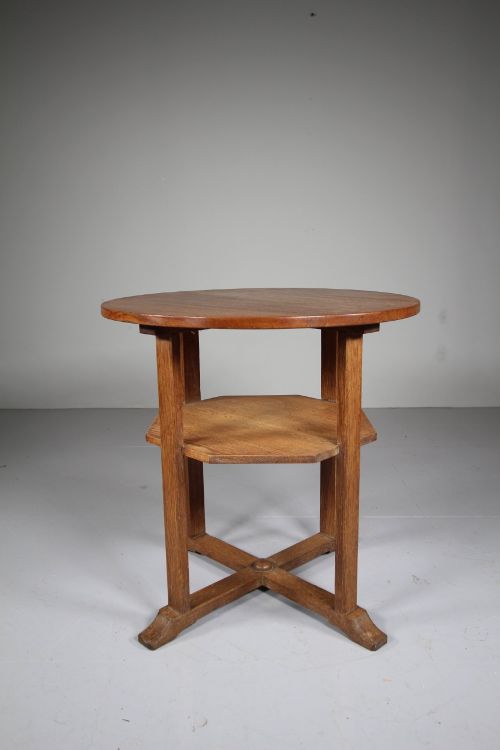
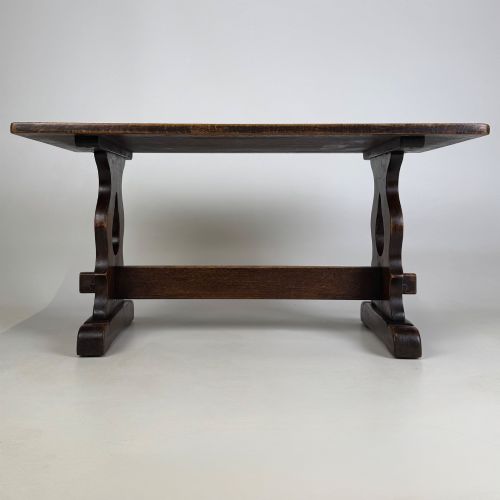
These arts and crafts coffee table examples bring solid oak, glazed tiles and honest joinery straight into a modern sitting room.
Arts and Crafts Coffee Table
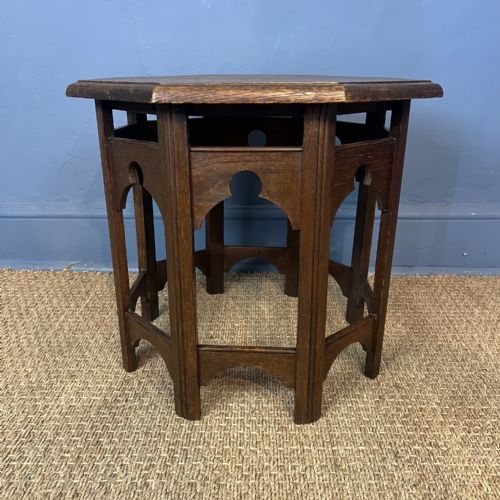
An arts and crafts coffee table unites utilitarian strength with simple, honest design principles rooted in the late nineteenth and early twentieth centuries. You will frequently encounter forms adapted from earlier plant stands, occasional tables and octagonal side tables.
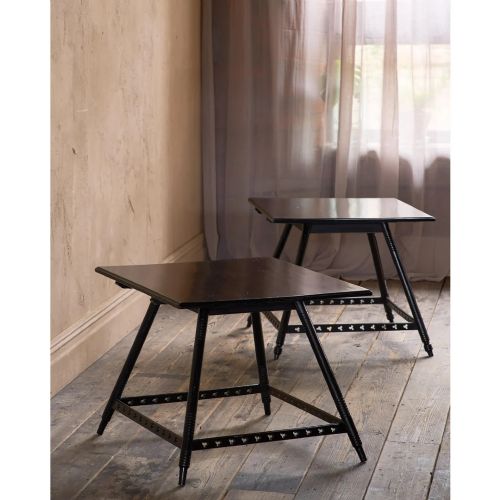
The pieces on this page span several decades, reaching from the eighteen-eighties through the Edwardian era and into nineteen-thirty. Oak forms the backbone of these listings, often accompanied by ebonised wood, walnut, ashwood and ceramic tile tops.
Materials and construction methods
Solid timber dominates the evidence, with oak and walnut providing sturdy frames for heavy usage. Makers utilised pegged joints and visible construction details rather than hiding how the furniture was put together.
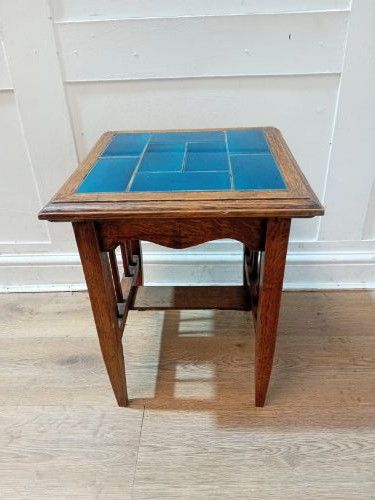
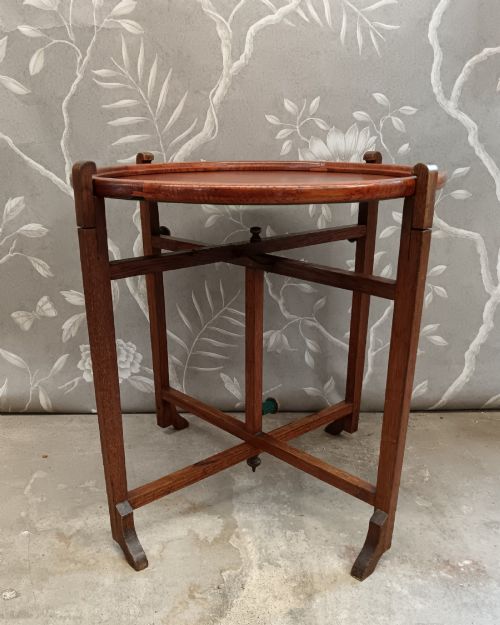
Insets of ceramic tiles, copper and brass frequently appear on table tops to provide durable, decorative surfaces. Folding mechanisms, dropleaf designs and porcelain castors added practical versatility to these domestic pieces.
Some folding card tables cleverly double up for evening games and morning coffee.
Assessing craftsmanship and design
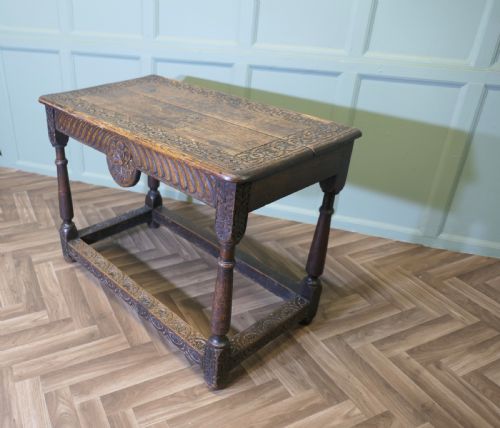
The distinction between standard production and finer work lies in the handling of materials and decorative motifs. Hand-carved elements, Celtic revival detailing and specific maker attributions elevate certain pieces above simple utility.
Structural integrity depends on the quality of the timber and the tightness of the joinery. Tables featuring integrated ceramic tiles or metal inlays require careful inspection of the surrounding wood to judge the overall execution.
Liberty of London·Heals
The Arts and Crafts Coffee Table Glossary
- Arts and Crafts
- A design movement prioritising traditional craftsmanship, simple forms and honest materials over mass production. It emerged in the late nineteenth century and heavily influenced domestic furniture.
- Oak
- A durable, heavy hardwood commonly utilised in early twentieth-century furniture making. Its prominent grain pattern suits the straightforward aesthetic of this period.
- Tile Top
- A tabletop inset with glazed ceramic tiles to create a heat-resistant and decorative surface. These tiles often feature geometric or floral motifs.
- Octagonal
- Having eight sides and eight angles. This geometric shape frequently appears in the tabletops and stands of the period.
- Ebonised Wood
- Timber treated with a finish to imitate expensive ebony. It provides a dark, uniform surface seen on several nineteenth-century pieces.
Arts and Crafts Coffee Table: Frequently Asked Questions
Are these tables sturdy enough for daily use?
Most examples utilise solid oak or walnut construction with pegged joints designed to withstand heavy domestic demands.
Their robust frames make them well suited for practical placement in modern living spaces.
How do I identify an arts and crafts table?
Look for honest construction methods, exposed joinery, and a general absence of excessive ornamentation.
Materials like solid oak, ceramic tile insets and hammered copper frequently point towards this aesthetic.
Can I find folding versions of these tables?
Several pieces in the records feature revertable folding mechanisms or dropleaf designs.
These flexible formats allowed Victorian and Edwardian households to adapt their living areas quickly.
What periods do these coffee tables date from?
The listings encompass items produced from the late nineteenth century through the Edwardian period and up to nineteen-thirty.
Earlier nineteenth-century influences also appear alongside later modernist transitions.