




Art Nouveau Wood Carving
These art nouveau wood carving pieces bring flowing floral lines and organic forms straight into everyday rooms.
Art Nouveau Wood Carving
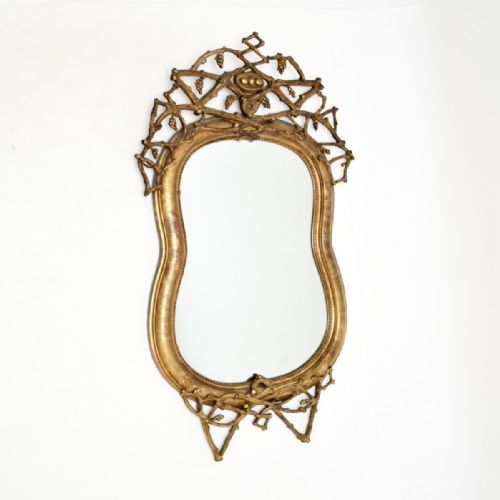
Art nouveau wood carving encompasses furniture, mirrors, and decorative objects shaped by the sinuous, plant-inspired lines characteristic of the turn of the twentieth century. These pieces emerge from periods spanning the late nineteenth century through the Edwardian era, incorporating styles such as French Art Nouveau, Arts and Crafts, and Italian Rococo Revival.
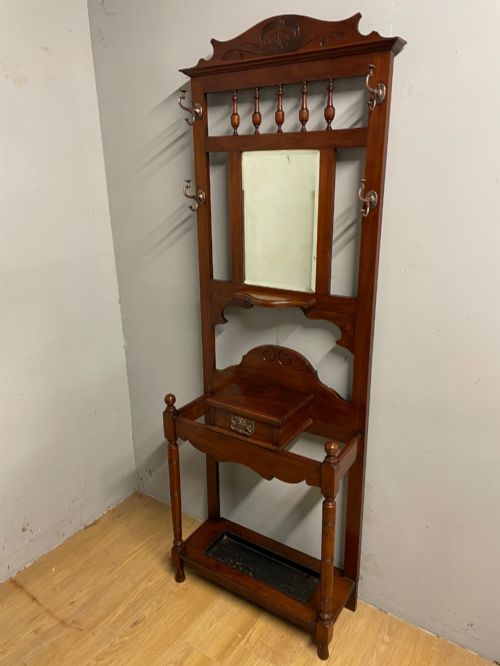
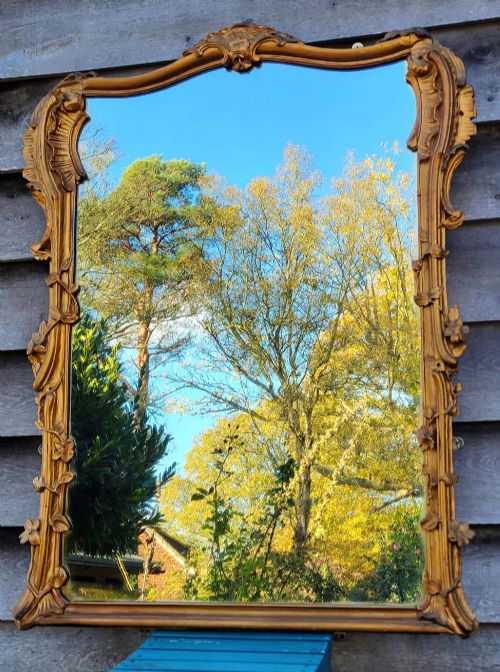
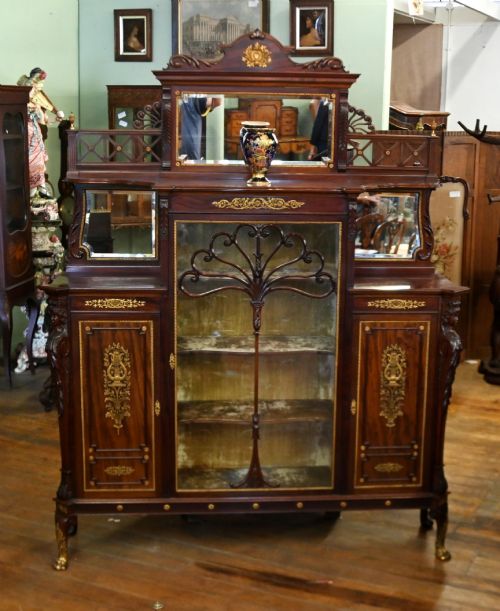
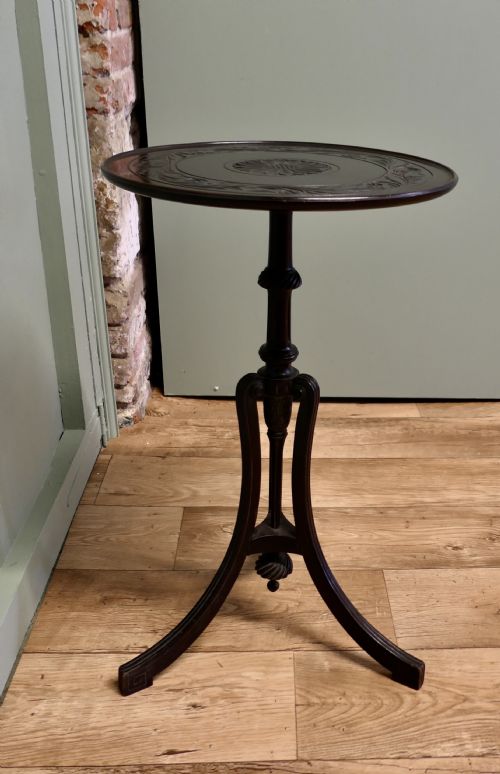
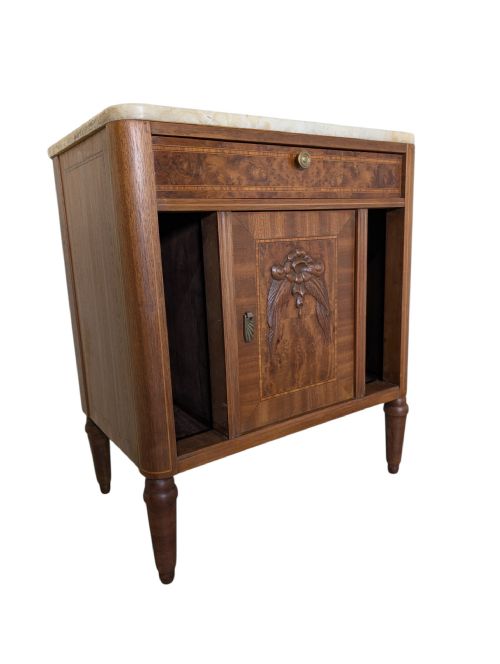
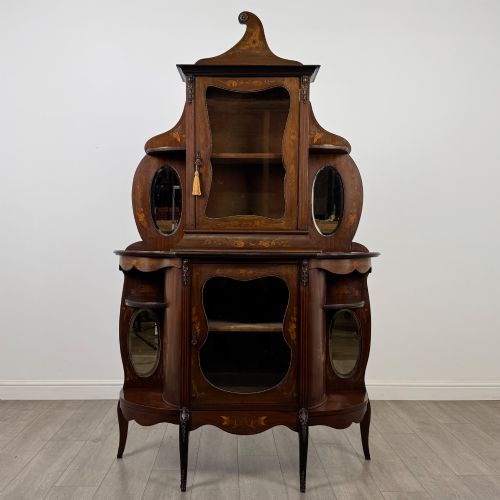
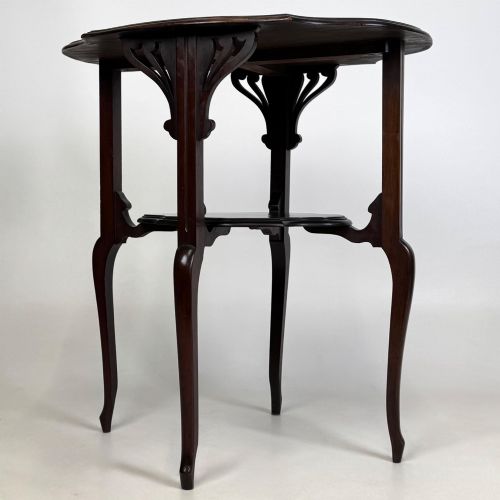
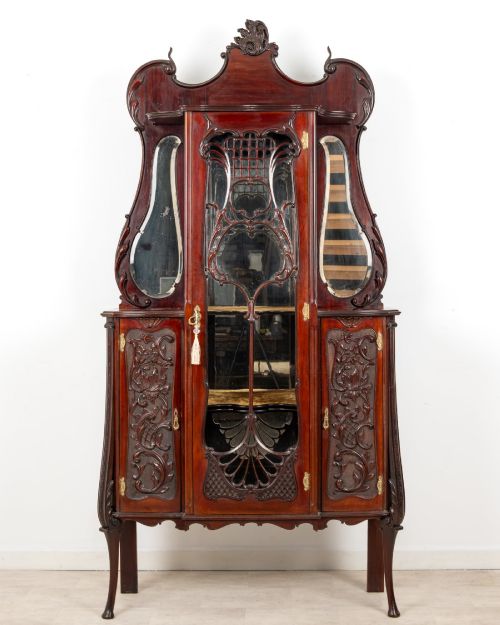
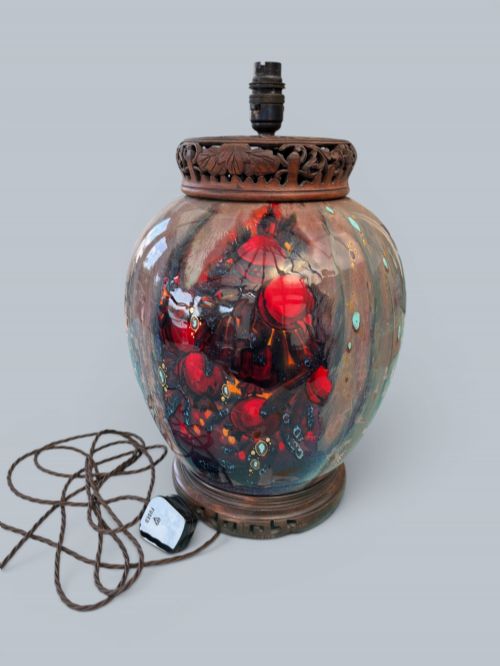
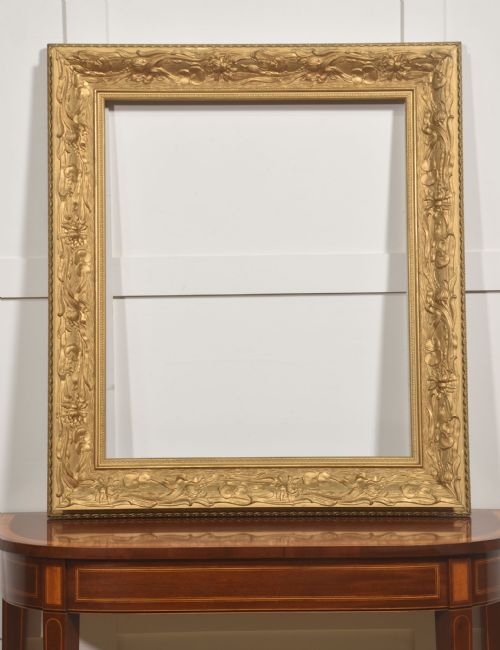
Buyers will most frequently encounter domestic furnishings and wall pieces on this page, including display cabinets, side tables, armchairs, and carved frames. Woods like mahogany, oak, walnut, and limewood dominate the selection, often complemented by brass, glass, and mirror elements.
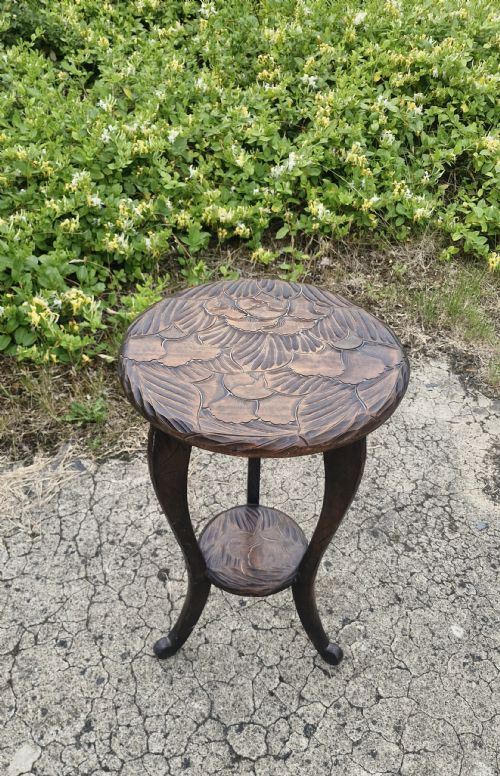
The objects serve both decorative and functional roles in domestic interiors, ranging from tall jardiniere stands and music cabinets to revolving bookcases and salon chairs. Each piece reflects the international reach of the design movement, from English workshop interpretations to continental European creations.
How they were made
Craftsmen utilised seasoned hardwoods such as mahogany, walnut, oak, and limewood to achieve deep, sculptural relief without splitting along the grain. These timbers were selected for their stability and grain pattern, allowing intricate floral tendrils and asymmetric whiplash curves to be hand-chiseled directly into structural panels and frames.
Joinery techniques combined traditional cabinet-making methods with applied fretwork and inlaid contrasting timbers to accentuate the organic motifs. Many surfaces received fine sanding and polishing to highlight the natural warmth of the wood, while specialised panels integrated carved details into functional doors, mirror surrounds, and table tiers.
Art Nouveau Wood Carving Retail Price Guide 2026
Typical asking prices for art nouveau wood carving among the pieces listed under this phrase on Sellingantiques today, from the lower quarter to the upper quarter. They describe what is for sale here now, not the wider market.
Listings feature oak, mahogany, walnut, and limewood across Victorian, Edwardian, and 1900 periods.
What varies in quality
The depth and fluidity of the hand-carved relief separate standard production items from masterworks executed by renowned designers and workshops. Superior pieces display crisp, undercut foliage and harmonious proportions where the carved ornamentation integrates structurally with the furniture form rather than appearing merely applied.
The selection of timber grain and the precision of the joinery dictate the longevity and visual coherence of each item. Finer examples maintain original surface patination and meticulous inlay work, whereas simpler iterations rely on repetitive machine-moulded details rather than bespoke hand-chising.
Bulstrode Cambridge·Liberty's·Fischel·Hans Müller·Gabriel Viardot·Louis Majorelle
The Art Nouveau Wood Carving Glossary
- Whiplash line
- A characteristic undulating, asymmetric curve resembling the lash of a whip, defining art nouveau ornamentation. This flowing motif appears across carved wooden panels, mirror frames, and furniture supports.
- Jardiniere stand
- A tall, freestanding plant holder designed to display indoor foliage at varying heights. These stands often feature carved wooden stems and tiered platforms typical of the period.
- Fretwork
- Ornamental design created by cutting intricate patterns through thin boards of wood using a piercing saw. It adds delicate textural contrast to panels and table skirts.
- Inlay
- A technique where pieces of contrasting wood or materials are inserted into recessed cavities to form decorative patterns. This method enhances table tops and cabinet doors with geometric or floral designs.
Art Nouveau Wood Carving: Frequently Asked Questions
How do I identify genuine art nouveau carving?
Look for characteristic whiplash lines, asymmetric plant motifs, and hand-chiseled relief work integrated into the wooden structure. Genuine pieces from the period typically display natural wear and traditional joinery consistent with turn-of-the-century cabinet making.
Examine the back and underside of the piece for construction methods and timber ageing that align with Victorian and Edwardian manufacturing techniques. Maker signatures or workshop stamps on frames and furniture carcasses further verify authenticity.
Where should I place these carved pieces?
These decorative items suit living rooms, halls, and studies where their organic shapes can contrast with clean architectural backgrounds. Freestanding plant stands, side tables, and small display cabinets function well as focal points in period or eclectic interiors.
Ensure carved wooden surfaces remain away from direct heat sources and strong sunlight to prevent the timber from drying and splitting. Regular dusting with a soft cloth maintains the natural finish without requiring heavy polishes.
What woods were commonly used?
Cabinet makers predominantly utilised mahogany, oak, walnut, and limewood for their durability and responsive grain. These dense hardwoods allowed artisans to execute deep, flowing relief carvings without fracturing the material.
Softer or lighter woods occasionally appear in painted or gilded mirror frames, while high-end furniture relied on figured mahogany and walnut veneers alongside solid carved structural elements.
Are these items suitable for daily use?
Most items, including side tables, cabinets, and dining chairs, were engineered for domestic utility and withstand normal everyday use. Sound joinery and robust timber selection ensure structural stability despite their delicate appearance.
Delicate fretwork panels and projecting carved motifs require careful handling to avoid accidental impacts. Using coasters and placing items out of high-traffic transit paths preserves the antique woodwork.