






Art Nouveau Trinket
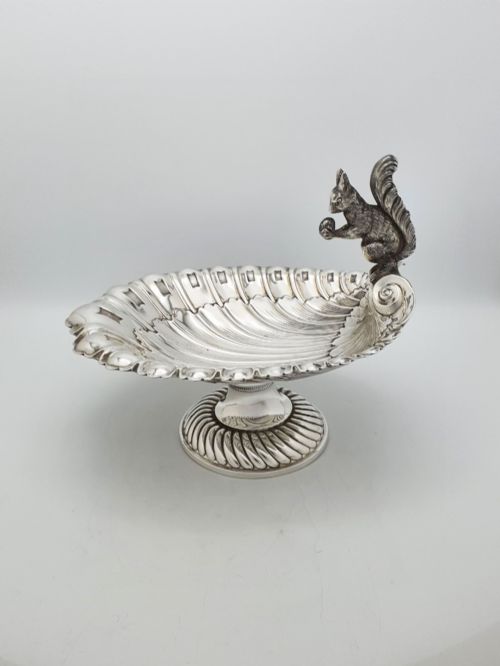
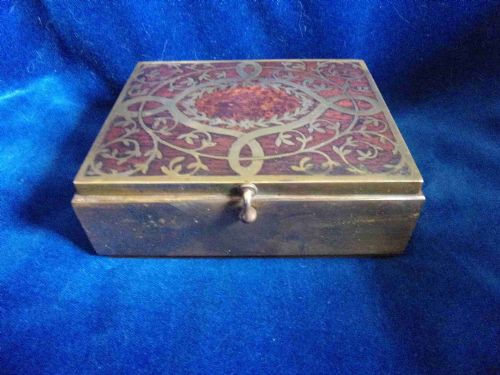
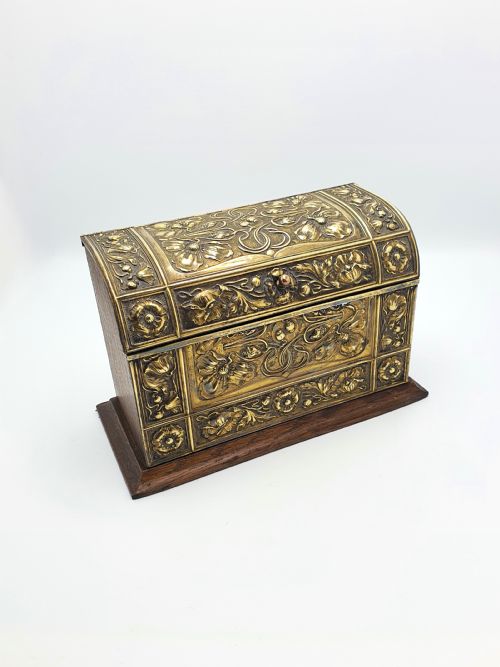
Art nouveau trinket pieces bring organic fluid lines to small containers and dishes, offering a tactile way to store precious items.
Art Nouveau Trinket
An art nouveau trinket encompasses small containers, boxes, and bowls shaped by the flowing natural motifs typical of the turn of the twentieth century.
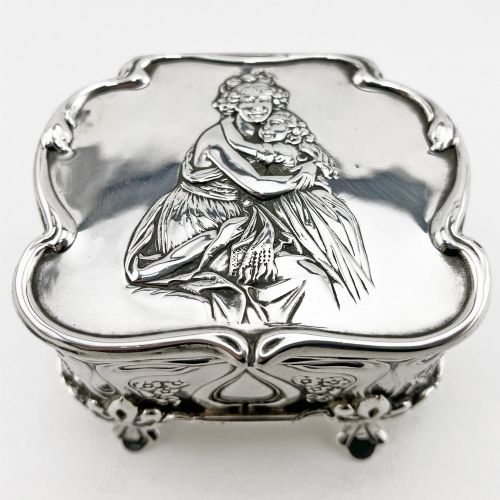
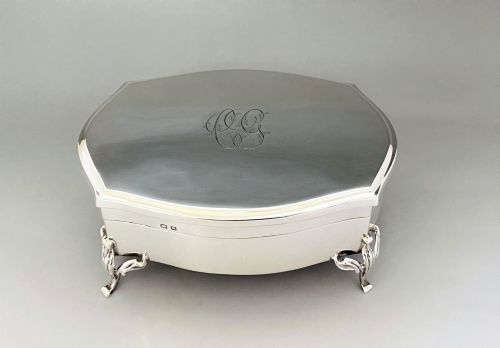
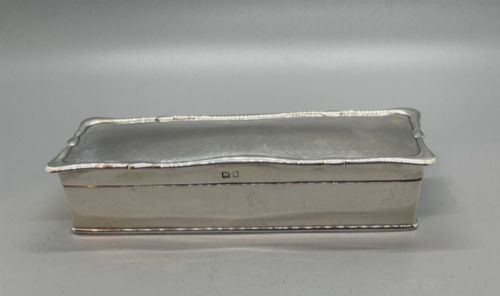
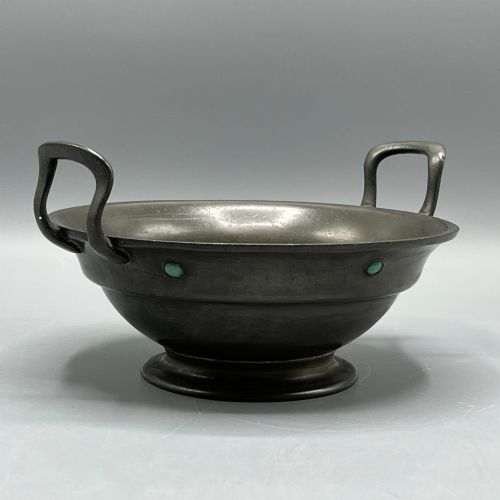
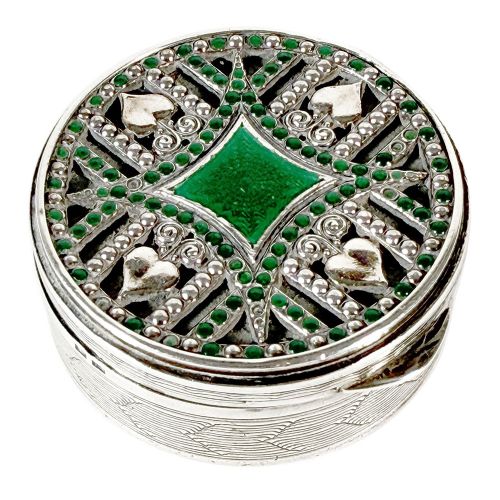
The version most commonly met on this page is the sterling silver or pewter box, often hallmarked from Edwardian assay offices.
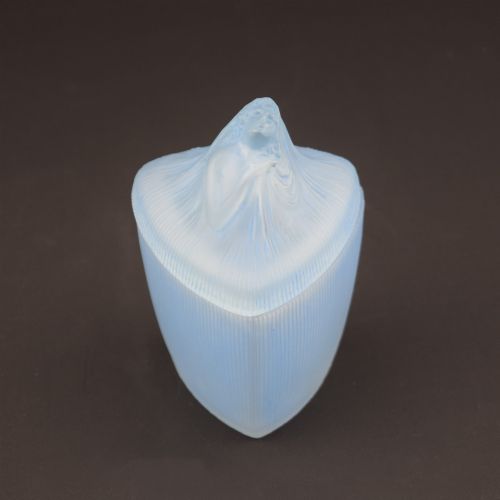
These pieces also appear as glass jars, porcelain figures, and bronze caskets spanning the Victorian era through the nineteen twenties.
Materials and construction
Metals such as sterling silver, pewter, and gilt bronze undergo casting, piercing, and repoussé work to form intricate botanical panels and figural lids.
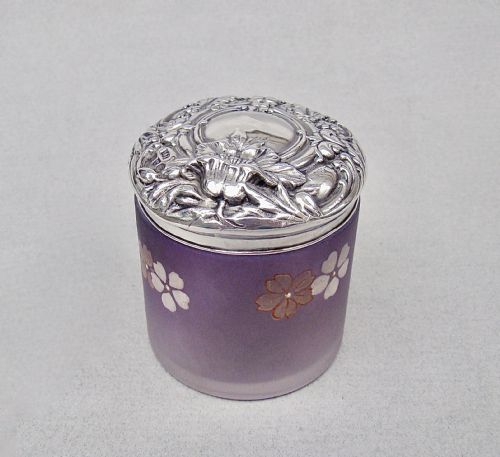
Glass elements utilise moulding and acid-etching techniques to create frosted or opalescent panels, while enamel adds vibrant colour to metal surfaces.
Art Nouveau Trinket Retail Price Guide 2026
Typical asking prices for art nouveau trinket among the pieces listed under this phrase on Sellingantiques today, from the lower quarter to the upper quarter. They describe what is for sale here now, not the wider market.
Listings feature sterling silver, pewter, and frosted glass across Victorian, Edwardian, and Art Deco periods.
Judging the work
Quality rests upon the crispness of the organic casting and the depth of hand-chased detail on the metal surfaces.
The integration of secondary materials, such as fitted glass liners, cabochons, and enamel panels, elevates the standard of the piece.
Rene Lalique·Liberty and Co·George Adam Scheid·William Hutton·Royal Dux
The Art Nouveau Trinket Glossary
- Repoussé
- Metalworking technique where a design is hammered into relief from the reverse side. This method defines many detailed silver boxes.
- Jugendstil
- The continental European manifestation of the Art Nouveau movement. It heavily influences the geometric and organic metalwork from German and Austrian makers.
- Cabochon
- A gemstone or piece of glass shaped and polished brightly rather than faceted. These often accent pewter bowls and boxes.
- Vide poche
- French term meaning empty pocket, describing a small dish or tray used for holding pocket contents. These appear frequently in figural bronze and ceramic forms.
- Tudric
- The trade name used by Liberty and Co for their range of pewter ware. It identifies distinctive organic designs from the early twentieth century.
Art Nouveau Trinket: Frequently Asked Questions
How do I clean tarnished silver boxes?
Use a soft microfibre cloth with a mild silver polish, taking care around hinged mounts and delicate relief work.
Avoid abrasive dips that can strip away the antique patina and damage inset enamel or glass panels.
Were these boxes meant for jewellery?
Many smaller containers were designed specifically to hold rings, pins, and delicate necklaces on a dressing table.
Others served multipurpose roles as pill boxes, stamp cases, or general receptacles for small personal effects.
How do I spot a pewter reproduction?
Examine the weight, surface texture, and underside markings for authentic period stamps rather than modern cast finishes.
Genuine pieces from makers like WMF or Liberty show the soft oxidation and tooling marks expected of early manufacturing.
Can I use glass jars daily?
Frosted and opalescent glass jars suit gentle daily use on a vanity, provided you handle the lids with care.
Inspect the seating edges for tiny nicks, and hand wash them cautiously without soaking metal mounts.