




Art Nouveau Silver Plated
When you handle art nouveau silver plated objects, you touch the flowing organic lines and botanical motifs that defined the turn of the twentieth century.
Art Nouveau Silver Plated
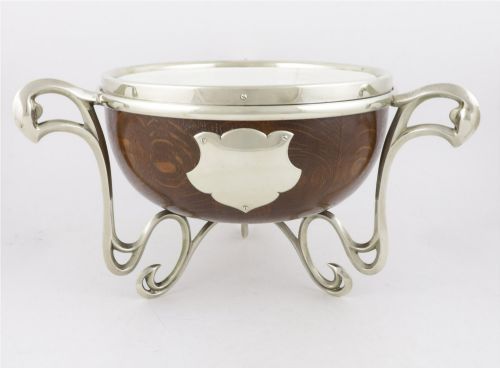
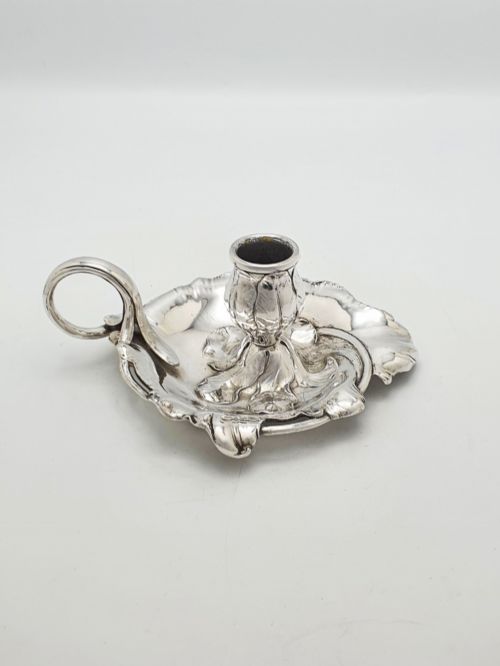
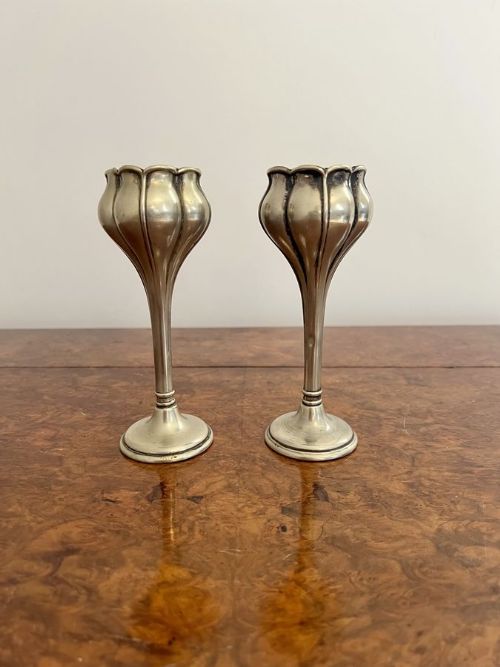
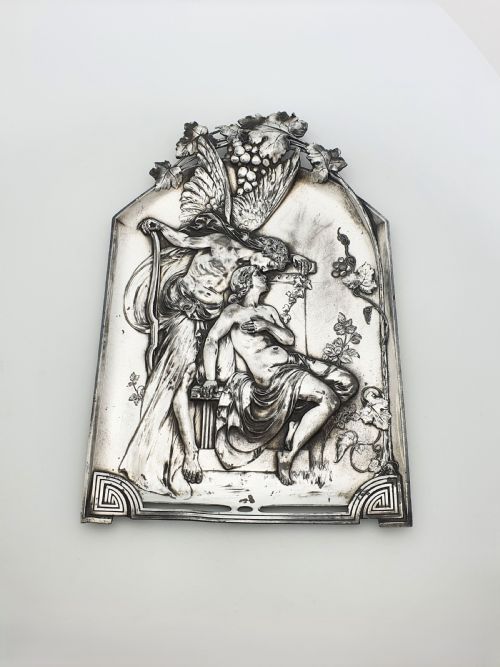
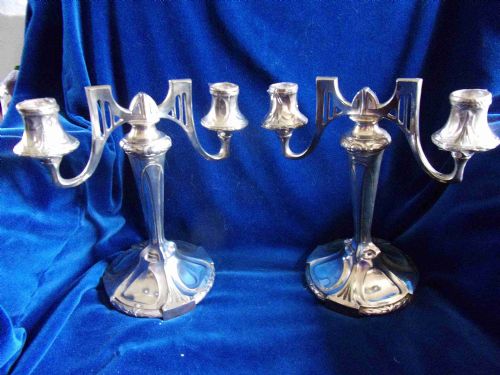
Art nouveau silver plated pieces encompass a broad range of domestic and decorative objects produced primarily around the late nineteenth and early twentieth centuries. These items showcase the characteristic whiplash lines, stylised flower heads, and tendrils associated with the movement.
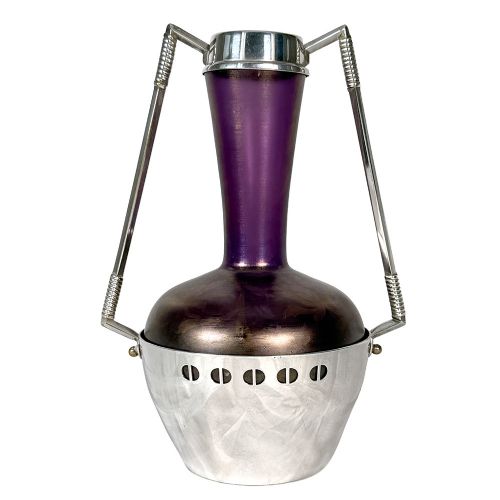
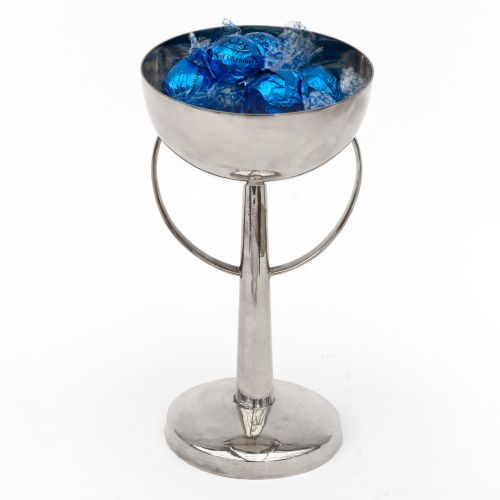
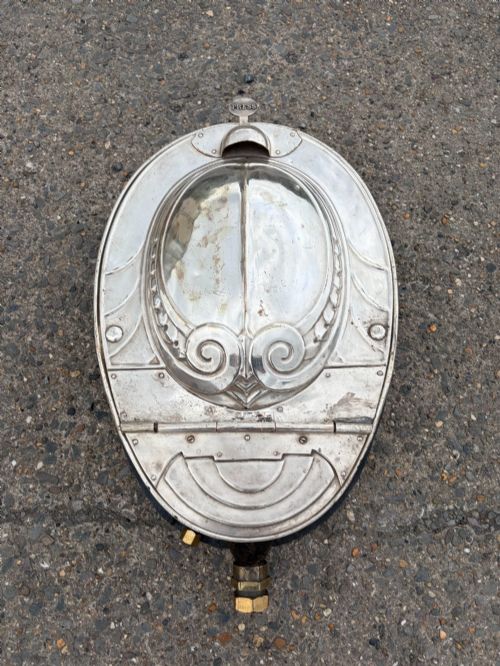
You will frequently encounter tablewares such as centrepieces, bon bon dishes, claret jugs, and vases alongside desk accessories and wall plaques. Many survive from continental makers, bringing distinct Jugendstil and Secessionist influences to the British market.
Materials and Method
The foundation of these objects typically relies on base metals, brass, or pewter which then received a durable layer of silver plating. Silvered pewter also appears frequently, offering a softer grey metallic lustre well suited to organic figural designs.
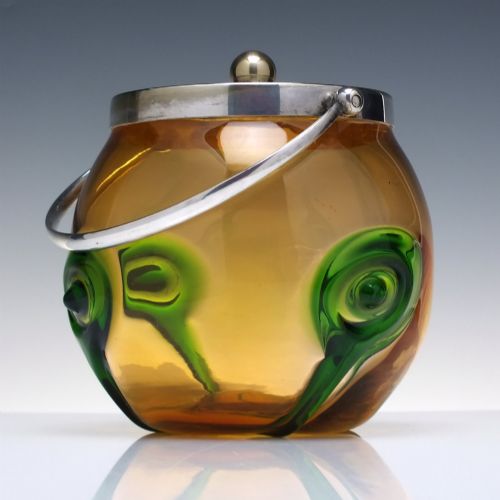
Many hollowware vessels and decorative stands incorporate contrasting coloured glass inserts, such as green vaseline glass or ruby glass, held securely within pierced or cast metal mounts.
Art Nouveau Silver Plated Retail Price Guide 2026
Typical asking prices for art nouveau silver plated among the pieces listed under this phrase on Sellingantiques today, from the lower quarter to the upper quarter. They describe what is for sale here now, not the wider market.
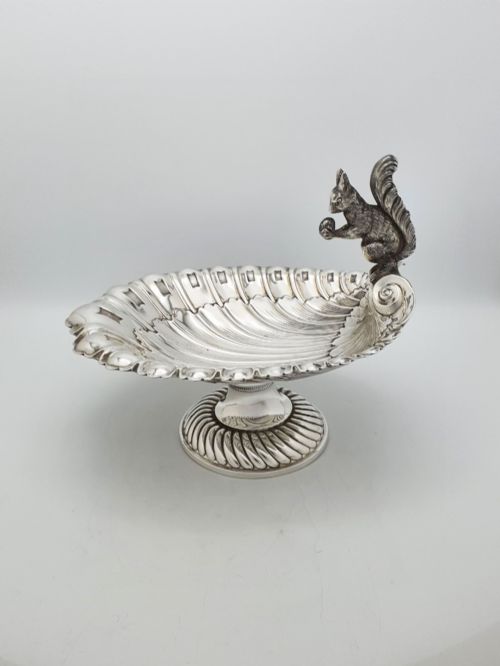
Squirrel nut dishes and cheeky maiden figures remind us that Edwardian dining tables possessed a delightfully theatrical sense of humour.
Assessing Quality
Quality rests heavily on the crispness of the chasing and the depth of the relief work, where superior examples retain sharp botanical details and smooth undulating surfaces. Lesser pieces often exhibit blurred casting lines and simplified plant forms.
The integrity of the original plating and the quality of any integrated glass components also dictate value. Well-preserved surfaces with even reflectivity show better care over time than those with extensive loss of plating.
WMF·Hukin & Heath·David Andersen·Mappin & Webb·Christofle
The Art Nouveau Silver Plated Glossary
- Silver Plate
- A base metal substrate coated with a thin layer of pure silver. This technique allowed manufacturers to produce decorative domestic objects at a fraction of the cost of solid silver.
- Jugendstil
- The continental German-language variant of the Art Nouveau movement. It draws heavily on flowing natural forms and linear stylisation.
- Claret Jug
- A serving vessel for wine featuring a glass body fitted with a metal handle, collar, and hinged lid. They often incorporate elaborate plant tendril mounts.
- Epergne
- A central table decoration featuring multiple branching arms holding baskets or vases for fruit and flowers. These often combine silver plated stands with coloured glass components.
- Secessionist
- An artistic style associated with the Vienna Secession movement that favoured geometric austerity alongside organic motifs.
Art Nouveau Silver Plated: Frequently Asked Questions
How do I clean silver plated art nouveau items?
Use a soft microfibre cloth and a mild, non-abrasive silver cleaner specifically formulated for plated wares. Avoid aggressive rubbing that might wear through the thin silver layer to the base metal underneath.
Take particular care around inset glass components and delicate cast tendrils where polish can accumulate. Rinse gently with warm water and dry immediately to prevent spotting.
Were these pieces meant for daily use?
Many items such as crumb trays, baskets, and claret jugs were produced for formal dining and entertaining in middle-class and wealthy Edwardian homes. They fulfilled specific domestic functions while displaying fashionable artistic tastes.
Other objects like wall plaques, easel mirrors, and figurines served purely decorative purposes within the interior scheme.
How can I date an art nouveau object?
Examine the piece for maker's stamps, registry numbers, or retailer marks which often correspond to specific production eras between eighteen-ninety and nineteen-twenty. Stylistic clues also help narrow the timeline.
Continental pieces bearing Jugendstil or Secessionist characteristics usually date from the turn of the twentieth century, while later items often incorporate simpler transitional forms.
What is silvered pewter?
Silvered pewter is an alloy of tin and other metals that has been given a surface coating or wash of silver. It provides a distinct matte grey finish compared to the bright reflectivity of standard silver plate.
This material was favoured by workshops producing sculptural figural items, as it accepted soft organic modelling exceptionally well.