
Art Nouveau Gold Jewellery
Art nouveau gold jewellery brings together flowing organic lines and precious metals from the turn of the twentieth century.
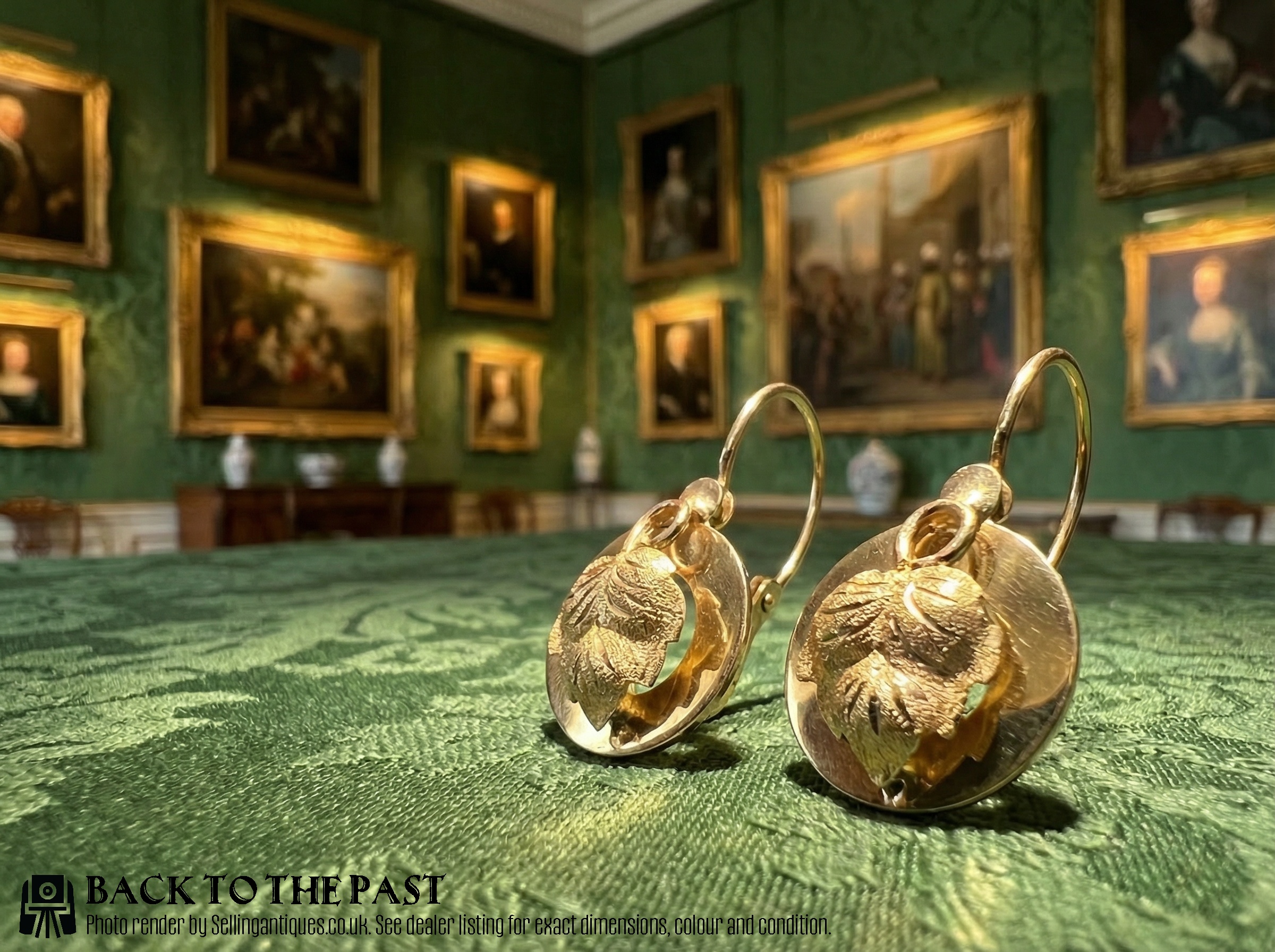
Art Nouveau Gold Jewellery
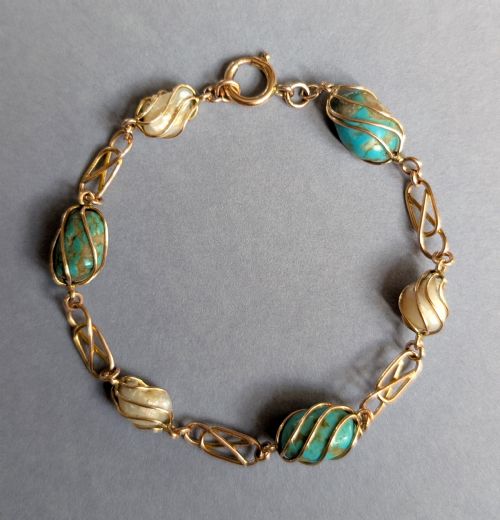
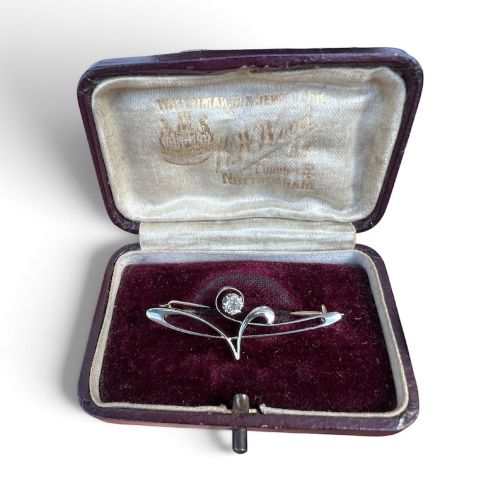
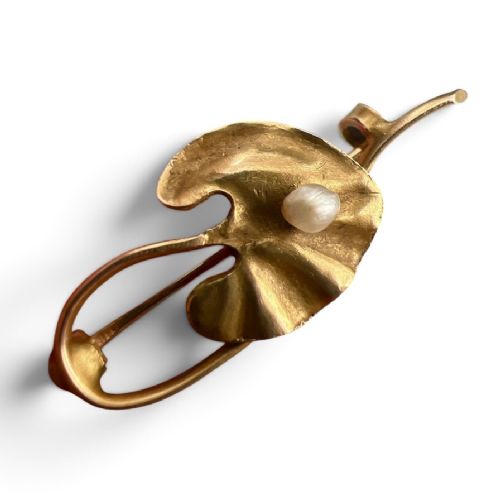
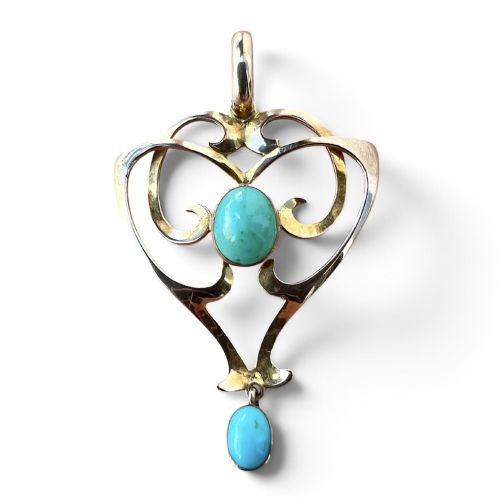
Art nouveau gold jewellery encompasses pendants, brooches, necklaces, rings, and bracelets created during the late Victorian and Edwardian eras. These pieces display distinct stylistic influences from French Art Nouveau, Arts and Crafts, and Jugendstil movements, spanning the decades around nineteen hundred.
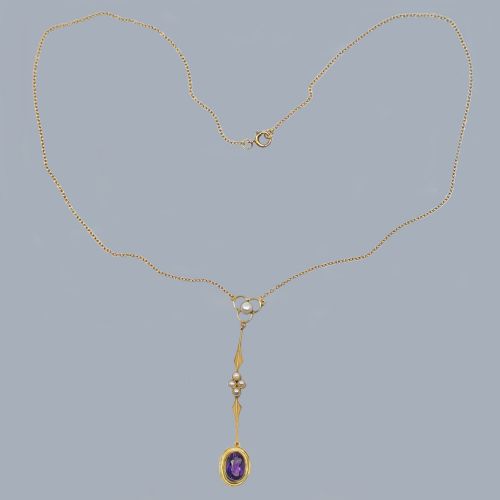
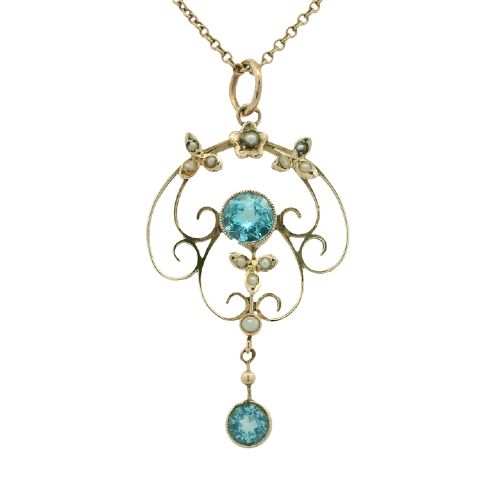
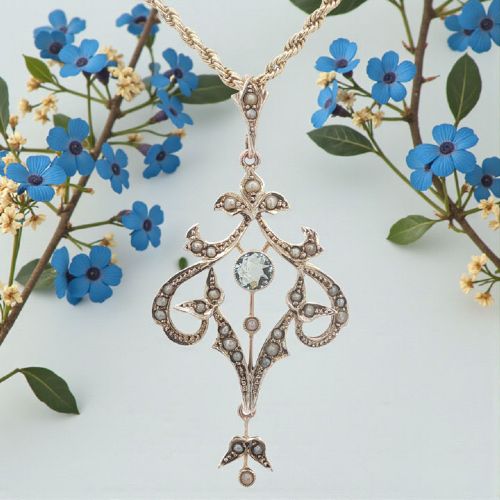
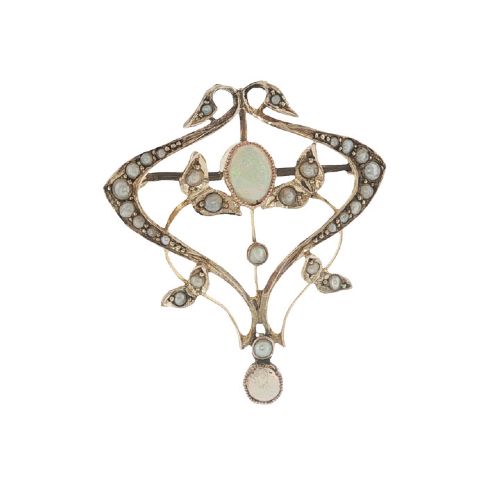
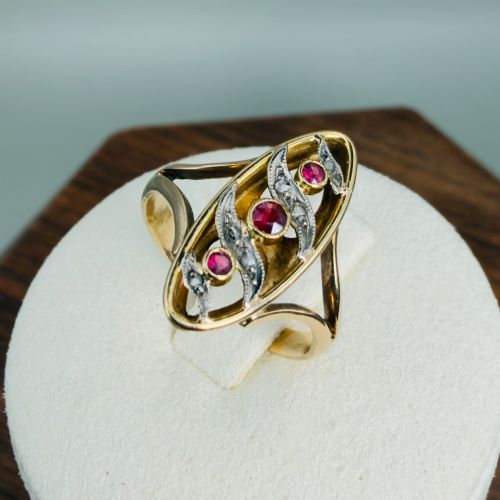
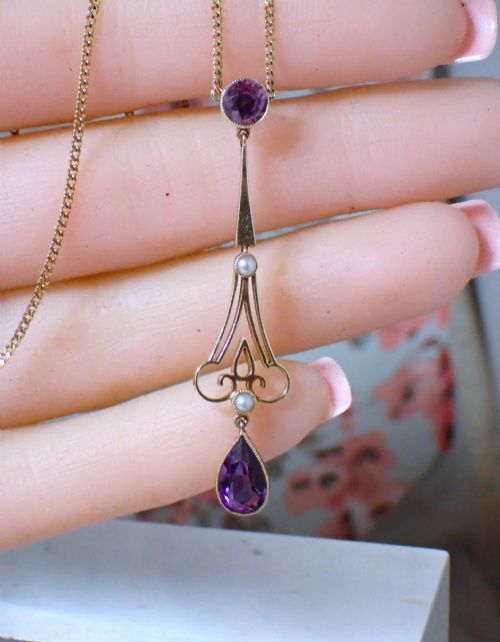
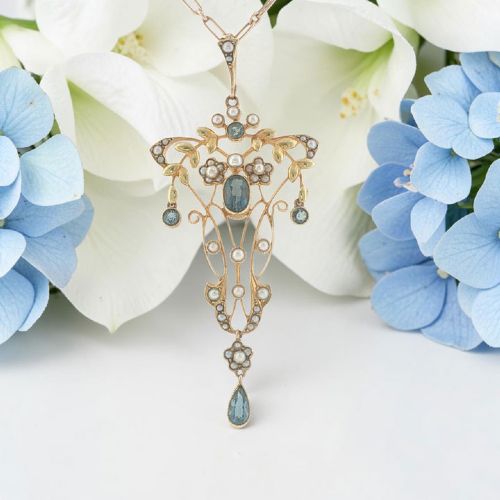
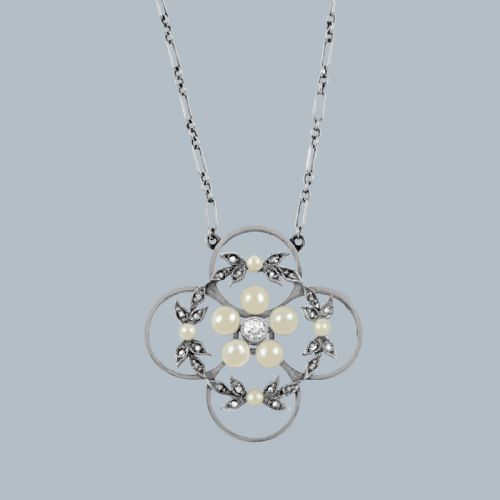
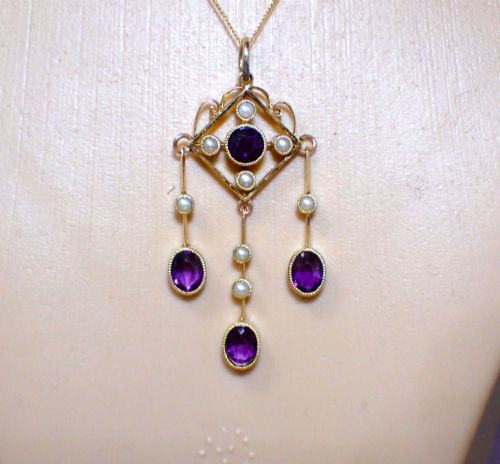
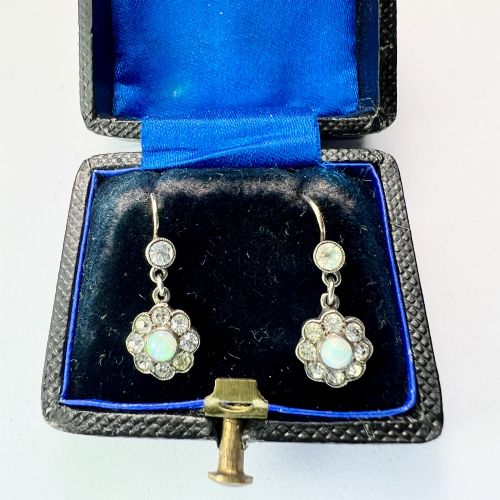
Pendants and brooches dominate the selection, frequently combining gold with pearls and coloured stones such as amethyst, aquamarine, opal, and peridot. Buyers encounter 9ct gold, 15ct gold, and 18ct yellow gold frameworks supporting intricate floral and serpentine motifs.
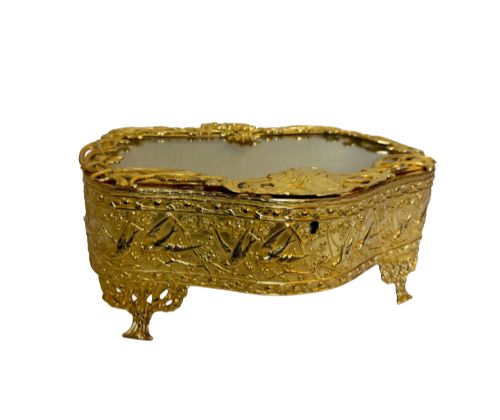
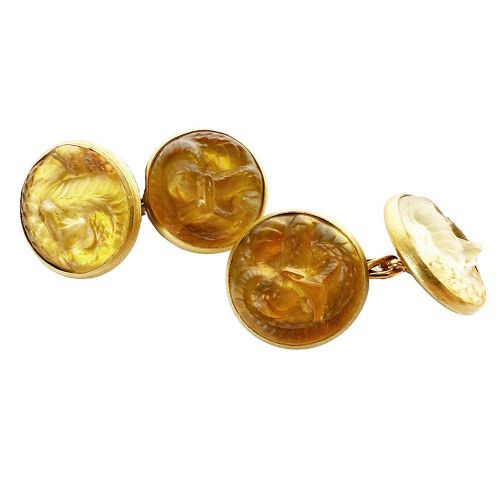
French workshops contributed specialised techniques like plique-a-jour enamel alongside religious medals and figural charms. Pieces range from delicate leaf and mistletoe designs to substantial gemstone rings and boxed jewellery sets.
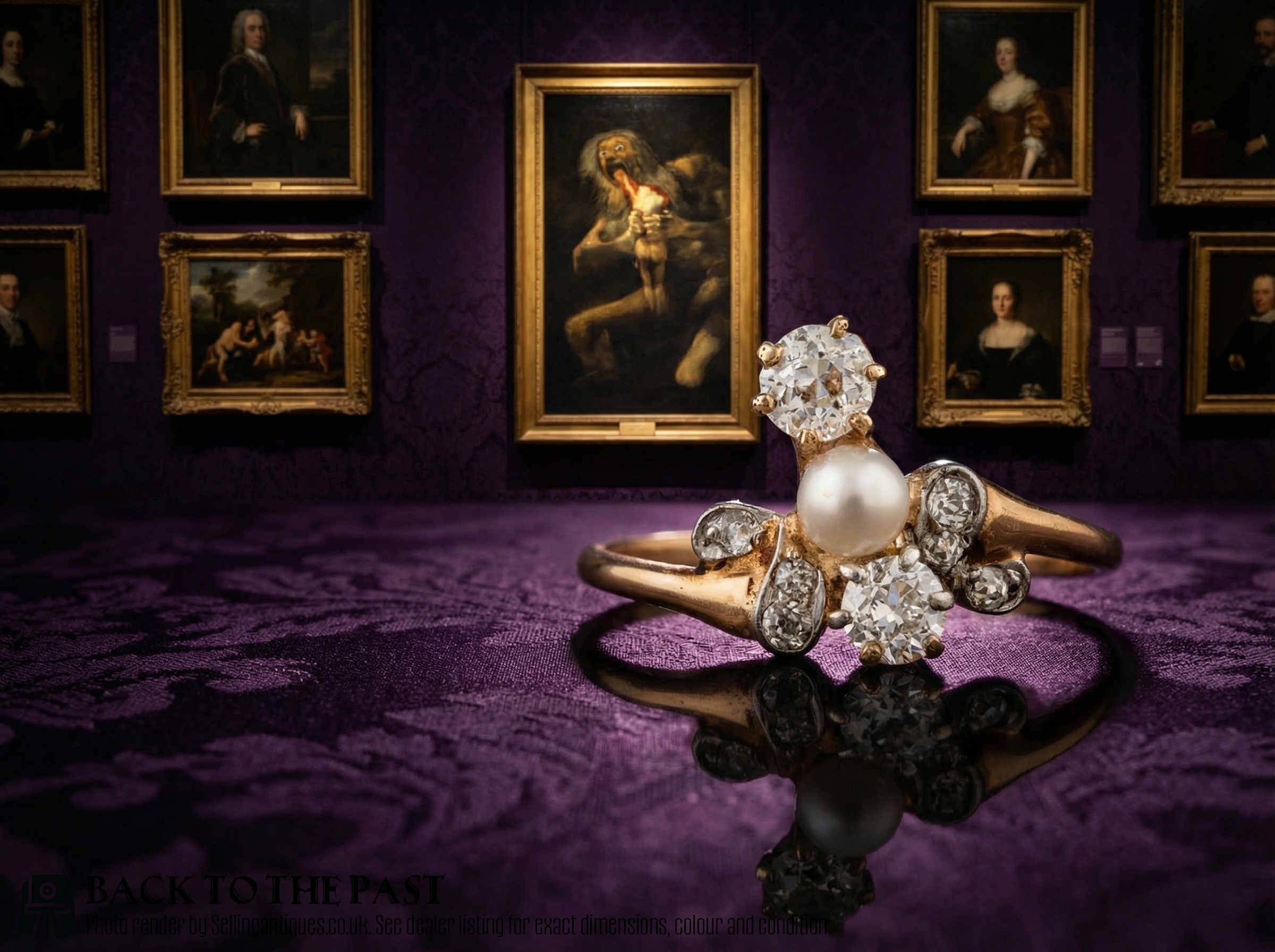
How they were made
Goldsmiths utilised varying purities of gold, predominantly 9ct, 15ct, and 18ct yellow or white gold, alongside platinum for specific mountings. Metalwork often incorporates casting and hand-working to achieve the characteristic whiplash curves and asymmetrical plant forms.
Enamelling techniques, particularly translucent plique-a-jour which resembles stained glass without a backing, bring vibrant colour to botanical subjects. Gemstones including diamonds, sapphires, garnets, turquoise, and topazes are secured alongside seed pearls and cultured pearls using traditional setting methods.
Art Nouveau Gold Jewellery Retail Price Guide 2026
Typical asking prices for art nouveau gold jewellery among the pieces listed under this phrase on Sellingantiques today, from the lower quarter to the upper quarter. They describe what is for sale here now, not the wider market.
Listings feature periods spanning from eighteen eighty to nineteen thirty, with a strong concentration around nineteen hundred and the Edwardian era.
What varies in quality
The refinement of the metalwork and the complexity of the design distinguish individual pieces within this category. Superior examples display meticulous hand-finishing on organic motifs, whilst simpler items rely on standard commercial production methods of the period.
The choice and matching of stones significantly influence distinction, with well-matched seed pearls and high-clarity peridots, amethysts, or aquramarines elevating a piece. Enamel preservation also dictates value, as intact plique-a-jour work requires exceptional skill to execute and maintain.
Deakin and Francis·R Lalique·Knoll and Pregizer·Murrle Bennett
The Art Nouveau Gold Jewellery Glossary
- Plique-a-jour
- An enamelling technique where enamel is applied to a cellular framework without a backing, allowing light to shine through the transparent material.
- Navette
- A boat-shaped gemstone cut or ring mounting that tapers to points at both ends. This elongated silhouette appears frequently in Edwardian cluster rings.
- Jugendstil
- The German manifestation of the Art Nouveau movement, characterised by dynamic linear rhythms and natural forms. It heavily influenced decorative arts around nineteen hundred.
- Seed pearl
- A very small natural or saltwater pearl, often pierced and strung or set closely together in floral and foliate jewellery designs.
- Old cut
- A diamond cutting style preceding modern brilliant cuts, featuring a smaller table, higher crown, and open culet which produces a softer candlelit sparkle.
Art Nouveau Gold Jewellery: Frequently Asked Questions
What periods do these pieces date from?
These jewels originate primarily from the late Victorian, Edwardian, and early twentieth-century periods. The majority date between eighteen ninety and nineteen twenty.
Stylistic markers align them with Art Nouveau, Arts and Crafts, and Jugendstil movements active during those decades.
How should I wear an antique pendant?
Most pendants pair well with fine gold chains that match the carat weight of the pendant mount. Ensure the chain length complements the scale of the pendant drop.
Take care to remove delicate pearl and enamel pieces before engaging in physical activities or swimming.
Are these items made from solid gold?
The pieces utilise solid gold across varying purities, most commonly 9 carat, 15 carat, and 18 carat yellow or white gold. Platinum also appears in select Edwardian mountings.
Gold standards of the era often differ from modern metrics, with 15ct gold being standard in British manufacturing before nineteen thirty-one.
How do I care for antique enamel jewellery?
Enamel requires gentle handling to prevent chipping or cracking against hard surfaces. Clean pieces using a soft cloth dampened with warm water.
Avoid immersing antique jewellery in chemical cleaning solutions or ultrasonic baths, particularly pieces featuring pearls and delicate plique-a-jour work.