



Art Nouveau Glass Lamp
An art nouveau glass lamp combines organic metallic frames with hand-blown or frosted shades to cast a warm, atmospheric glow in any room.
Art Nouveau Glass Lamp
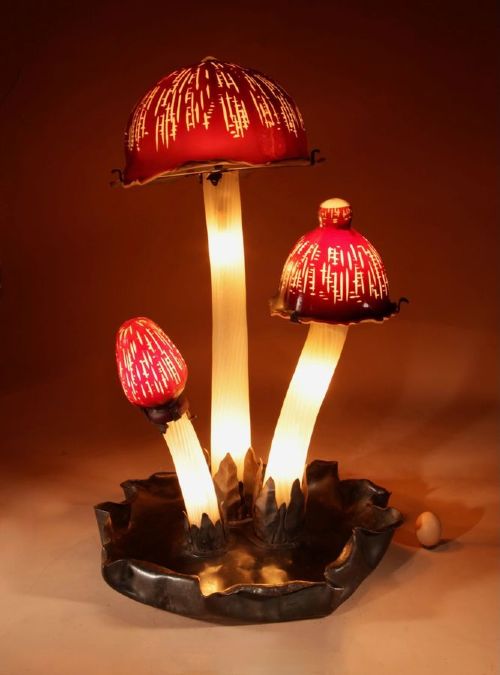
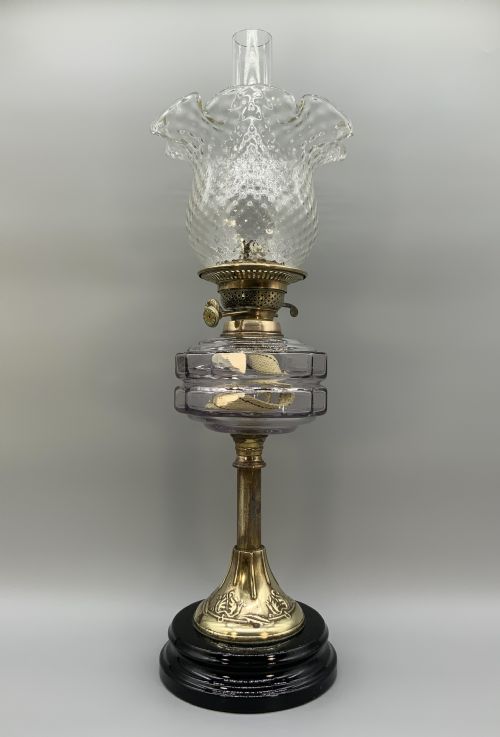
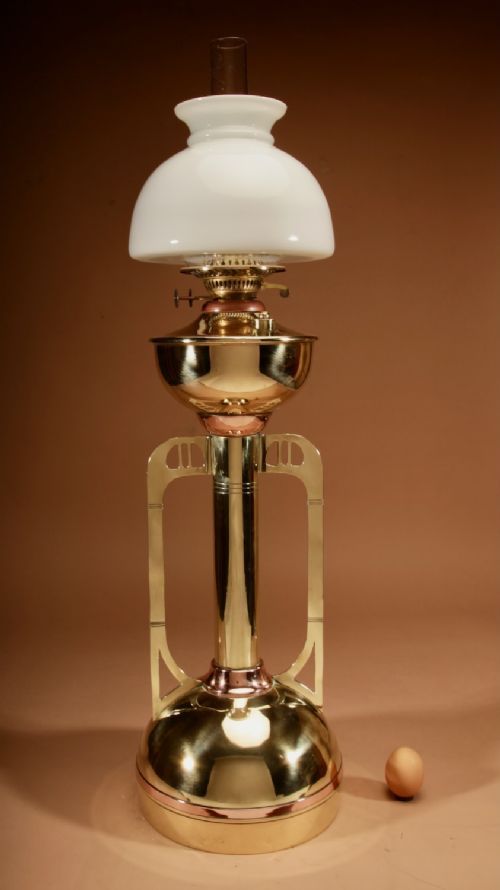
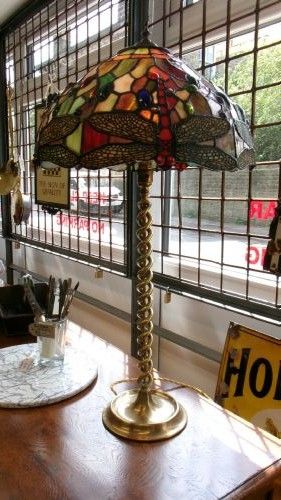
When searching for an art nouveau glass lamp, buyers encounter a diverse selection of lighting fixtures originating predominantly from the late nineteenth century through the early decades of the twentieth century. These pieces encompass table lamps, standard floor lamps, desk lamps, and various ceiling fittings such as chandeliers, lanterns, and wall sconces.
The aesthetic bridges the Victorian period into Edwardian times, with strong representations of French Art Nouveau, Secessionist, and Arts and Crafts styles. Most examples pair a structural metal element with a distinctive glass shade, often taking the form of oil lamps converted for electricity or lighting designed specifically for early electric currents.
How they were made
Makers utilised structural metals such as brass, bronze, copper, and wrought iron to construct the stems, bases, and frames of these lights. These metals were cast, beaten, or twisted into fluid, plant-inspired lines that mimic the stems and tendrils of natural flora.
The glass components were produced through techniques including hand-blowing, enamelling, and etching, resulting in frosted, iridescent, or coloured shades. Workshops frequently combined leaded glass, milk glass, or vaseline glass with metal armatures to create harmonious organic compositions.
Art Nouveau Glass Lamp Retail Price Guide 2026
Typical asking prices for art nouveau glass lamp among the pieces listed under this phrase on Sellingantiques today, from the lower quarter to the upper quarter. They describe what is for sale here now, not the wider market.
Several mischievous bronze dragons and cherubs guard the metal stems, ensuring your reading corner comes with a side of Victorian theatre.
What varies in quality
Quality in these lighting fixtures rests upon the artistic synergy between the metalwork and the glass shade, alongside the weight and finish of the materials. Heavier cast bronzes and crisply worked brass frames indicate superior craftsmanship compared to lighter, stamped sheet metal alternatives.
The execution of the glass work dictates the upper tier of the range, where complex cameo carving, layered enamel landscapes, or distinct iridescence distinguish notable studio output from standard commercial production.
Gustave Serrurier Bovy·Georges Leleu·F And C Osler·Daum·The Charles Parker Company·Tiffany Studios·Auguste Moreau·Palme Konig·Loetz
The Art Nouveau Glass Lamp Glossary
- Vaseline glass
- Glass containing uranium dioxide that exhibits a characteristic yellow-green fluorescence under ultraviolet light. It appears frequently in period shades and bowls.
- Secessionist
- A style of design associated with Central European artists who broke away from traditional academic institutions. It favours geometric linearity alongside organic curves.
- Cameo glass
- An ancient technique revived during this era involving multiple layers of coloured glass acid-etched or carved away to create relief designs. It requires exceptional skill from the glassmaker.
- Spelter
- An alloy of zinc and other metals cast into decorative figures and bases during the period. It served as a cheaper alternative to solid bronze.
- Iridescent glass
- Glass treated with metallic salts while hot to produce a shimmering, rainbow-like surface sheen. This effect mimics natural phenomena on ancient glass vessels.
Art Nouveau Glass Lamp: Frequently Asked Questions
Were these lamps originally electric?
Many surviving examples began as oil lamps before being converted to accept electrical fittings during the twentieth century. This transition is standard for pieces dating from the late nineteenth century.
Original oil reservoirs, burners, and chimneys are frequently retained alongside modern wiring to preserve the historical integrity of the fixture.
How do I identify a period shade?
Period glass typically displays hand-finished characteristics such as polished pontil marks, irregular thickness, and subtle bubble inclusions from the blowing process. The mounting collars are generally ground smooth by hand rather than machine-cut.
Stylistic motifs like stylised flowers, insect wings, and undulating natural forms help differentiate genuine period production from later reproductions.
Can these ceiling lights be adjusted?
Certain ceiling fixtures include rise and fall mechanisms featuring weights and pulleys to alter the hanging height. These functional elements allowed users to lower the light over a table as needed.
Counterbalance arms and adjustable brass standard lamps also provide mobility for reading or task lighting.
How do I care for antique glass?
Dust glass shades gently with a soft, dry cloth to prevent accumulation on textured or iridescent surfaces. Avoid harsh chemical cleaners that can strip enamelled decoration or delicate metallic finishes.
Metal components benefit from occasional light dusting without commercial polishes, which can remove authentic patination accumulated over decades.