



Art Nouveau Floral Pot
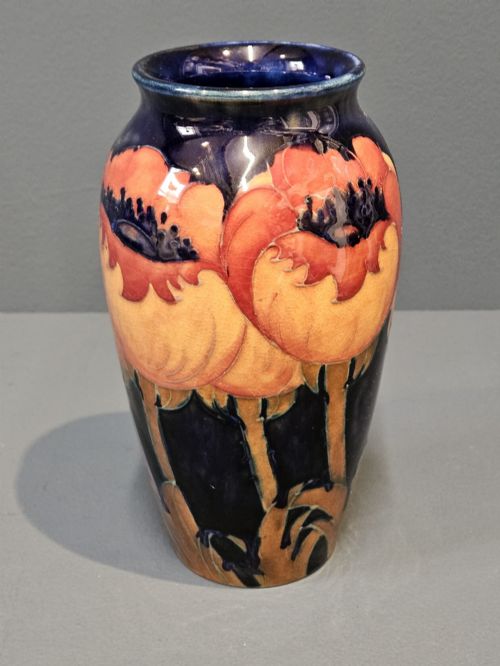
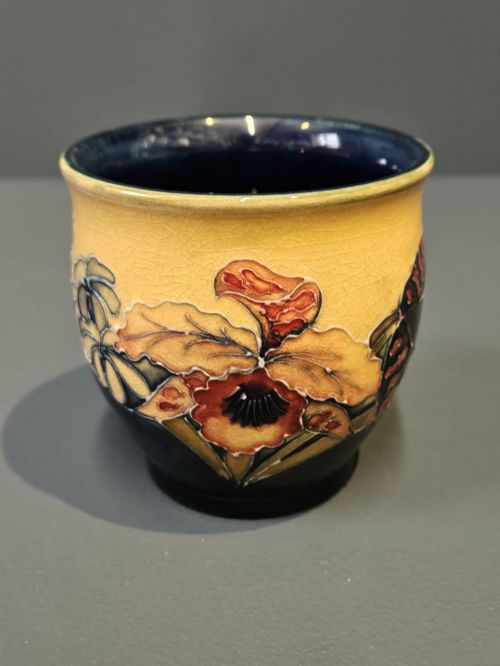
These art nouveau floral pots bring organic plant forms and fluid botanical motifs directly into domestic interiors through glazed ceramics and metalwork.
Art Nouveau Floral Pot
When you search for an art nouveau floral pot, you encounter items shaped by natural plant motifs from the late nineteenth and early twentieth centuries. These vessels draw on the aesthetic movements of the Victorian, Edwardian, and Arts and Crafts periods, incorporating botanical styling into everyday objects.
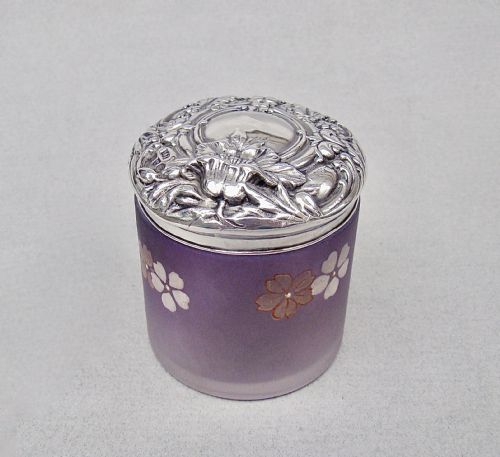
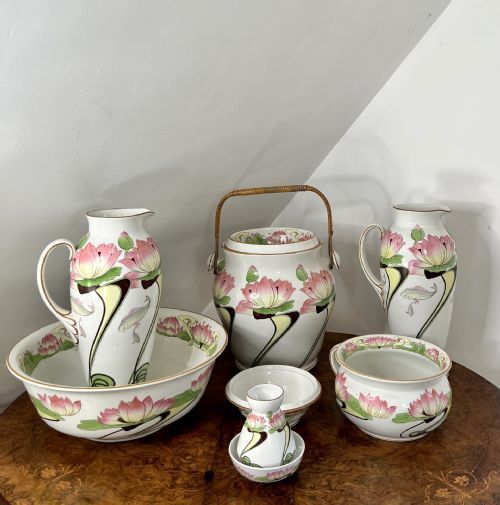
The selections available here range from jardiniere planters and ceramic vases to lidded dressing table jars and decorative tankards. Earthenware and glazed ceramics dominate the forms, frequently paired with sterling silver or pewter mounts that echo organic lines.
Most pieces align with the broader span of the nineteenth and twentieth centuries, capturing the transition from late Victorian production into the defined curves of Art Nouveau. Buyers find both standalone ceramic planters and matched sets designed for washstands or bedside placement.
Materials and construction methods
Potters shaped these items primarily from earthenware and ceramic bodies, applying coloured glazes to achieve glossy or textured surface finishes. Artisans often worked gold leaf into the details or mounted the glass and ceramic bodies in sterling silver and pewter frames.
Manufacturing techniques combined traditional throwing or moulding with specialised glazing processes to render organic floral patterns in relief. Metal elements, such as those from Liberty and Co Tudric pewter, relied on casting and hand-finishing to accentuate the flowing contours typical of the period.
Art Nouveau Floral Pot Retail Price Guide 2026
Typical asking prices for art nouveau floral pot among the pieces listed under this phrase on Sellingantiques today, from the lower quarter to the upper quarter. They describe what is for sale here now, not the wider market.
Some Edwardian dressing table jars spent their mornings hiding cold cream before being promoted to mantlepiece ornaments.
Distinctions in craftsmanship and condition
Quality reveals itself in the precision of the botanical moulding and the richness of the glaze application across the ceramic body. Finer examples display crisp relief work and harmonious colouration without blurring in the botanical motifs.
The integrity of metal mounts, such as silver lids or pewter handles, also dictates the standard of the piece. Secure fittings, uncompromised frosted glass, and clear maker attribution elevate an item above standard utility wares.
Royal Doulton·Liberty and Co Tudric
The Art Nouveau Floral Pot Glossary
- Jardiniere
- A large ornamental pot or stand for holding plants or flowers. These vessels usually sit on floors or tabletops to display indoor greenery.
- Earthenware
- Porous pottery fired at relatively low temperatures and typically covered with a glaze. This material forms the structural body for many traditional planters and vases.
- Frosted glass
- Glass treated to create a textured, translucent surface that diffuses light. It appears frequently on decorative dressing table jars from the Edwardian era.
- Pewter
- A malleable metal alloy composed chiefly of tin, often used for decorative vessels and tankards. Makers in the Arts and Crafts movement utilised it extensively for domestic metalwork.
- Sterling silver
- An alloy of silver containing substantial purity used for decorative mounts and lids. Items bearing this material often feature hallmarks indicating the assay office and year of creation.
Art Nouveau Floral Pot: Frequently Asked Questions
How do I identify this period?
Look for characteristic whip-like curves, asymmetrical plant shapes, and floral motifs that define the movement. The presence of materials like frosted glass, pewter, and earthenware helps anchor items to these eras.
Maker marks and silver hallmarks, such as those from Chester, provide exact chronological markers for dating individual pieces.
Were these pots used outdoors?
Most surviving ceramic and earthenware planters served primarily as indoor jardiniere vessels for houseplants and floral displays. Their glazed surfaces protected domestic tabletops and washstands from moisture.
They were designed as interior decorative art rather than hardy garden pottery exposed to harsh weather.
How should I clean glazed earthenware?
Maintain glazed ceramic surfaces by wiping them gently with a soft, damp cloth to remove dust. Avoid harsh chemical cleaners that might damage the historic glaze or applied gold leaf.
For metal mounts like silver or pewter, use appropriate non-abrasive polishes sparingly to preserve the original finish.