



Art Nouveau Fixtures
Art nouveau fixtures bring organic lines and fluid forms into a room, offering functional illumination shaped by the artistic movements of the late nineteenth and early twentieth centuries.
Art Nouveau Fixtures
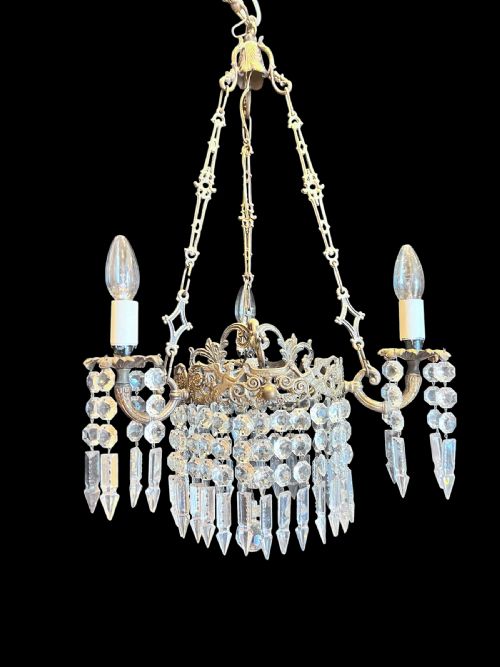
Art nouveau fixtures encompass lighting solutions ranging from ceiling lights and chandeliers to table lamps, wall sconces, and floor lamps. Pieces frequently draw on the aesthetic vocabulary of the late nineteenth and early twentieth centuries, including Edwardian and Arts and Crafts influences.
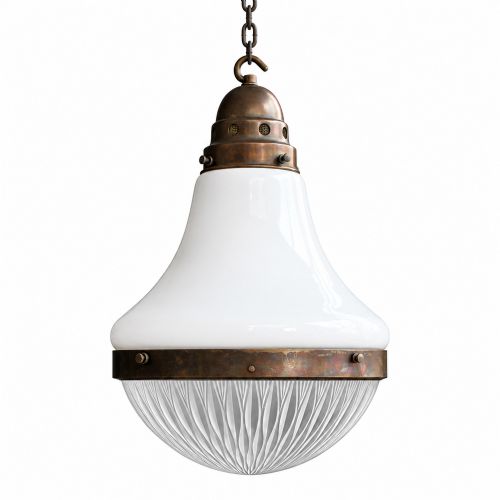
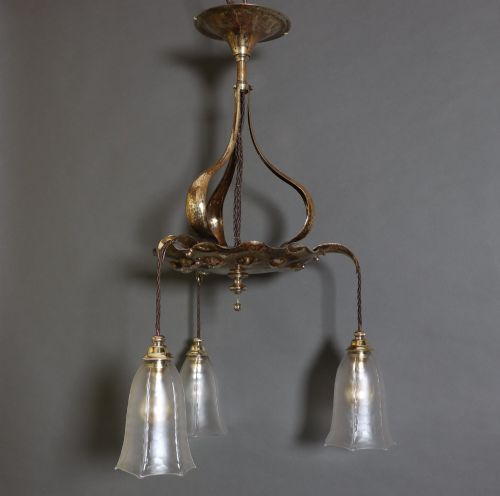
The most common examples on this page are brass ceiling lights and pendant lights dating from around nineteen hundred to the nineteen twenties. These items merge functional illumination with stylized plant motifs and sinuous curves typical of the period.
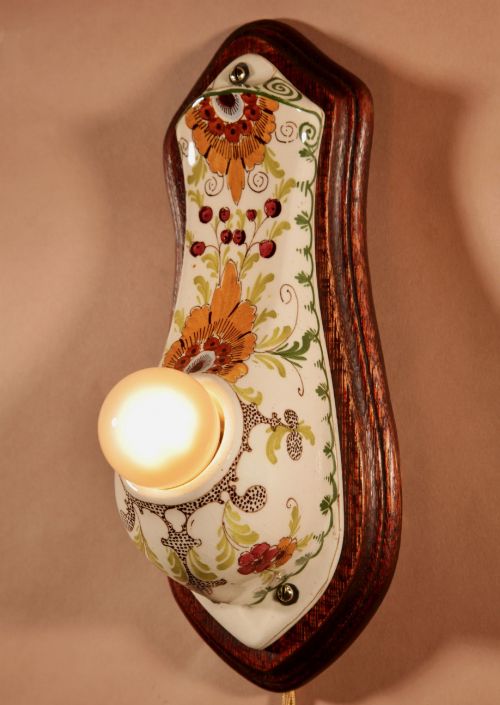
Origin variations include French and Dutch workshops alongside British production, each bringing distinct regional interpretations to the style. Buyers encounter everything from modest domestic wall lights to substantial figural lamps and multi-light chandeliers.
Materials and construction
Makers shaped these fixtures using cast brass, beaten copper, and wrought iron as structural foundations. Metalwork often displays patination or gilding that complements the glass and ceramic components.
Glass elements form a central part of the manufacturing technique, utilising frosted, etched, coloured, and pate de verre methods. Workshops also employed spelter and bronze for figural bases, paired with crystal drops and leaded glass panels.
Art Nouveau Fixtures Retail Price Guide 2026
Typical asking prices for art nouveau fixtures among the pieces listed under this phrase on Sellingantiques today, from the lower quarter to the upper quarter. They describe what is for sale here now, not the wider market.
Listings feature items spanning the late nineteenth century through to the nineteen twenties, incorporating Edwardian designs alongside continental European productions.
Assessing quality
The distinction between standard production and top tier examples lies in the artistic execution of the metalwork and the complexity of the glass. Superior pieces demonstrate crisp chasing in bronze or brass and sophisticated handling of colour in pate de verre shades.
Signed works by recognised glass houses or sculptors elevate a piece above anonymous commercial output. The integration of materials, such as wrought iron frames built specifically to house hand-formed glass bowls, dictates the overall refinement of the design.
Henri Honore Ple·Verrerie Des Vosge·Muller Freres·Liberty
The Art Nouveau Fixtures Glossary
- Spelter
- A zinc alloy frequently used as a substitute for bronze in decorative metalwork. It takes patination well to simulate heavier metals.
- Pate de verre
- A glass-making technique involving crushed glass packed into a mould and fused in a kiln. This creates mottled colours and rich textures.
- Rise and fall
- A mechanical pulley system allowing pendant lights to be adjusted in height. It utilises a counterweight housed within the ceiling canopy.
- Sconce
- A wall-mounted lighting fixture designed to hold bulbs or candles. Examples from this period often feature branching arms and organic backplates.
- Standard lamp
- A traditional British term for a floor lamp. These tall pieces illuminate living spaces from an upright standing position.
Art Nouveau Fixtures: Frequently Asked Questions
How do I install an antique pendant light?
Most ceiling fixtures require standard electrical connection to a ceiling junction box. Professional installation is recommended to support the weight of brass, crystal, or glass components safely.
Wiring should be checked and updated by a qualified electrician to meet current safety standards while preserving the original exterior fittings.
Can I replace missing glass shades?
Finding exact period replacements for damaged shades requires patience and specialised dealer searches. Matching the fitter size and glass tone to the original metal frame is essential.
Many collectors accept period-appropriate replacements when original shades are missing, provided the style and weight complement the fixture.
How do I clean brass and bronze fittings?
Dusting with a soft, dry cloth prevents the accumulation of grime on metal surfaces. Avoid harsh chemical polishes that strip away historical patina and age.
Applying a microcrystalline wax can protect exposed metal from oxidation without altering its natural finish or darkening.
What is the difference between art nouveau and arts and crafts?
Art nouveau focuses on fluid, asymmetrical lines inspired by natural plant forms and whiplash curves. It prioritises decorative grace and theatrical movement.
Arts and crafts emphasises visible construction, utility, and honest materials such as beaten copper and straightforward timber work. The styles frequently overlap in transitional lighting pieces from the early twentieth century.