


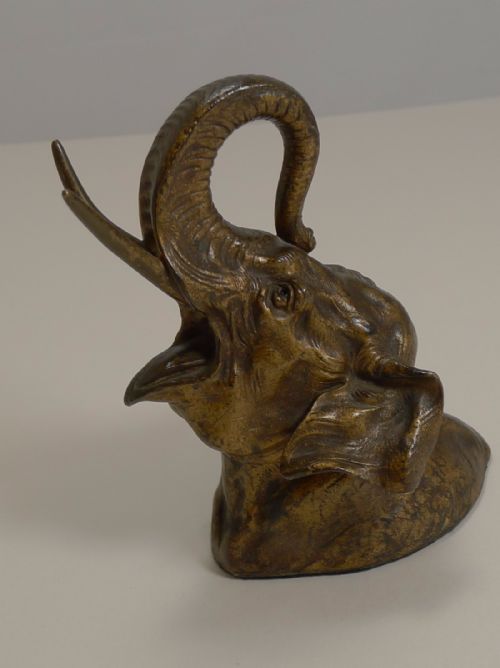


Art Nouveau Desk Ornament
These art nouveau desk ornament pieces combine sinuous organic lines with functional utility, offering a refined touch of turn-of-the-century craftsmanship for any interior.
Art Nouveau Desk Ornament
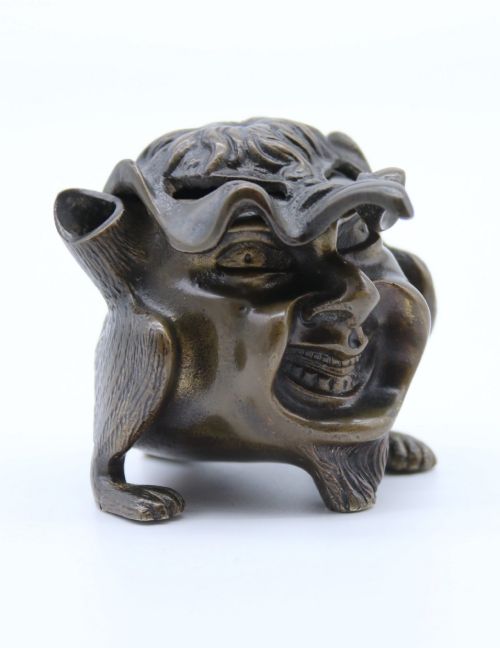
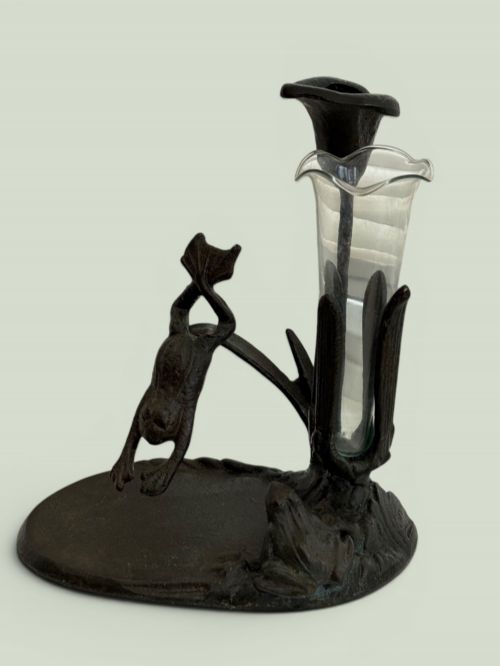
An art nouveau desk ornament brings the sinuous, nature-inspired aesthetic of the late nineteenth and early twentieth centuries directly onto the writing surface. Buyers seeking these items will encounter functional desk accessories such as inkwells, letter openers, and flower holders alongside standalone figures.
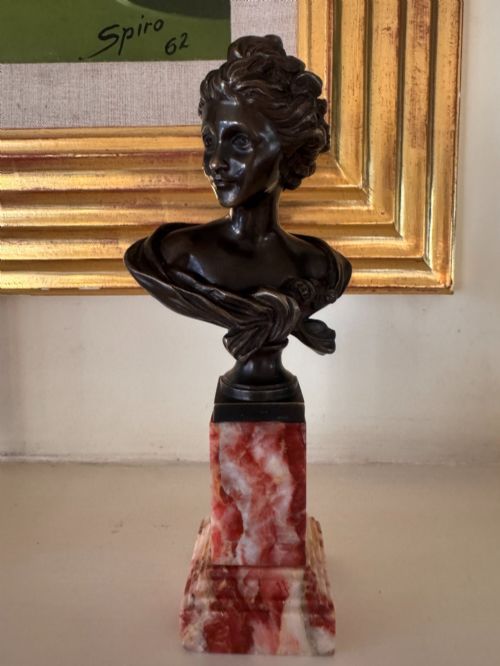
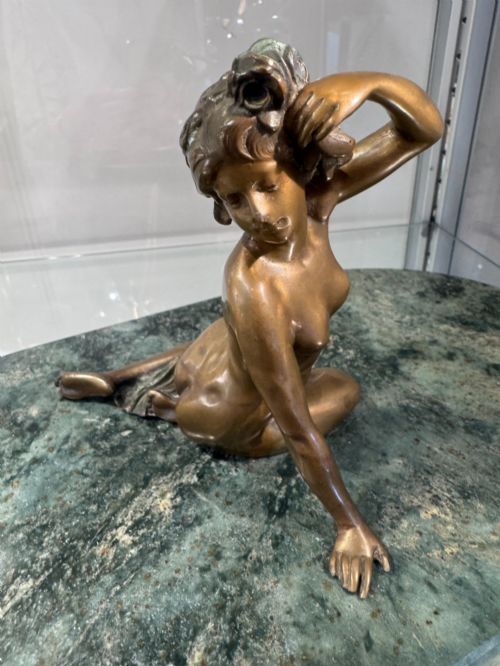
The objects on this page predominantly span French and Viennese origins, showcasing the fluid curves and organic motifs characteristic of the movement. From crouching figures to stylized fauna, these pieces transform utilitarian desk items into miniature works of fine art.
Materials and construction
The majority of these pieces rely on cast bronze, often enhanced through cold-painting techniques or patination to bring out fine sculptural details. Artisans frequently mounted these metal sculptures onto shaped marble bases to provide weight and contrast.
Gilding and multi-coloured paint finishes appear on specific items, particularly where makers sought to heighten the expressive character of figurative or animal subjects. The integration of contrasting media defines the physical construction of these desk accessories.
Art Nouveau Desk Ornament Retail Price Guide 2026
Typical asking prices for art nouveau desk ornament among the pieces listed under this phrase on Sellingantiques today, from the lower quarter to the upper quarter. They describe what is for sale here now, not the wider market.
The listings demonstrate a strong representation of Austrian and French origins, spanning bronze, marble, and cold-painted metal forms.
Assessing quality
Quality in these desk ornaments rests primarily on the crispness of the casting and the sensitivity of the hand-finishing work. Finer examples display sharp anatomical rendering and delicate surface textures without the softening often seen in later reproductions.
The integration of materials also dictates standing, where a bronze figure sits harmoniously with its marble plinth or where patination remains deep and undisturbed. Superior pieces maintain their original surface treatments intact, reflecting the distinct hand of named European foundries and sculptors.
Rudolf Küchler·Franz Bergman·Jennings Brothers·Eugène Désiré Piron·Carl Kauba·Ernest Louis Adnin
The Art Nouveau Desk Ornament Glossary
- Cold-painted bronze
- A technique where bronze sculptures are painted with oil-based colours after casting, rather than firing the pigment into a glaze. This method requires a delicate touch to preserve the layered hues over decades of handling.
- Patination
- The natural or artificial process of oxidation that colours the surface of bronze. Controlled patination highlights the contours and depth of figurative casting.
- Inkwell
- A small container designed to hold liquid ink for a pen, frequently housed within an elaborate figural or architectural mount during this period.
- Gilt bronze
- Bronze that has been coated with a thin layer of gold or gold-coloured alloy. This finish adds a luminous quality to decorative desk elements.
Art Nouveau Desk Ornament: Frequently Asked Questions
What materials make up an art nouveau desk ornament?
These decorative items primarily utilise cast bronze, frequently paired with heavy marble bases for stability. Artisans also applied cold-painted finishes and gilding to enhance the figurative and naturalistic details.
Additional elements include glass and specialised patination treatments that give each piece its distinctive period surface character.
How were these decorative items used originally?
Desk ornaments served both practical and aesthetic roles in professional and domestic writing rooms at the turn of the twentieth century. Inkwells held writing fluid, letter openers sliced through sealed envelopes, and small bronze figures provided visual contemplation.
Many of these objects functioned as status symbols on executive desks, reflecting the owner's appreciation for contemporary continental design.
How do I care for a bronze desk ornament?
Bronze requires minimal intervention to maintain its stability over time. Keep the piece away from direct heat sources and moisture to protect any cold-painted pigments or delicate patination.
Dust gently with a soft, dry brush and avoid chemical polishes that can strip away the historical surface finish.
How can I tell the period of these pieces?
Stylistic markers such as whiplash curves, floral motifs, and organic female forms point directly to the turn of the twentieth century. Examining the quality of the bronze casting and any maker signatures provides further historical context.
Materials like cold-painted bronze and specific mounting styles on marble align closely with production methods from eighteen-ninety through the nineteen-twenties.