




Art Nouveau Collectible
An art nouveau collectible brings organic lines and fluid forms into a room, offering functional objects shaped by natural motifs.
Art Nouveau Collectible
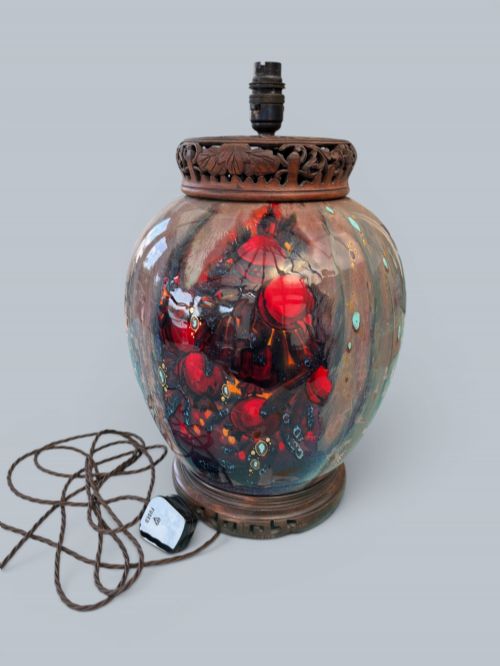
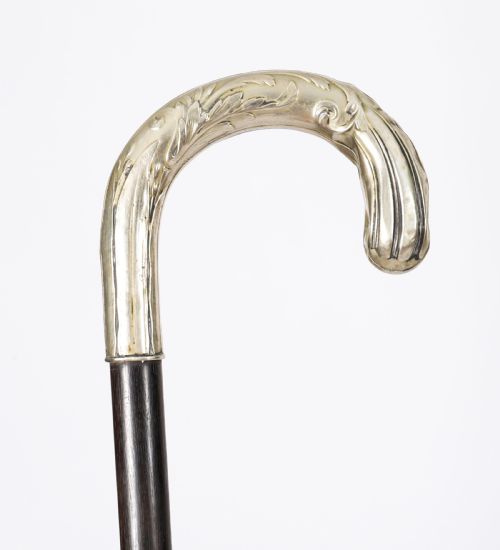
An art nouveau collectible encompasses diverse functional forms ranging from glassware and ceramics to small metalwork items. Vases, bowls, table lamps, perfume bottles and buttons populate the field, reflecting domestic utility intertwined with decorative ambition.
Most pieces date from the turn of the twentieth century and the Edwardian era, spanning the late nineteenth century through the interwar decades of the 1920s and 1930s. French studios and British potteries dominate the output seen in these selections.
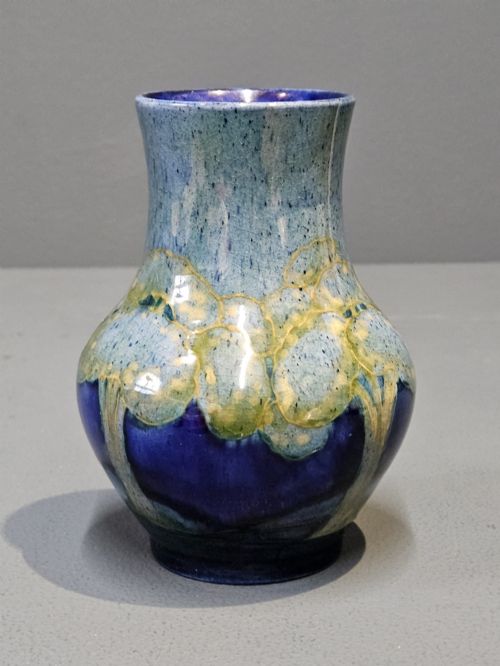
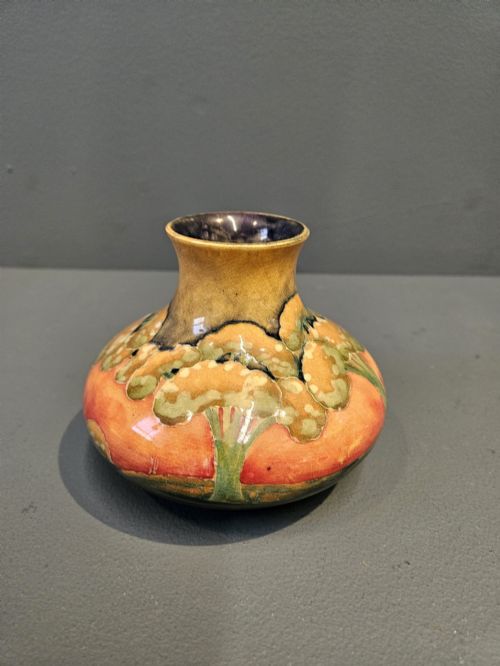
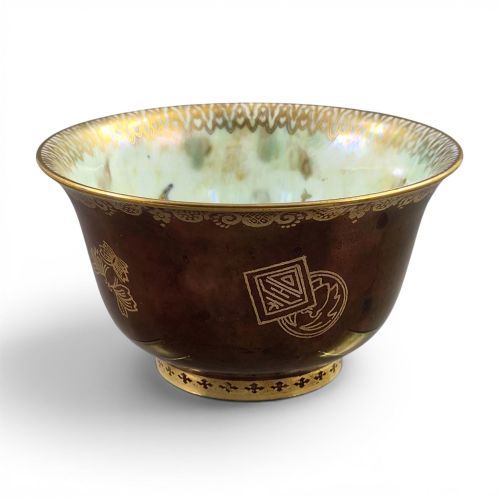
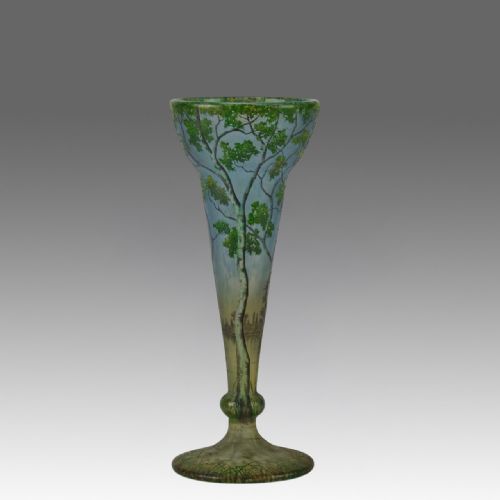
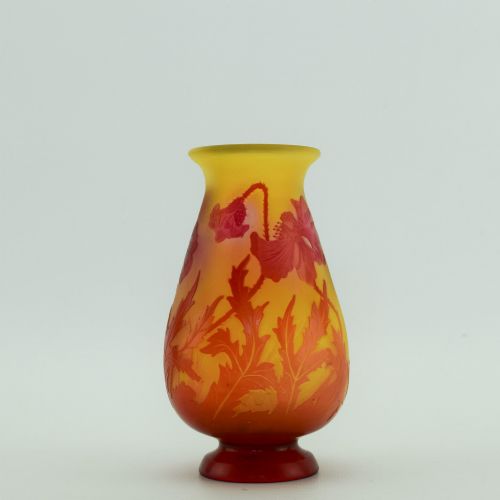
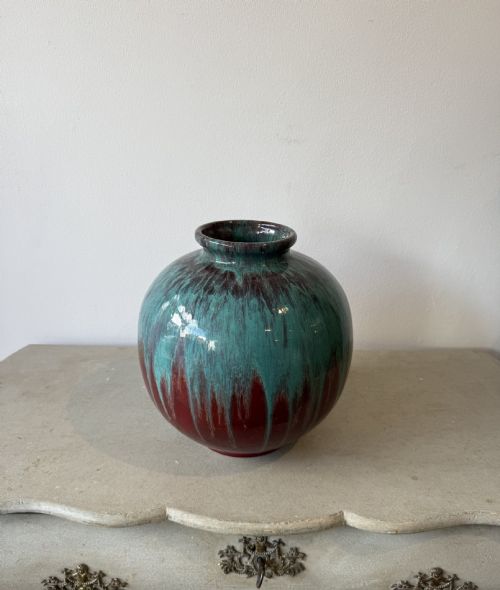
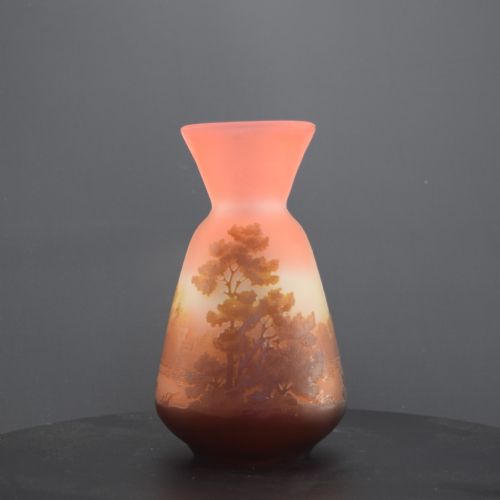
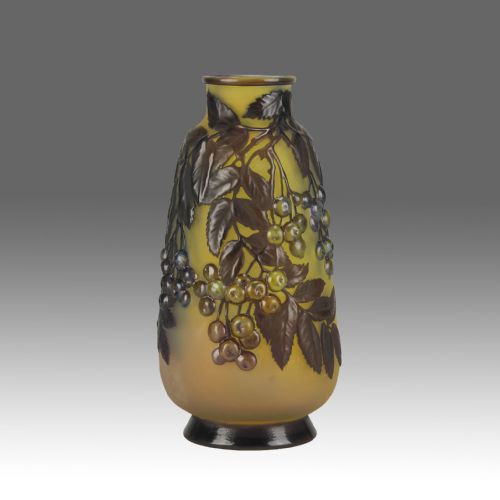
Vases in cameo glass and lustre glazed ceramics emerge as the versions most frequently encountered by buyers exploring this aesthetic. These items capture the characteristic floral and landscape subjects central to the movement.
Materials and Techniques
Glassmakers utilised multi-layered cameo glass techniques involving acid-etching and carving to reveal contrasting coloured backgrounds. This method allowed makers to render intricate botanical and landscape designs with depth and texture.
Ceramic pieces rely on specialist glaze applications, including lustre glazes and tube-lining techniques. Potters built raised clay outlines to contain vibrant enamel colours, producing rich tactile surfaces across bowls, plates and vases.
Art Nouveau Collectible Retail Price Guide 2026
Typical asking prices for art nouveau collectible among the pieces listed under this phrase on Sellingantiques today, from the lower quarter to the upper quarter. They describe what is for sale here now, not the wider market.
Materials span cameo glass, acid-etched glass, lustre glaze ceramics, sterling silver and bronze.
Assessing Quality
The standard of execution in glass carving and ceramic glaze depth separates finer examples from ordinary output. Precision in acid-etching and the vibrancy of lustre finishes determine the visual impact of an object.
Designer attribution and factory signatures anchor the higher tier of these pieces. Clear maker marks and documented patterns by recognised designers elevate the standing of an item within the field.
Wedgwood·Daum Frères·Gallé·Rene Lalique·Royal Doulton·William Moorcroft·James Deakin & Sons
The Art Nouveau Collectible Glossary
- Cameo Glass
- Glass vessels created with multiple fused layers of different colours that are subsequently carved or acid-etched away to produce a relief design. This technique yields striking contrast between foreground motifs and background panels.
- Lustre Glaze
- A type of pottery glaze containing metallic salts that produce an iridescent sheen upon firing. Wedgwood pieces frequently employ this finish to catch ambient light.
- Tube-lining
- A ceramic decoration method where lines of clay slip are squeezed from a bulb through a nozzle onto a pot body. This creates raised borders that separate different coloured enamels.
- Vesta Case
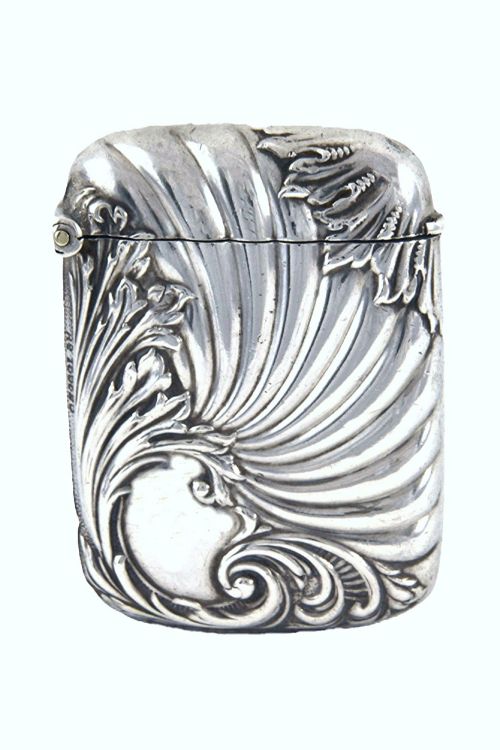
- A small pocket box traditionally used for holding matches. These metal items often feature engraved or embossed ornamentation characteristic of the period.
Art Nouveau Collectible: Frequently Asked Questions
What is an art nouveau collectible?
An art nouveau collectible is a decorative or functional object produced during the height of the movement, spanning the late nineteenth and early twentieth centuries. These items are defined by sinuous lines inspired by natural forms such as plants, flowers and insects.
Such pieces range from glassware and ceramics to small silver accessories. They reflect a deliberate shift away from historic revival styles towards modern artistic expression.
How were cameo glass vases made?
Cameo glass vases were manufactured by fusing two or more layers of coloured glass together while hot. Artisans then carved or acid-etched the outer layers away to reveal the contrasting background colour.
This laborious process required immense skill to control the depth of the acid and ensure the delicate relief design remained intact. The resulting pieces showcase remarkable tonal gradation.
Where should I display glass pieces?
Glass pieces benefit from placement near natural light sources such as windows or glass-fronted cabinets. Illumination allows the layered colours and etched details of cameo glass to reveal their full depth.
Keeping them away from direct, harsh sunlight prevents potential fading of sensitive enamel colours over time. Stable shelving ensures these delicate items remain secure.
How do I identify a signed piece?
Signatures on these items generally appear as etched marks on glass surfaces or painted and impressed stamps on the underside of ceramics. Makers often incorporated their studio name directly into the design of the piece.
Consulting reference guides helps match specific script signatures or cipher marks to the correct workshop or individual designer. Documentation from the period aids verification.