
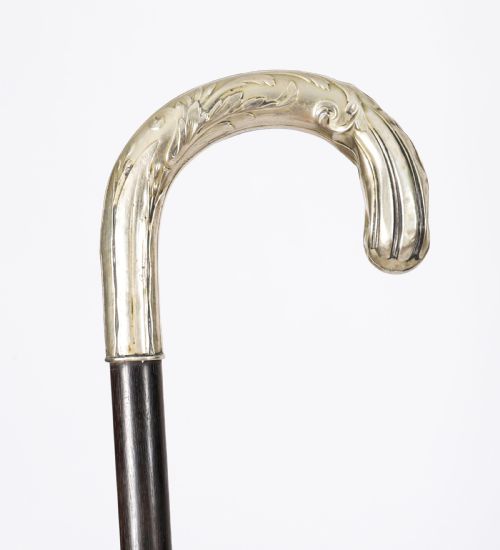


Art Nouveau Cane
Art nouveau cane pieces bring fluid botanical lines and organic movement to everyday items like walking sticks, umbrella stands, and coffee pots.
Art Nouveau Cane
When you search for art nouveau cane, you are looking at walking sticks with silver handles alongside umbrella stands and coffee pots that incorporate natural materials. These objects span the nineteenth century, nineteen hundred, and into the nineteen twenties and thirties.
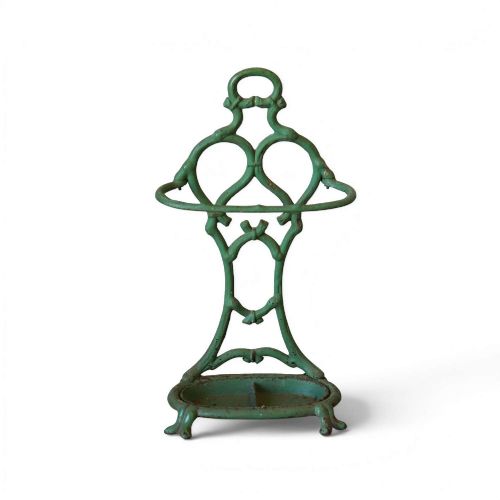
The pieces you meet most often on this page are French umbrella stands and silver-topped walking canes from around nineteen hundred. You also encounter English and Belgian examples that combine metalwork with organic elements.
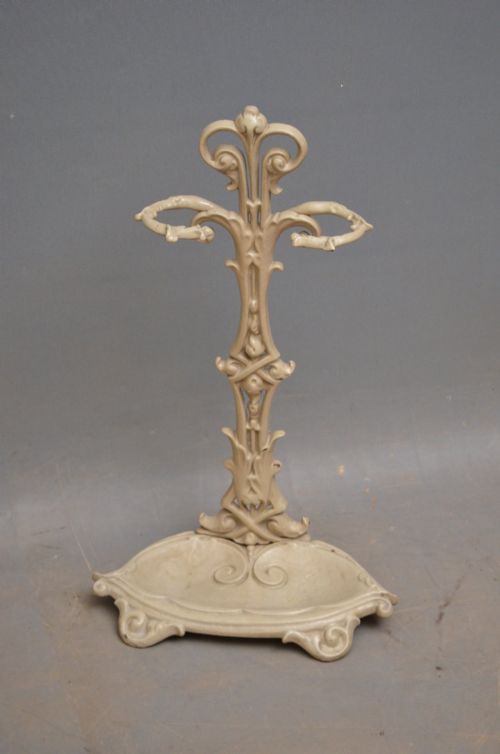
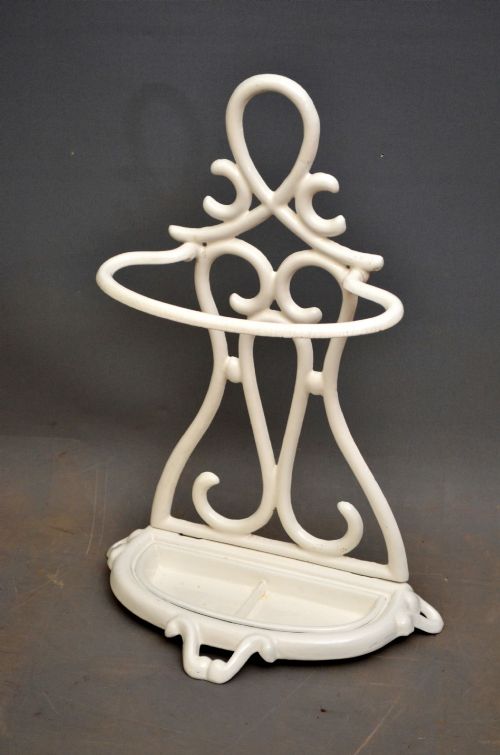
Forms range from demi-lune hall stands to ceramic receptacles and handled vessels. Each item reflects the distinctive undulating motifs of the period applied to functional hallway and personal items.
Materials and construction
Makers utilised cast iron, brass, and pewter alongside natural cane and hardwood to build these pieces. Cast iron stands often feature a white enamel finish or a faux bois bamboo design.
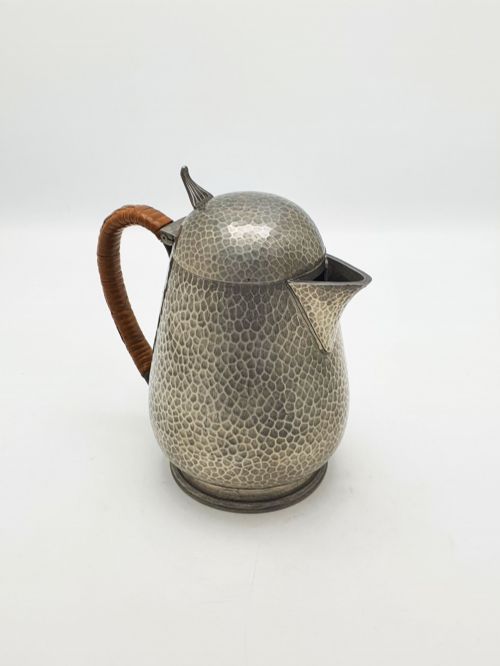
Silversmiths formed detailed handles for walking canes depicting figures such as reclining nude women. Pewter and brass were shaped into jugs, coffee pots, and stick stands, frequently paired with woven cane handles.
Several walking sticks hide miniature silver sculptures of reclining nude women in their handles.
Qualities that distinguish the range
The distinction between standard items and superior examples lies in the crispness of the cast metalwork and the detail in silver handles. Hand-finished enamel surfaces and complex botanical motifs separate refined pieces from simpler production.
Design attribution to known workshops and the preservation of original patination on silver and bronze elevate certain examples. The integration of materials like cane with pewter or oak demonstrates the maker's skill.
Archibald Knox·Liberty and Co·Burmantofts
The Art Nouveau Cane Glossary
- Art Nouveau
- A style of decorative art characterised by flowing lines and organic plant motifs. It dominated design around nineteen hundred.
- Faux Bois
- An artistic imitation of wood used in metalwork or ceramics. In these pieces, iron is cast to resemble bamboo.
- Tudric Pewter
- A trade name for a specific alloy used by Liberty and Company. It often accompanied enamel decoration on metalware.
- Demi-Lune
- A half-moon shape used for hall stands and stick loops designed to sit flat against a wall. This profile saves floor space in narrow hallways.
- Burmantofts Faience
- A type of glazed ceramic produced in Leeds. It appears on decorative stick stands from the period.
Art Nouveau Cane: Frequently Asked Questions
What is an art nouveau cane?
An art nouveau cane refers to walking sticks featuring decorative silver or metal handles created in the characteristic organic style of the late nineteenth and early twentieth centuries.
These personal items often depict natural forms or human figures and were carried as fashionable accessories.
How were umbrella stands used?
Umbrella and stick stands were placed in hallways to hold wet umbrellas, walking canes, and fireplace irons.
They kept entranceways tidy while serving as decorative furniture pieces made from cast iron, brass, or ceramic.
How do I date these pieces?
Dating relies on stylistic markers of the art nouveau period combined with materials like pewter, silver plating, and cast iron.
Most items on this page originate from around nineteen hundred, with some nineteenth-century examples and later pieces from the nineteen twenties.
Where were these items made?
The pieces originate primarily from France, England, and Belgium. French workshops produced many of the brass and cast iron umbrella stands.
English makers contributed pewter vessels and ceramic stick stands during the same period.