



Art Nouveau Accessory
An art nouveau accessory brings sinuous organic line to the desk, the fireside, and the dressing table.
Art Nouveau Accessory
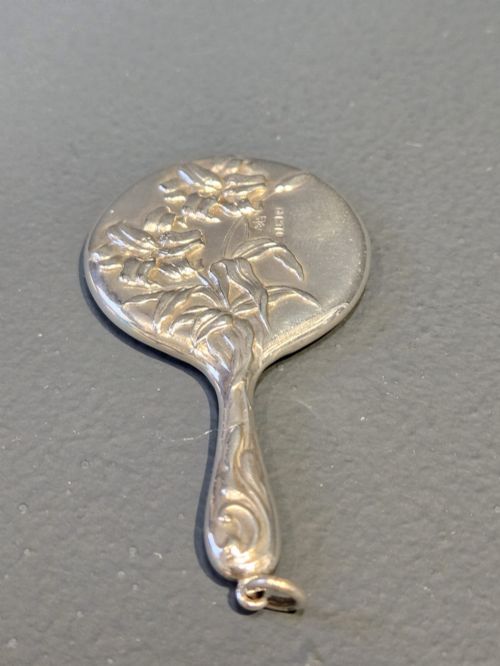
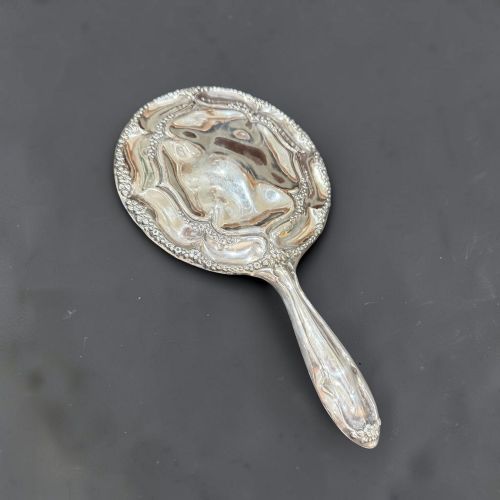
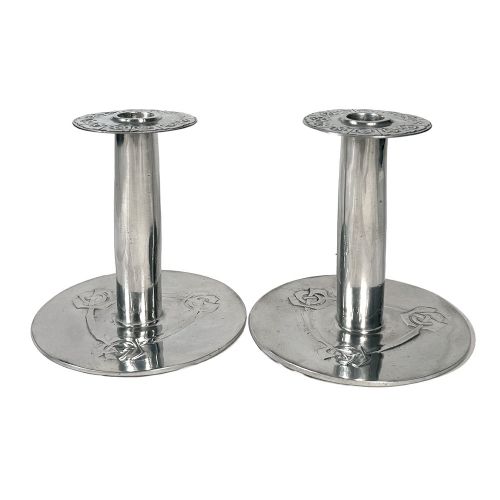
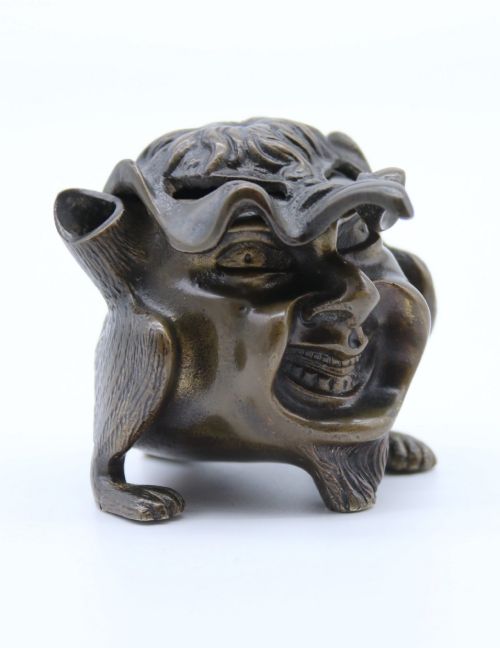
Every art nouveau accessory on this page spans the late nineteenth century through to the early twentieth century, taking shape as inkwells, desk accessories, fireside pieces, hand mirrors, and small domestic items. These objects embody the flowing vegetal motifs and stylized figures typical of the period, executed within the broader umbrella of Edwardian, Victorian, and Arts and Crafts design.
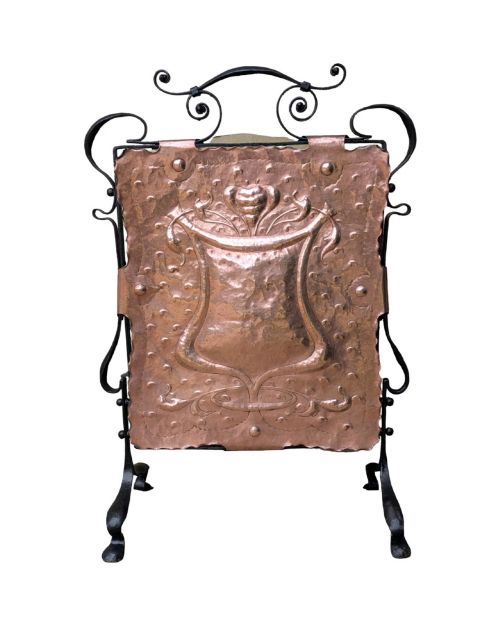
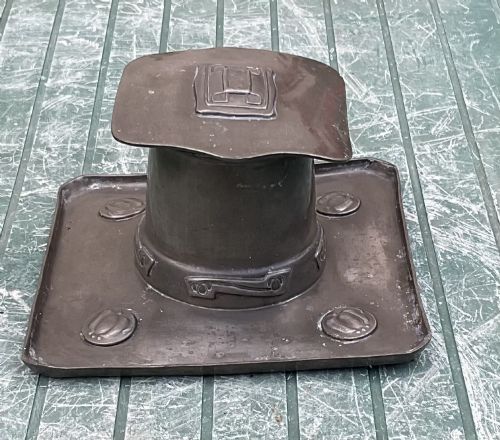
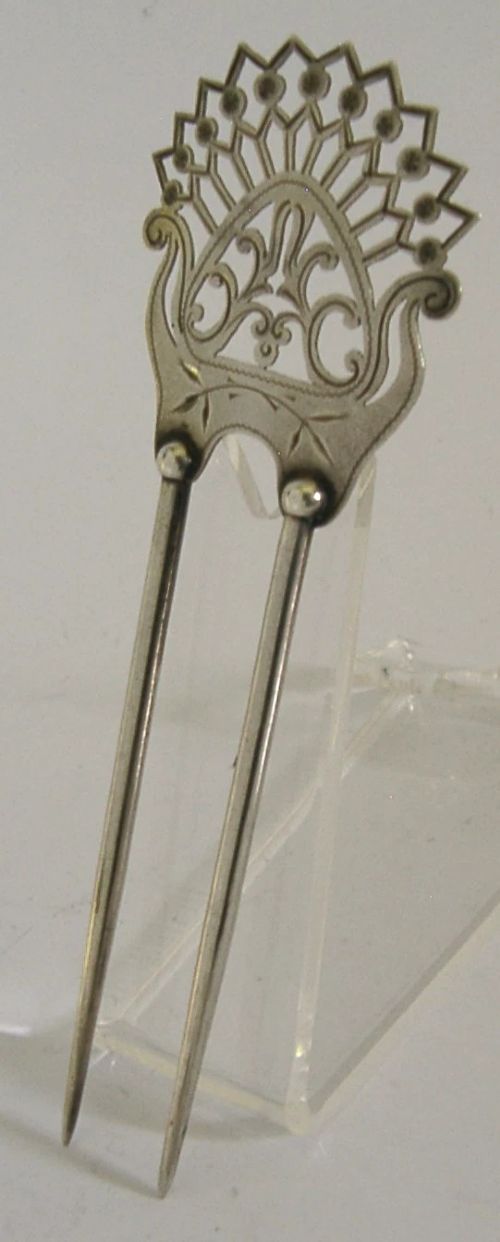
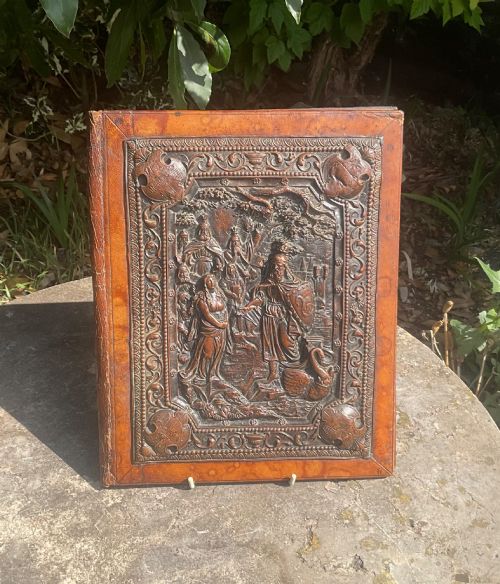
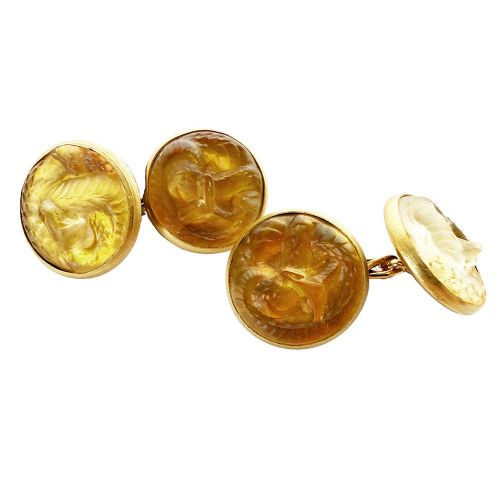
Desk accessories dominate the selection, particularly inkstands and blotters, alongside fireside coal scuttles and tool rests. Smaller personal items such as hair slides, buttons, purses, and hatpins also appear, reflecting the stylistic unity applied across both large furnishings and personal items during these decades.
Materials and Technique
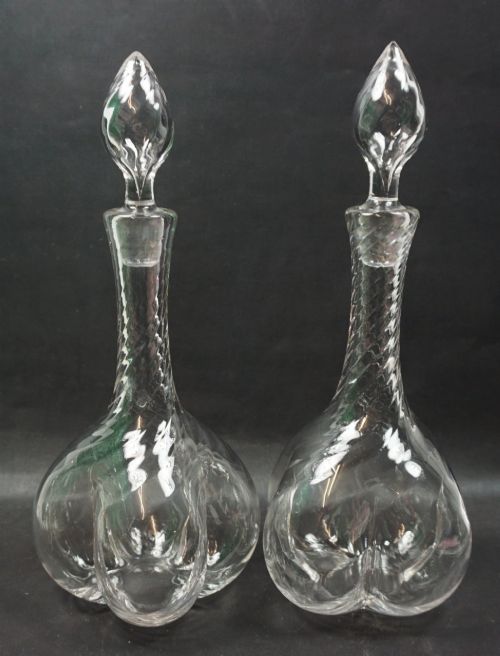
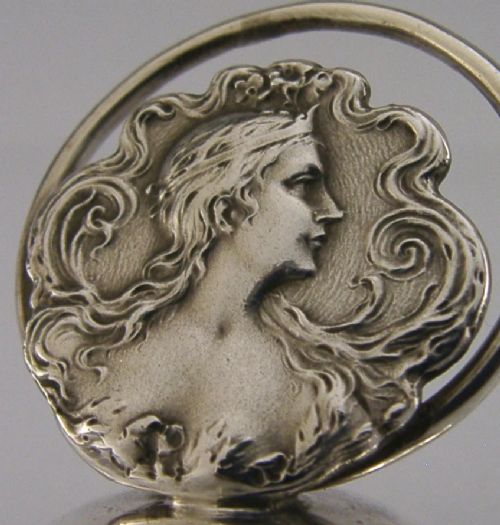
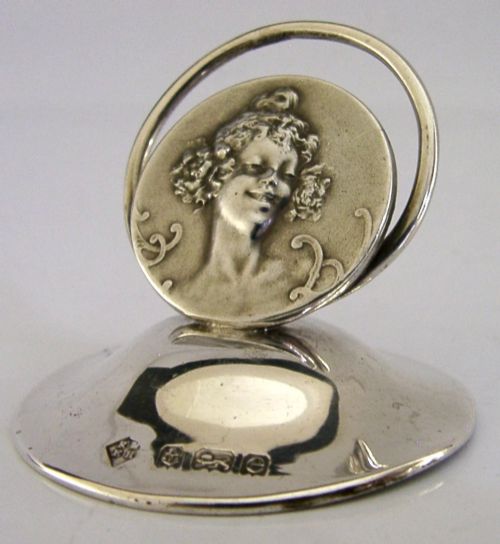
Makers shaped these pieces predominantly from metals including sterling silver, copper, brass, bronze, pewter, and silvered bronze, frequently pairing them with glass or marble inserts. Casting, repoussé, and gilding allowed artisans to achieve the characteristic undulating contours and low relief portraits of maidens, mermaids, and grotesque creatures.
Pewter and copper often received hand-finished patination to accentuate the linear rhythms of the style, while glass elements utilised iridescence to catch the light. Silver components relied on crisp hallmarks and pierced or embossed detailing to define the organic borders.
Art Nouveau Accessory Retail Price Guide 2026
Typical asking prices for art nouveau accessory among the pieces listed under this phrase on Sellingantiques today, from the lower quarter to the upper quarter. They describe what is for sale here now, not the wider market.
Judging Quality
Material integrity also dictates standing, particularly where original glass ink bottles, mercury gilding, or untrimmed patination remain intact. Pieces bearing clear maker signatures or attribution to recognised metalwork studios demonstrate superior design ambition compared to anonymous workshop output.
Archibald Knox for Liberty and Co·R Lalique·Orivit·Jan Eisenlöffel·Kralik or Loetz·Jennings Brothers·Ludwig Krumm·Albert Marionnet·Zimmermann·Maurice Dufrene·Ernest Louis Adnin
The Art Nouveau Accessory Glossary
- Repoussé
- A metalworking technique where the artisan hammers the design from the reverse side to form a raised relief on the front. This method creates the flowing contours seen on metal boxes and menu holders.
- Tudric
- A trade name used by Liberty and Co for a range of pewterware produced around nineteen hundred. These items often showcase distinct organic styling associated with the Arts and Crafts movement.
- Patina
- The surface sheen and coloration developed on metal through age or chemical treatment. Original patination highlights the intricate recessed details of bronze and copper desk wares.
- Vesta
- A small pocket box designed to hold matches safely. Victorian and Edwardian examples frequently feature embossed figural scenes on sterling silver.
Art Nouveau Accessory: Frequently Asked Questions
How do I identify pieces from this period?
Look for characteristic design vocabulary such as whiplash curves, stylized floral motifs, asymmetrical plant stems, and cast female figures with flowing hair. Dates generally cluster around nineteen hundred, supported by material choices like iridescent glass, pewter, and patinated bronze.
Maker marks, registration numbers, and sterling silver assay office hallmarks further anchor pieces to Victorian and Edwardian production eras.
Are original glass inserts important?
Original glass ink bottles and dishes significantly enhance the completeness and integrity of inkwells and stands. Finding matching glass components indicates that the piece retains its factory configuration.
Replacements do happen over decades of use, but matching stoppers or liners remain preferable for collectors.
How do I care for antique metal pieces?
Maintain bronze, copper, and pewter surfaces with a dry microfiber cloth to remove dust without disturbing the historic patina. Avoid aggressive metal polishes that strip away the aged coloration and soften cast details.
Sterling silver benefits from occasional gentle cleaning with a specialised cloth when tarnish obscures the hallmark or design.