



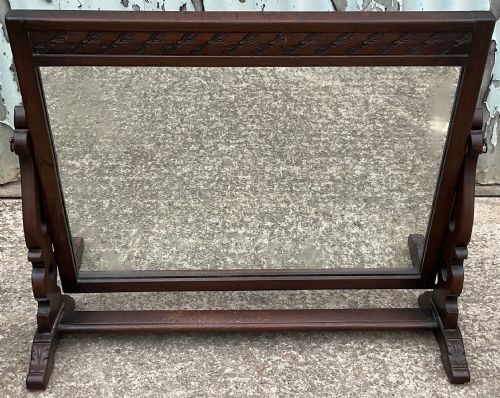

Art Glass Stand
An art glass stand brings together decorative metalwork and coloured glass, creating a functional display piece that anchors a tabletop or surface.
Art Glass Stand
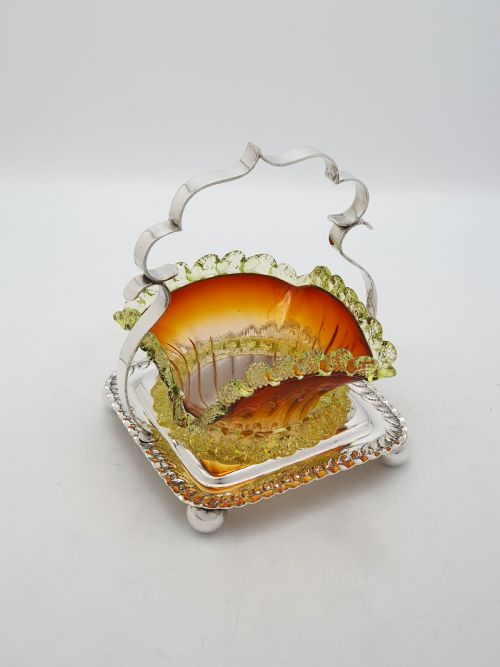
An art glass stand combines a glass component, such as a dish, bowl, or epergne, with a metal or wooden support structure. These objects emerge from periods including the Victorian era, the Edwardian period, and the 1930s.
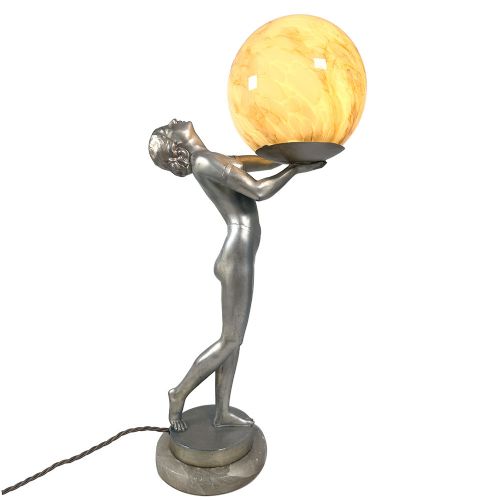
The versions most commonly met on this page include glass dishes or vessels paired with silver-plated mounts, brass frames, or metal stands, frequently reflecting Art Nouveau and Art Deco design movements.
Makers and manufacturers ranging from WMF to individual artisans produced these stands for domestic dining and display, utilising materials like amber glass, green glass, and crystal combined with brass and silver plate.
Materials and Technique
The glass elements are shaped through blowing, moulding, or cutting, producing surfaces that are etched, amber-tinted, or formed into heavy lead crystal and green glass epergnes.
Supporting structures utilise metals such as brass, chrome, silver plate, and wrought iron, often worked into organic Art Nouveau tendrils or geometric Art Deco lines to cradle or elevate the glass vessels securely.
Art Glass Stand Retail Price Guide 2026
Typical asking prices for art glass stand among the pieces listed under this phrase on Sellingantiques today, from the lower quarter to the upper quarter. They describe what is for sale here now, not the wider market.
Listings feature stands incorporating amber and green glass supported by brass, chrome, and silver-plated metal frames.
Judging Quality
Quality rests upon the harmony between the glass vessel and its metal stand, where integrated design takes precedence over generic assembly.
The crispness of metal chasing, the weight and clarity of the glass, and the retention of original silver plating or patination distinguish finer examples from standard production.
Liberty & Co.·Rene Lalique·Elkington·WMF·Lambs of Manchester
The Art Glass Stand Glossary
- Epergne
- A tiered centrepiece featuring a central glass trumpet or bowl surrounded by smaller hanging or attached vessels. These pieces were traditionally used for serving fruit or sweets on dining tables.
- Silver Plate
- A thin layer of silver applied to a base metal such as copper, brass, or Britannia metal. This technique provided the appearance of solid silver at a lower production cost.
- Art Nouveau
- A decorative style characterised by sinuous, organic lines inspired by natural forms such as plants and flowers. It dominated design during the late nineteenth and early twentieth centuries.
- Art Deco
- A modern design movement defined by clean geometric lines, streamlined forms, and stylised motifs. The style gained prominence during the 1920s and 1930s.
Art Glass Stand: Frequently Asked Questions
What is an art glass stand used for?
These pieces served primarily as decorative table centrepieces, bonbon dishes, or stands for holding sweetmeats and small fruit during formal dining.
They functioned as visual centrepieces that displayed coloured glass and metalwork under candlelight or daylight.
How do I clean an antique glass stand?
Wash the glass component gently in lukewarm water using a mild, non-abrasive detergent, taking care to remove it from the metal mount if possible.
Avoid submerging mixed-material pieces or polishing silver plate with harsh chemical agents that could strip the original finish.
How can I tell Art Nouveau from Art Deco?
Art Nouveau design relies on flowing, organic curves, floral motifs, and asymmetrical plant tendrils inspired by the natural world.
Art Deco shifts toward strict symmetry, jagged geometric patterns, stepped forms, and streamlined industrial shapes.
Are metal mounts marked with maker details?
Many silver-plated and metal stands carry maker marks, factory ciphers, or registration numbers stamped underneath the base or along the rim.
Examining these stamps helps identify the manufacturer and approximate the production period alongside stylistic clues.