



Art Glass Fixture
An art glass fixture brings distinctive illumination and period character to a room through decorative glass paired with metalwork.
Art Glass Fixture
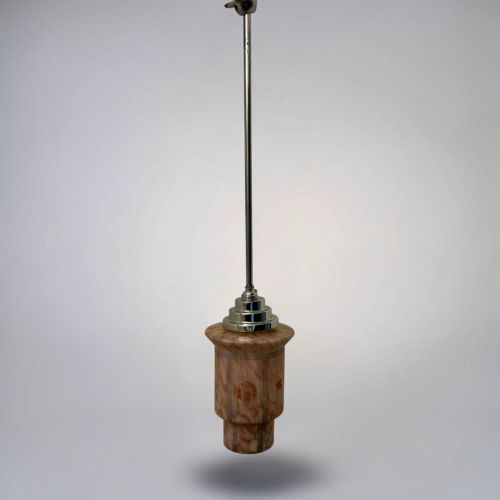
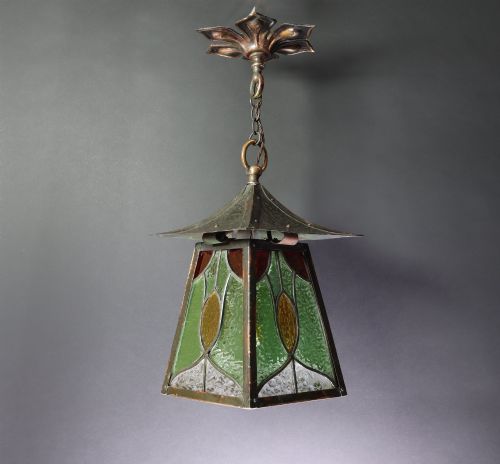
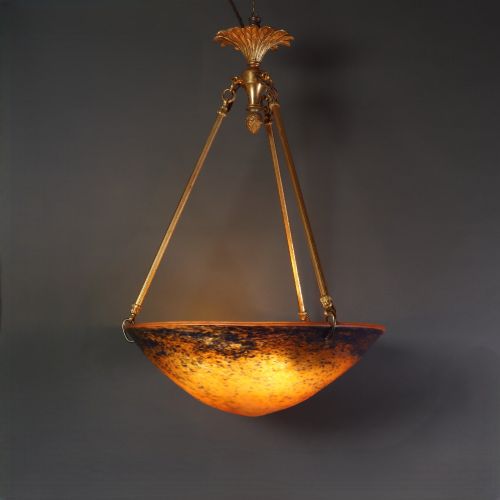
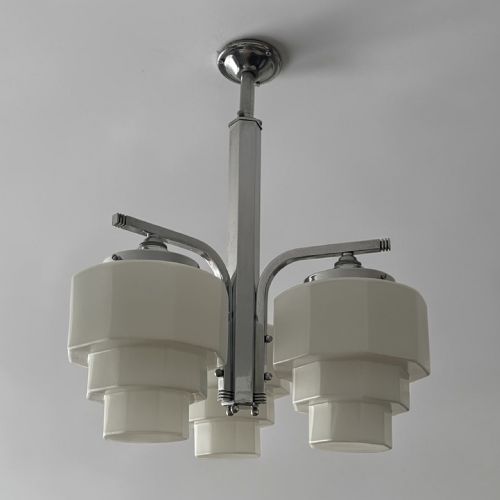
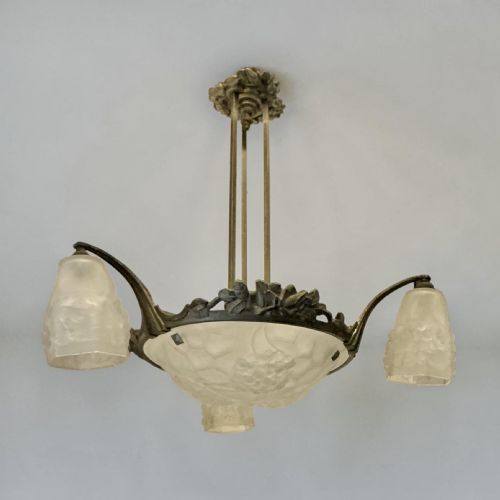
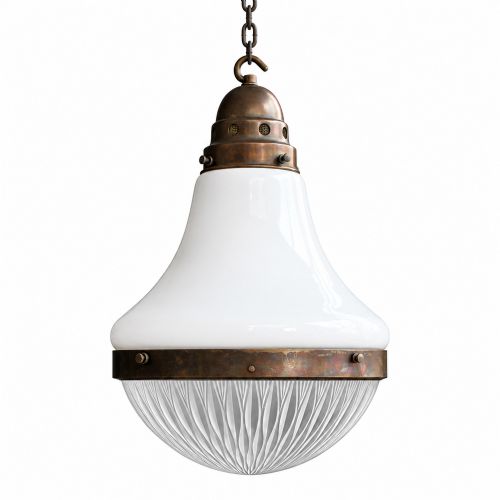
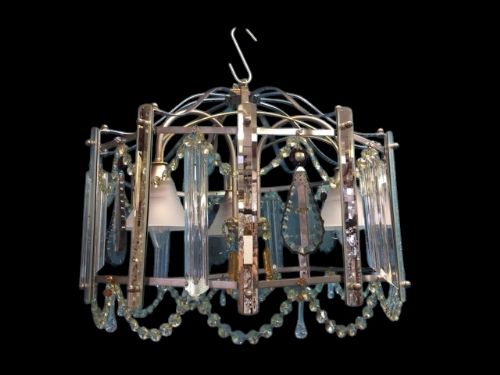
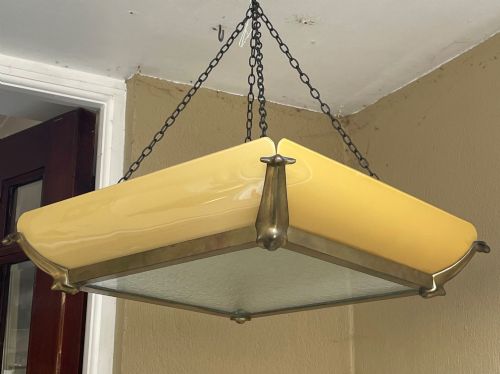
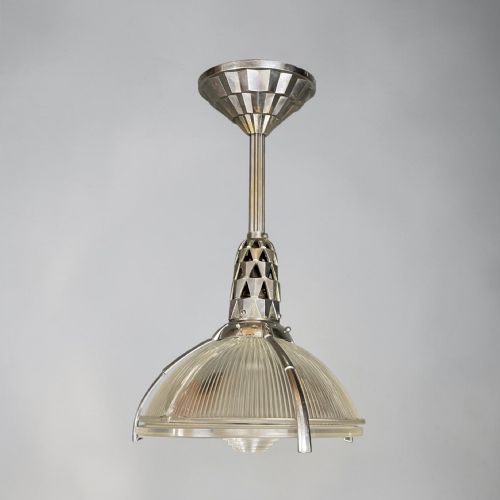
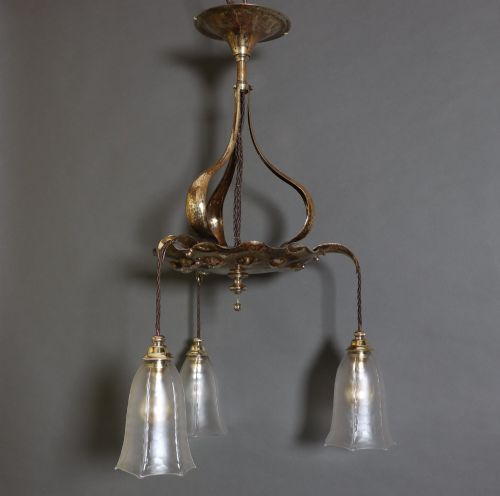
Most pieces you meet here take the form of ceiling lights, pendant lights, chandeliers, wall lights, and hall lanterns. These fixtures serve functional and decorative roles in domestic interiors, utilising specialised glass shades to soften and diffuse light.
Materials and construction
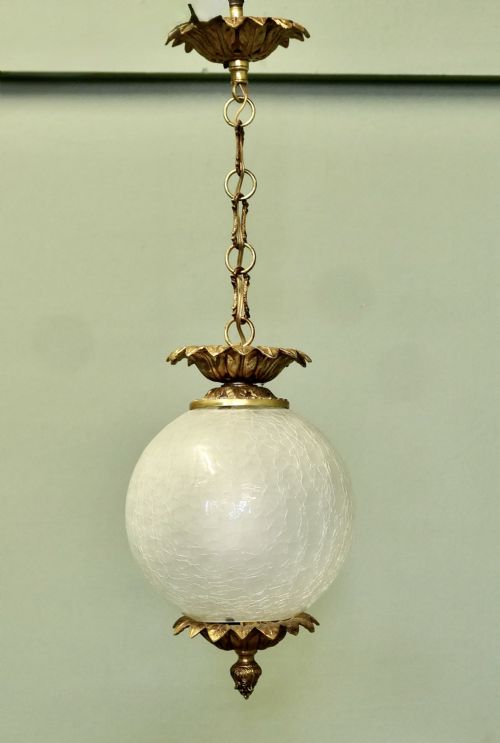
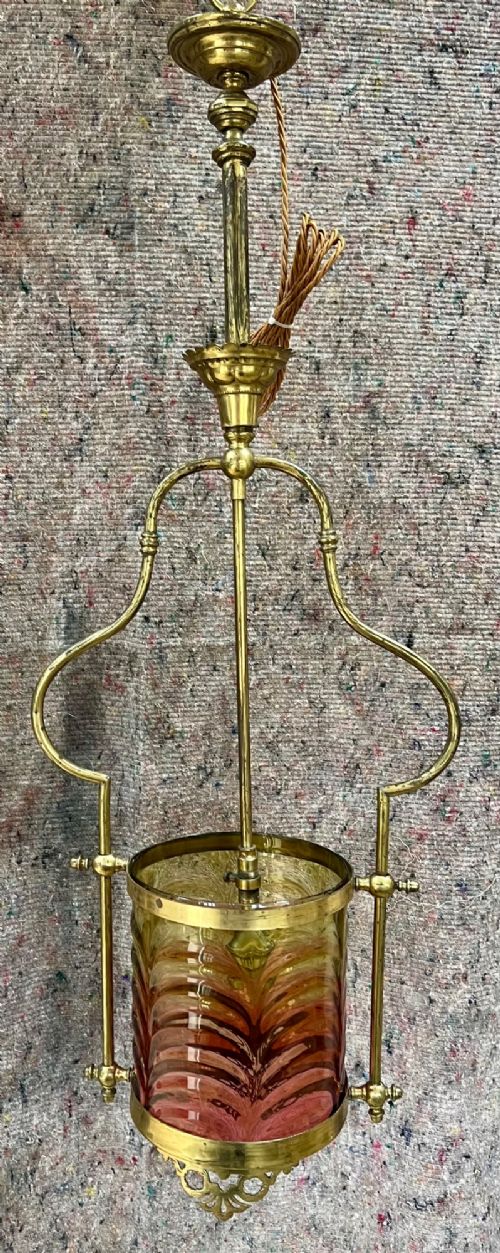
The construction relies on combinations of glass and metal, specifically utilising brass, copper, chrome, and standard metal alongside frosted, cut, leaded stained, opaline, crackle, and hand-painted glass. Makers shaped these materials into slip shades, globes, and intricate shades suspended by chains or fixed directly to metal backplates.
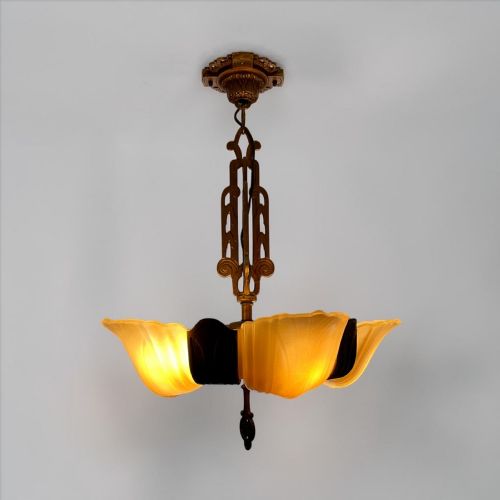
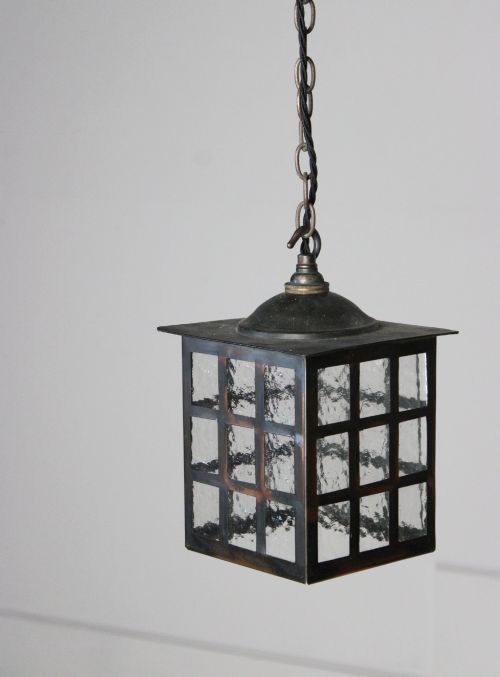
Metal components provide structural support through cast and spun brass or chrome frames, while glass elements introduce colour and texture. Techniques range from leaded assembly in porch lanterns to mould-blown slip shades in Art Deco ceiling lights.
Art Glass Fixture Retail Price Guide 2026
Typical asking prices for art glass fixture among the pieces listed under this phrase on Sellingantiques today, from the lower quarter to the upper quarter. They describe what is for sale here now, not the wider market.
Listings span from the 1880s through the 1930s, uniting Victorian, Edwardian, Art Nouveau, Arts and Crafts, and Art Deco design styles.
Judging quality and execution
Quality reveals itself in the weight and finishing of the metalwork, whether polished brass, chrome, or copper, and the complexity of the glass forming. Signature work by known designers or documented potteries and glasshouses elevates a piece above standard commercial production.
The integration between the glass shade and its metal mount indicates superior craftsmanship, particularly in multi-tier chandeliers and matching wall sconces. Original patination and undamaged shades with consistent coloration separate finer examples from later replacements.
Charles Schneider·Degué·Émile-Jacques Ruhlmann
The Art Glass Fixture Glossary
- Plafonnier
- A ceiling light fixture designed to sit flush or close to the ceiling surface. These often feature decorative glass bowls that diffuse the light directly downwards.
- Slip shade
- A type of moulded glass shade that slides or slips into a metal frame or basket on a ceiling light or wall sconce. Popular during the Art Deco period.
- Hall lantern
- An enclosed hanging light traditionally placed in entrance halls or corridors. They combine metal frames with glass panels, sometimes originating from candle-lit antecedents.
- Rise and fall
- A mechanical ceiling light suspension system utilising counterweights or pulleys to adjust the height of the fixture. This allows the user to raise or lower the pendant as needed.
- Opaline glass
- A milky, semi-translucent glass that diffuses light softly. It appears frequently in pendant lights from the early twentieth century.
Art Glass Fixture: Frequently Asked Questions
How do I hang a heavy art glass fixture?
Heavily weighted chandeliers and large hall lanterns require direct anchoring into ceiling joists using suitable metal brackets or hooks. Professional wiring and structural installation ensure the weight is supported safely without damaging the ceiling plaster.
Older fixtures often utilise brass chains or robust rods that can be adjusted to the desired drop. Consulting a qualified electrician guarantees that the internal wiring meets current safety standards while preserving the original metal fittings.
What periods do these light fixtures come from?
The lighting designs span from the late nineteenth century, including Victorian and Edwardian examples, through to the height of the Art Deco movement in the 1920s and 1930s. Each era utilises distinct stylistic markers, such as organic floral motifs in Art Nouveau or geometric symmetry in Art Deco.
Identifying the era involves examining the metal alloys, the wiring methods, and the glass manufacturing techniques. Arts and Crafts pieces tend to display hand-worked copper and brass, whereas 1930s examples often incorporate chrome and moulded slip shades.
How do I clean antique glass shades?
Cleaning antique glass requires removing the shades from the metal frame whenever possible to avoid straining old solder or fixures. Lukewarm water and mild soap remove dust and grease without harming hand-painted details or fragile surfaces.
Avoid abrasive cloths or harsh chemical cleaners that can scratch cut glass or strip patination from brass and copper mounts. Dry the glass thoroughly with a lint-free cloth before reassembly.