




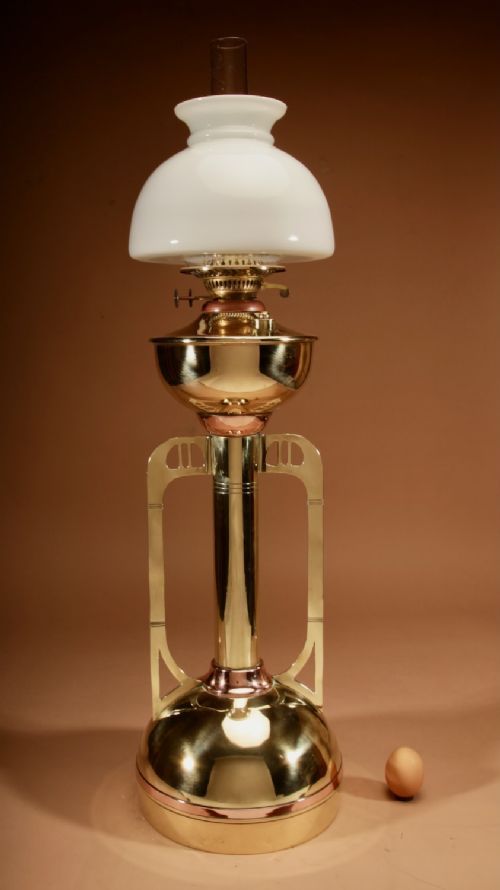
Art Glass Desk Lamp
An art glass desk lamp brings the luminous craft of the early twentieth century directly to a working space.
Art Glass Desk Lamp
An art glass desk lamp combines functional illumination with the distinctive decorative movements of the late nineteenth and early twentieth centuries. Pieces here span periods from the nineteenth century through the 1940s, encompassing Art Deco, Art Nouveau, Arts and Crafts, and Secessionist styles.
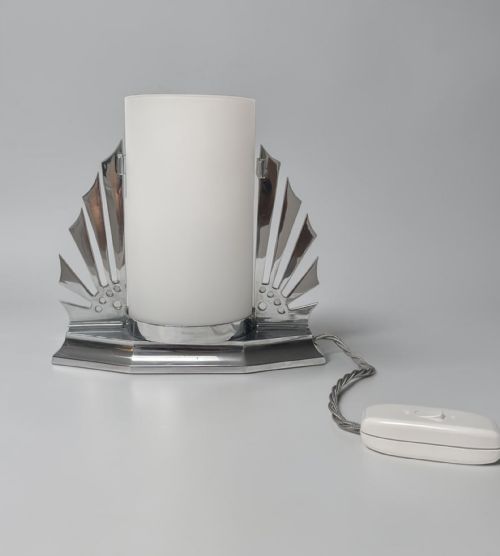
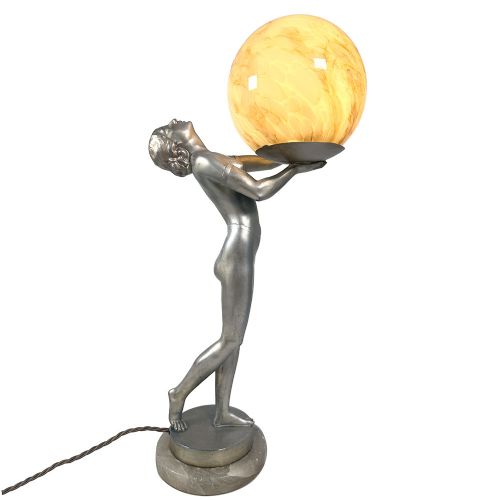
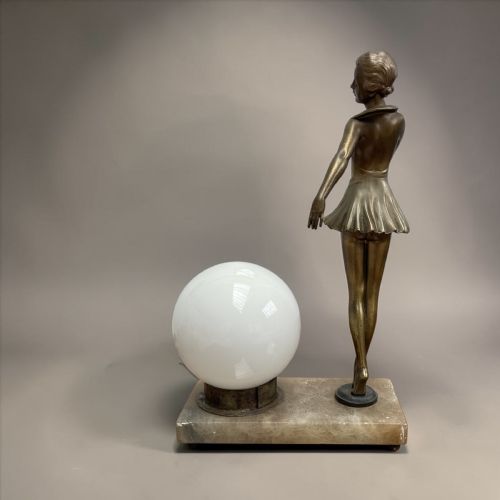
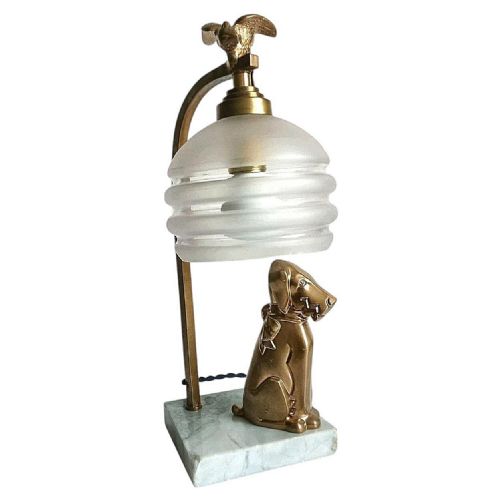
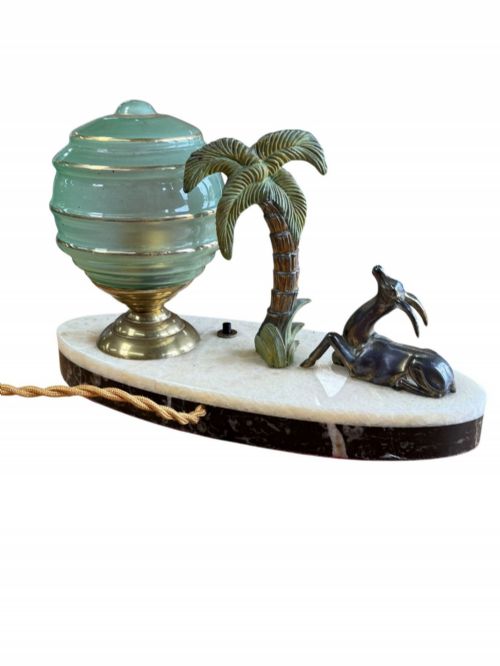
The versions met most frequently on this page take the form of table and desk lamps featuring glass shades paired with bases of brass, marble, bronze, spelter, chrome, or wrought iron. Many incorporate figural elements such as standing ladies, animals, or floral motifs characteristic of French and English design.
Materials and construction
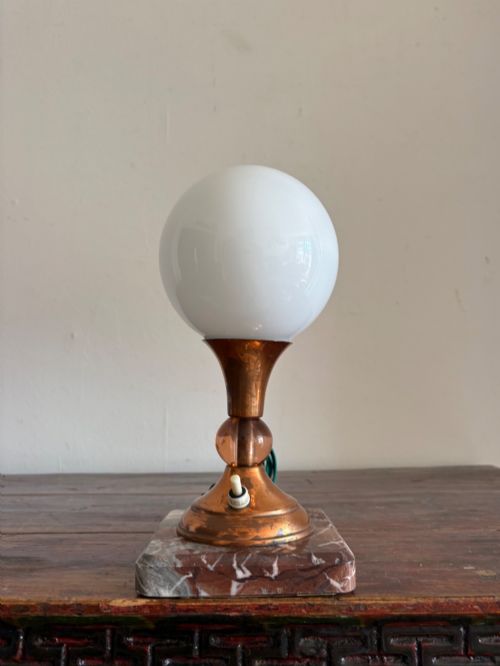
Makers utilised glass alongside structural metals like brass, copper, bronze, chrome, and wrought iron, often mounting them on heavy bases of marble, onyx, or wood to provide stability.
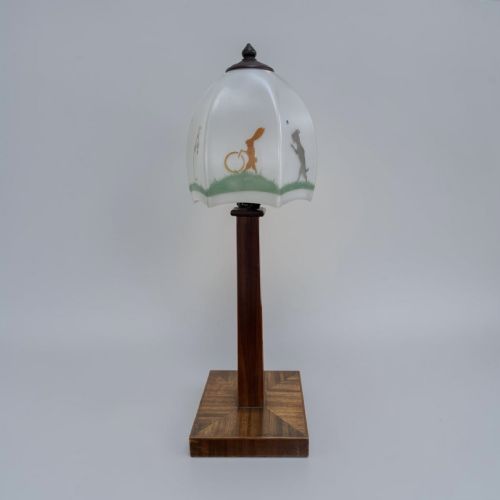
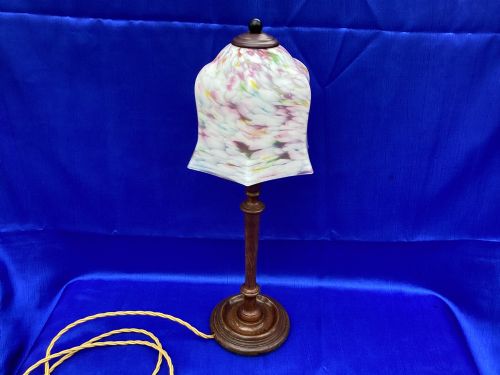
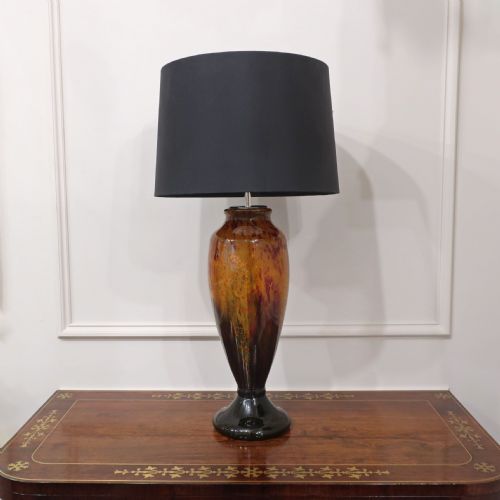
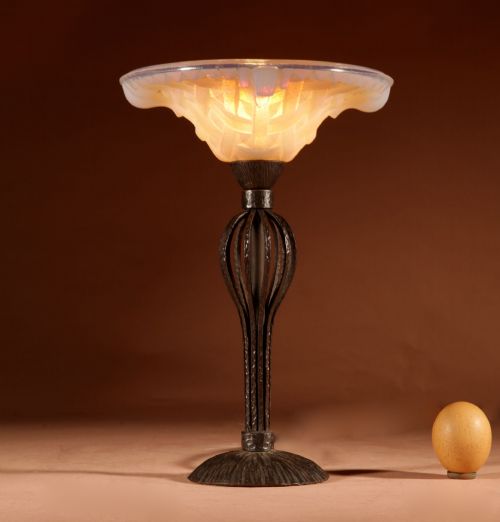
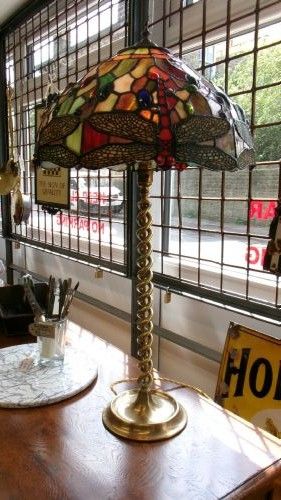
Shades and bodies display specialised techniques including frosted glass, opaline glass, mottled glass, enamelled glass, and cut glass crystal, frequently complemented by patinated or silver-plated metalwork.
Art Glass Desk Lamp Retail Price Guide 2026
Typical asking prices for art glass desk lamp among the pieces listed under this phrase on Sellingantiques today, from the lower quarter to the upper quarter. They describe what is for sale here now, not the wider market.
Dogs, parrots, and dancing ladies keep watch over the paperwork.
Distinctions in quality
Quality is measured by the execution of the glasswork and the integrity of the base materials, where signed or attributed pieces by notable makers demonstrate superior artistic vision and heavier, more deliberate metal casting.
The harmony between shade and base dictates the success of a piece, distinguishing mass-produced utilitarian lighting from the balanced proportions of sculptural novelty lamps.
Fratelli Toso·Charles Schneider·Gustave Serrurier Bovy·Georges Leleu·Eileen Grey·Daum·Karl Ens·Anton Buschelberger·Muller Bros·Baccarat·Farraday and Son·The Charles Parker Company
The Art Glass Desk Lamp Glossary
- Art Deco
- A design style characterised by sleek geometric shapes, stylised figures, and modern industrial materials popular during the 1920s and 1930s.
- Art Nouveau
- An ornamental style featuring flowing, organic lines inspired by natural forms, prevalent around the turn of the twentieth century.
- Opaline glass
- An opaque or translucent glass with a delicate milky appearance, often used for soft light diffusion in period shades.
- Spelter
- A zinc alloy commonly cast into decorative figural bases and patinated to imitate bronze during the early twentieth century.
- Millefiori
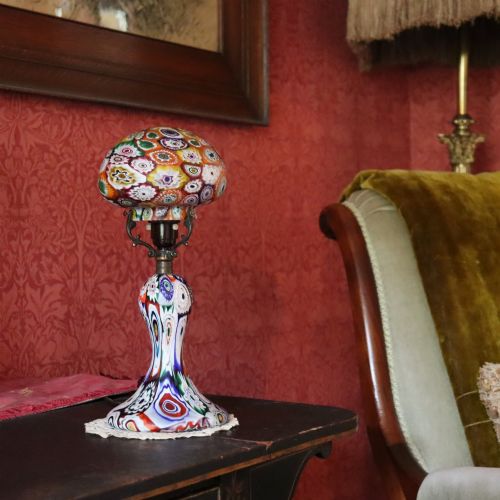
- A glasswork technique producing distinctive multicoloured mosaic patterns, seen particularly in Italian pieces.
Art Glass Desk Lamp: Frequently Asked Questions
What periods do these lamps come from?
The selection spans the late nineteenth century through the 1940s, with a strong representation of pieces from the 1920s and 1930s.
Design influences range from Victorian arts and crafts to the height of European art deco.
How were these lamps used originally?
They served as functional task lighting for desks and reading tables, as well as decorative mood lighting in domestic interiors.
Many incorporated figural motifs or clocks to combine utility with ornamental display in reception rooms and offices.
How do I live with an antique lamp?
These pieces integrate well into modern workspaces and living areas when paired with appropriate low-heat contemporary bulbs that respect fragile historical glass.
Their substantial marble and metal bases provide sturdy placement on side tables and desks.
How do I tell different styles apart?
Art Nouveau pieces feature fluid, organic lines and floral motifs, whereas Art Deco examples favor geometric rigidity and stylised figures.
Materials also shift by era, moving from heavy patinated bronzes towards polished chrome and bakelite as the decades progress.