

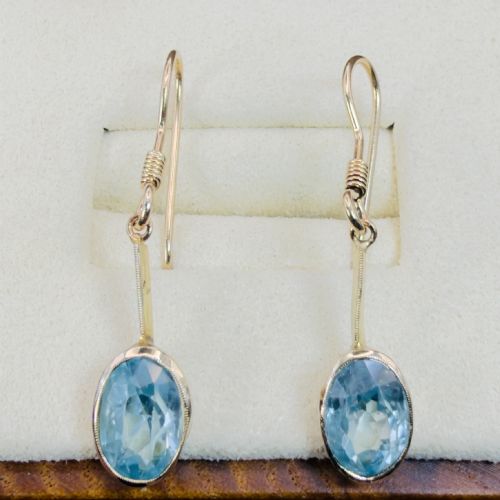


Art Deco Zircon Jewellery
Art deco zircon jewellery brings high-refractive sparkle and geometric precision to vintage rings, pendants, earrings, and brooches.
Art Deco Zircon Jewellery
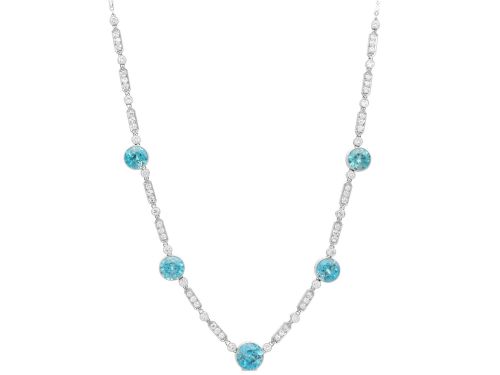
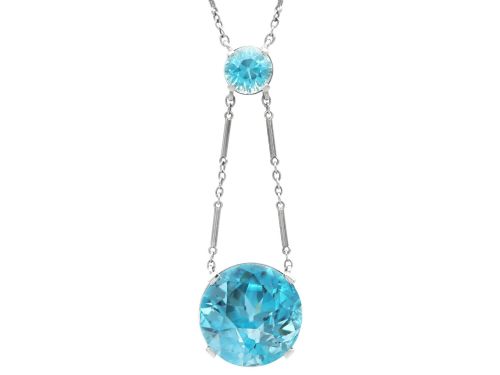
Art deco zircon jewellery encompasses rings, earrings, necklaces, pendants, and brooches dating from the 1920s, 1930s, and 1940s. These pieces showcase the period's distinct geometric aesthetic through symmetrical stone arrangements and clean structural lines.
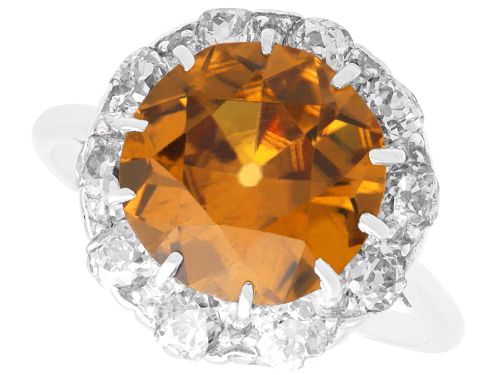
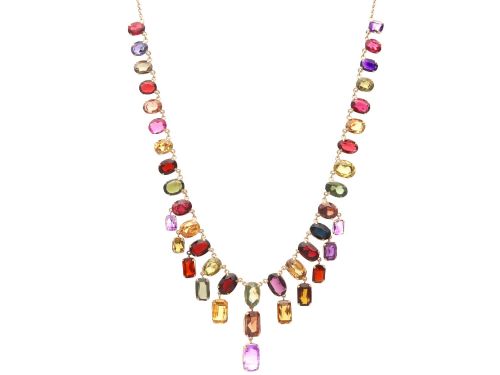
The selections on this page feature natural zircon stones paired frequently with diamonds, amethysts, iolite, and marcasite. Forms range from delicate blue zircon solitaire rings to substantial cluster rings and fringe necklaces set in platinum, white gold, 9ct gold, and 9ct rose gold.
Materials and Construction
Goldsmiths and platinumsmiths of the era utilised precious metals including platinum, 18ct white gold, 9ct yellow gold, and 9ct rose gold to construct secure settings for large focal stones. Metalwork often integrated fine claw settings and millegrain edges to frame the gems.
The construction relies heavily on contrasting gemstones, pairing vivid blue zircons and high zircons with sparkling diamond accents. Artisans also incorporated mixed media such as silver-topped gold and colourful supplementary stones like amethyst and iolite to heighten visual depth.
Art Deco Zircon Jewellery Retail Price Guide 2026
Typical asking prices for art deco zircon jewellery among the pieces listed under this phrase on Sellingantiques today, from the lower quarter to the upper quarter. They describe what is for sale here now, not the wider market.
Some fringe necklaces carry over sixty carats of zircon, proving the twenties possessed zero concept of minimalism.
Assessing Quality and Execution
The calibre of art deco zircon jewellery rests upon the stone size, brilliance, and the precision of the metal setting. Larger focal zircons with exceptional carat weights, combined with substantial diamond pavé or cluster work, represent the finest tier.
Design complexity and metal selection further differentiate the pieces. Platinum and 18ct gold settings housing high-carat zircons demonstrate superior manufacturing execution compared to simpler 9ct gold iterations.
The Art Deco Zircon Jewellery Glossary
- Zircon
- A natural gemstone known for strong dispersion and brilliance that rivals diamond. It occurs in various shades including blue and high zircon varieties.
- Art Deco
- A design style dominant in the 1920s and 1930s characterised by symmetry, geometric motifs, and streamlined forms. It influenced all aspects of jewellery fabrication during the period.
- Cluster Ring
- A ring design featuring a prominent central stone surrounded by a tighter grouping of smaller gems. This arrangement maximises overall light reflection.
- Millegrain
- A decorative technique involving a row of tiny raised metal beads along the edge of a setting. It softens the metal profile and adds textural detail.
- Old Cut
- A historic diamond cutting style predating modern brilliant cuts, featuring a small table, high crown, and open culet. These cuts produce a softer, candlelight sparkle.
Art Deco Zircon Jewellery: Frequently Asked Questions
Are zircons natural gemstones?
Yes, natural zircon is a genuine earth-mined mineral prized for its intense fire and brilliance.
It should not be confused with synthetic cubic zirconia, which is a modern laboratory-created diamond simulant.
How do I clean antique zircon jewellery?
Clean these delicate pieces gently using warm water, mild washing-up liquid, and a soft-bristled brush.
Avoid harsh chemical cleaners, ultrasonic baths, and steam cleaning, as antique settings and softer coloured stones require careful handling.
Can I wear art deco rings daily?
While platinum and gold settings are durable, antique rings require thoughtful care during everyday wear.
Zircons have good hardness, but facet edges can chip under sharp impacts, so removing rings during heavy manual tasks is advisable.
How can I tell if a piece is art deco?
Authentic art deco pieces display structural symmetry, linear geometry, and specific metal combinations typical of the 1920s and 1930s.
Examining the construction methods and stone cuts helps verify the period of origin.