
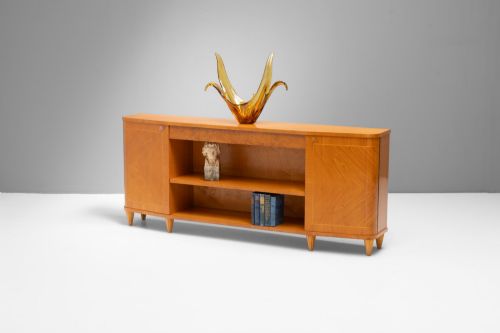
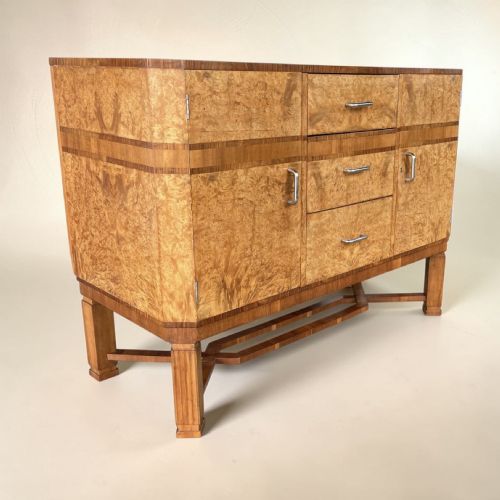
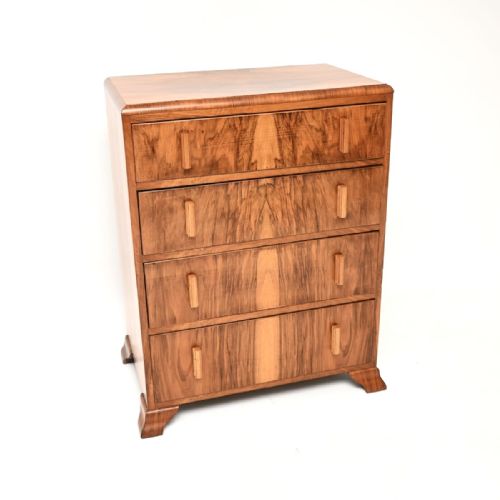
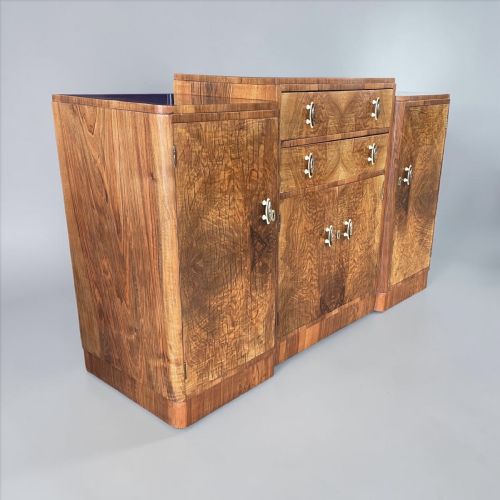
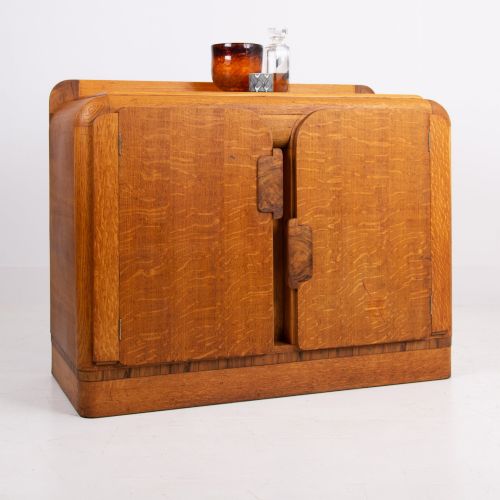
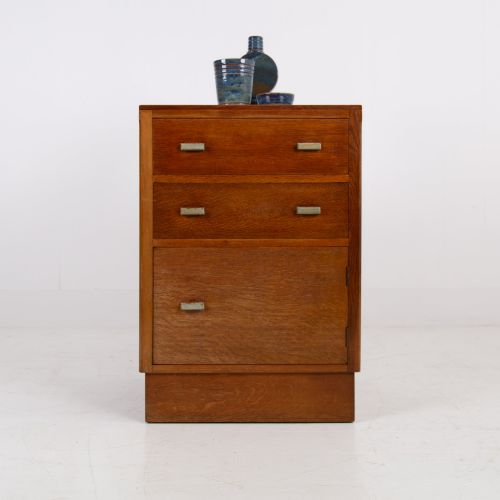
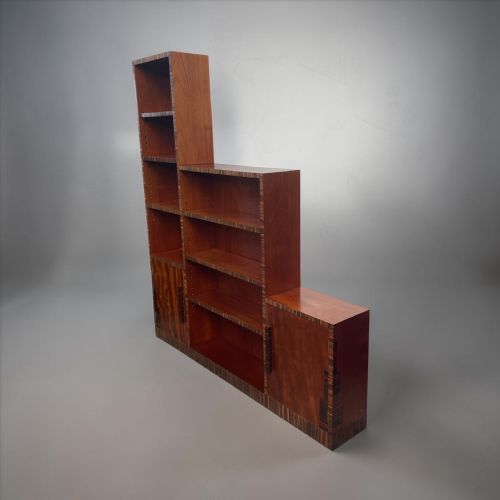
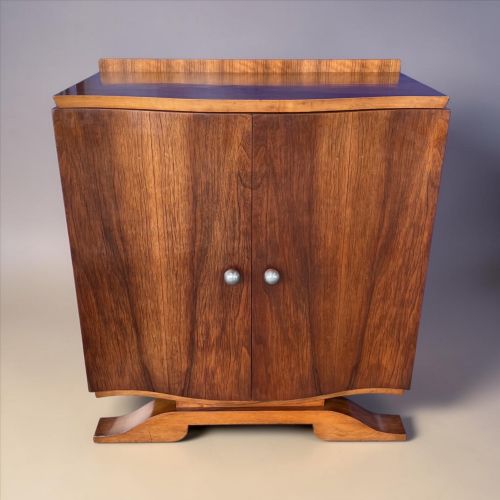

Art Deco Wooden Storage Cabinet
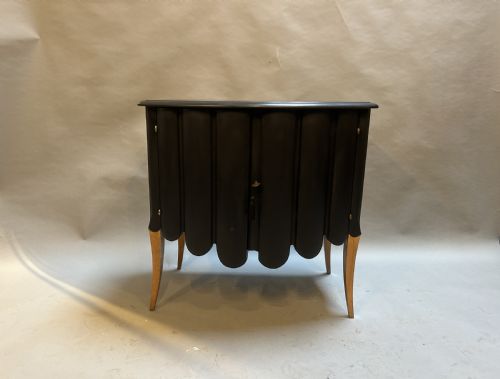
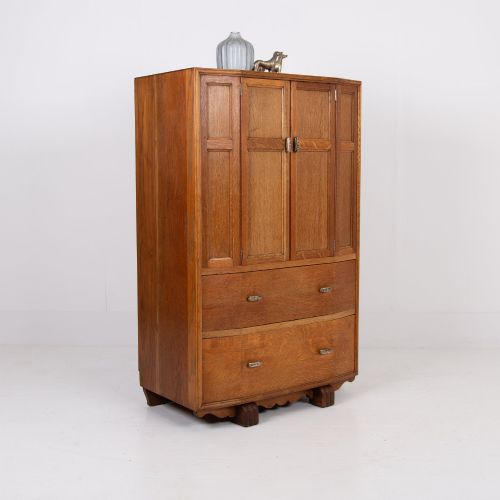
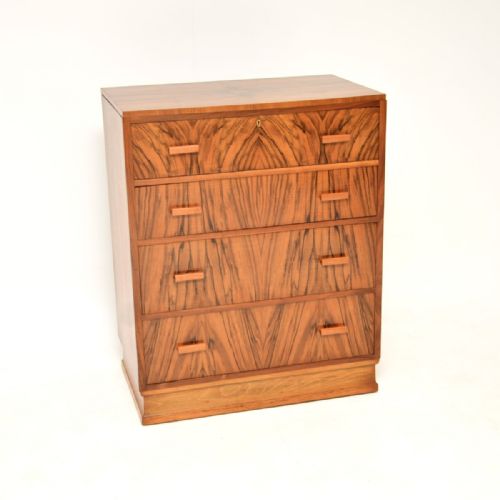
An art deco wooden storage cabinet brings clean geometry and striking veneers into a room while hiding clutter behind fitted doors.
Art Deco Wooden Storage Cabinet
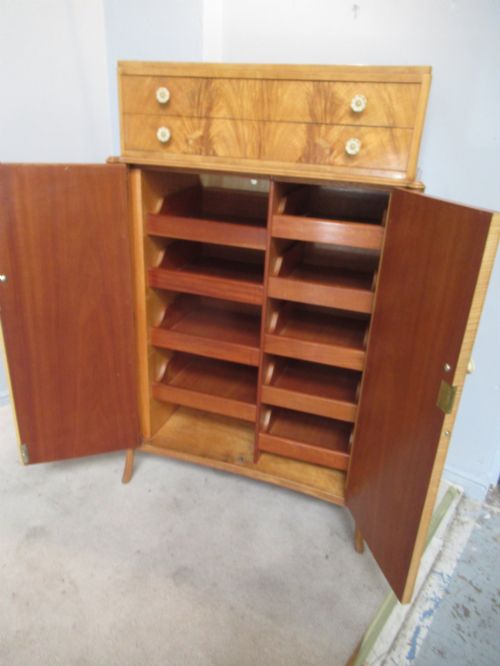
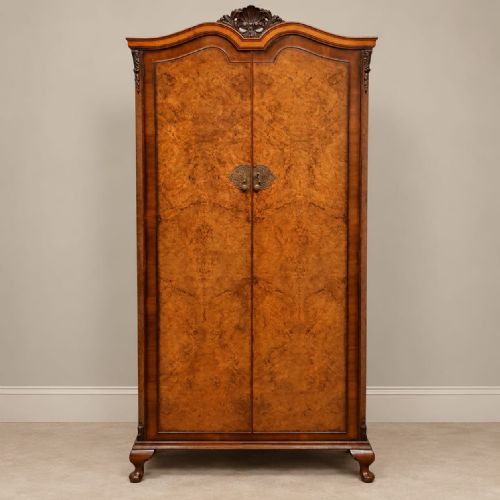
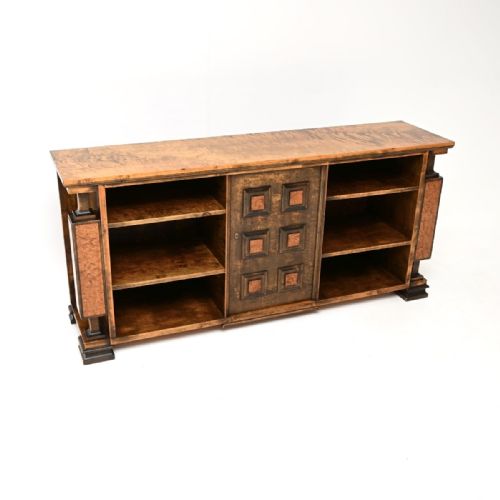
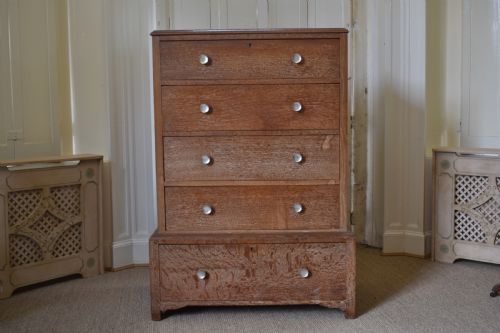
An art deco wooden storage cabinet appears in various forms on this page, ranging from sideboards and tallboys to chests of drawers, bookcases, and specialised music or cutlery cabinets. These pieces serve domestic organizational needs while showcasing the distinctive lines and symmetrical forms popular in the early twentieth century.
The pieces listed span the 1910s through the 1930s, with Edwardian and earlier twentieth-century examples also represented. Alongside standard domestic cabinets, buyers find variations such as wall cabinets, commodes, filing cabinets, and drinks cabinets.
Origins vary across England, France, and Scandinavia, bringing different regional interpretations to the style. Swedish and other Scandinavian pieces often utilise lighter timbers like birch, whereas English and French versions lean towards rich walnut and oak.
How they were made
Cabinet makers utilised solid hardwoods such as oak, mahogany, and hardwood alongside complex wood veneers. Figured walnut and burr walnut appear frequently, applied to create striking patterns across large flat drawer fronts and cabinet doors.
Surface treatments and contrasting elements include ebonising, liming, and satin birch, complemented by metal and brass hardware. Certain items incorporate specialist joinery like tambour fronts and stepped profiles to achieve the sculptural silhouette typical of the period.
Some cabinets feature tambour doors that slide smoothly around corners, hiding away contents with mechanical satisfaction.
What varies in quality
The caliber of a piece often rests on the selection and matching of the veneer. Figured and burr walnut surfaces require expert book-matching to create symmetrical visual patterns across doors and drawer banks.
Construction methods and secondary materials distinguish standard production from works by notable makers. Structural integrity in internal fittings, drawer linings, and the crisp execution of stepped or curved profiles determine the relative standing of individual cabinets.
Gomme·The Bowman Brothers·Heal's·Otto Schulz for Boet
The Art Deco Wooden Storage Cabinet Glossary
- Tallboy
- A tall chest of drawers, often standing upon a matching base or lower cabinet section.
- Sideboard
- A long low piece of furniture placed in dining rooms for storing tableware and serving food.
- Tambour
- A surface constructed from narrow strips of wood glued to a flexible canvas backing, allowing doors to slide around curves.
- Veneer
- A thin slice of figured wood applied over a stable secondary timber carcass to provide decorative patterns.
- Commode
- A low chest of drawers or cabinet originating in France, typically standing on relatively short legs.
Art Deco Wooden Storage Cabinet: Frequently Asked Questions
Where were these cabinets made?
The pieces originate from various European countries, with examples from England, France, and Scandinavia. Each region brought distinct local timbers and aesthetic preferences to the design.
English workshops frequently used oak and walnut, while French and Scandinavian makers often incorporated exotic veneers, birch, and elm.
How do I identify a sideboard from a buffet?
Sideboards and buffets both provide storage in dining spaces, though sideboards typically feature longer proportions and specialised internal fittings.
Many examples listed here are specifically designed for cutlery or service storage behind panelled doors.
What is burr walnut?
Burr walnut comes from a tree growth or knot where the grain has grown in a deformed, swirling manner. This creates highly decorative and complex patterns when sliced into thin veneers.
Cabinets featuring burr walnut usually display these panels prominently on the main doors or drawer fronts.
How should I care for a wood veneer cabinet?
Keep wooden cabinets away from direct sunlight and significant temperature fluctuations to prevent the underlying veneer from lifting or cracking. Dust regularly with a dry cloth and avoid harsh chemical polishes.
Occasional applications of suitable wax help maintain the lustre of the polished hardwood surface.