




Art Deco Vanity Perfume Bottle
These art deco vanity perfume bottle designs bring geometric precision and coloured glass to the dressing table.
Art Deco Vanity Perfume Bottle
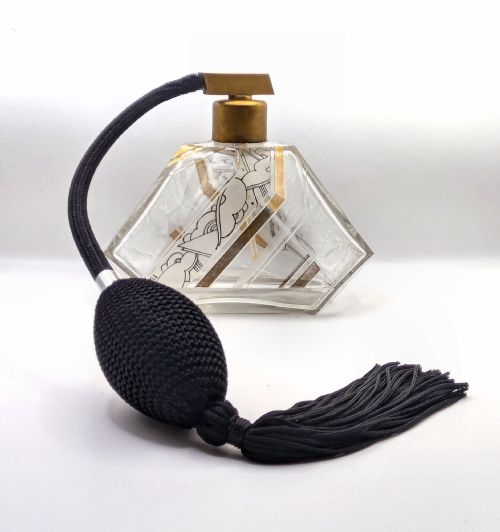
An art deco vanity perfume bottle is a functional dressing table accessory made primarily during the 1920s and 1930s. The forms range from simple geometric scent bottles to elaborate atomisers and matching vanity sets.
Most examples found here originate from France, England, and Czechoslovakia. Buyers encounter moulded glass, cut crystal, and heavy silver mounts frequently across the selection.
How They Were Made
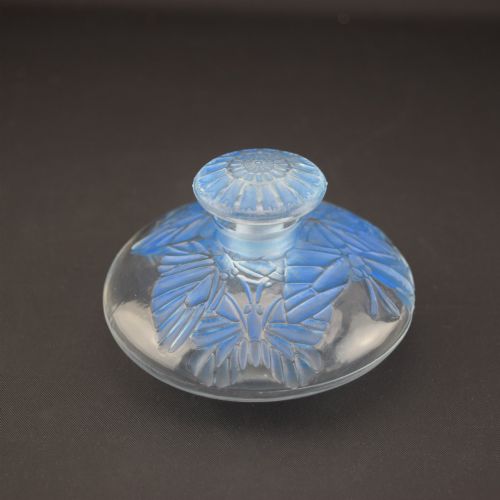
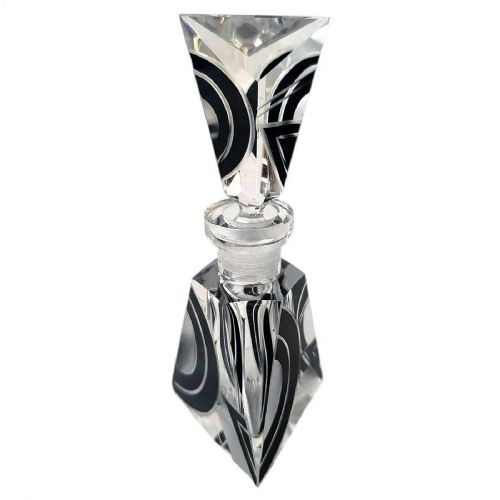
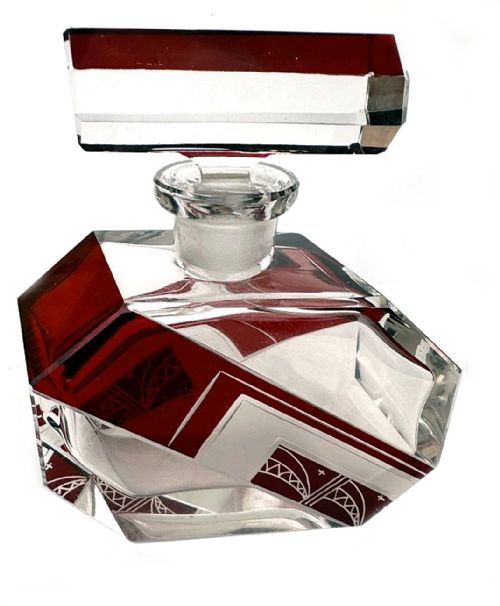
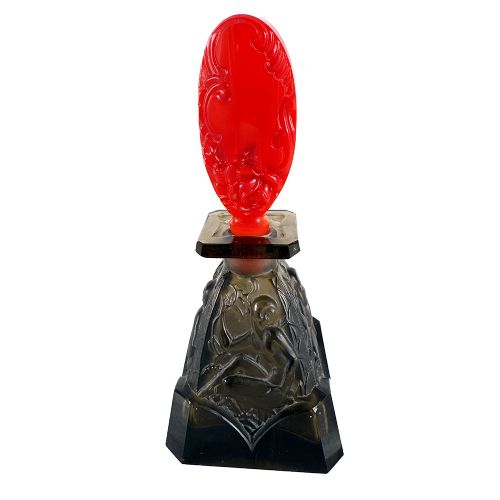
Makers utilised pressed and moulded glass techniques, often employing opalescent or stained finishes to highlight tactile surface reliefs. Cut glass and crystal vessels relied on precise wheel-cutting to create sharp geometric facets.
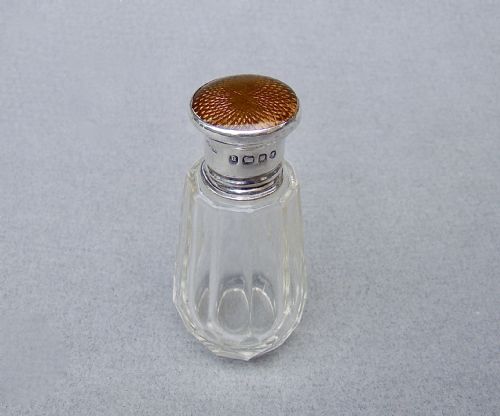
Metal components involved sterling silver collars, chrome fittings, and hand-applied guilloche enamel in vibrant shades. Artisans combined these materials with tortoiseshell, mother of pearl, and fabric accents.
Materials across the listings span clear cut glass, heavy crystal, sterling silver, and coloured enamel.
What Varies in Quality
Quality rests upon the crispness of the glass moulding or the depth of the wheel-cut facets. Pieces produced by prominent designers display superior handling of opacity, staining, and relief work.
The integrity of metal mounts and the preservation of guilloche enamel distinguish finer examples. Original atomiser mechanisms, matching stoppers, and associated boxes elevate the status of an item.
Rene Lalique·Karl Palda·Henry Perkins·Rudolf Hlousek·Barnsley and Co·Adie Brothers Ltd·Hermanova
The Art Deco Vanity Perfume Bottle Glossary
- Atomiser
- A perfume bottle fitted with a spray mechanism and bulb. These devices allowed users to mist scent directly onto skin or clothing.
- Guilloche
- A decorative technique involving precise mechanical engraving beneath transparent enamel. This method produced repetitive geometric patterns on silver mounts.
- Opalescent glass
- A milky glass type that displays shifting translucent colours when turned in the light. It was widely utilised by French makers for sculptural scent bottles.
- Mirror plateau
- A mirrored tray placed on the dressing table to display perfume bottles and vanity sets. They reflect light upward through coloured glass vessels.
Art Deco Vanity Perfume Bottle: Frequently Asked Questions
How do I identify a Czech glass scent bottle?
Czech pieces, particularly those from makers such as Karl Palda, often feature bold geometric cutting and contrasting enamel colours. They tend to be heavier and employ striking combinations of black, green, or clear glass.
Many examples originate from the Bohemia region and incorporate moulded details or metallic overlays. Their aesthetic frequently leans toward abstract modernist patterns rather than figurative sculpture.
Were atomisers and stopper bottles used differently?
Bottles with stoppers were unsealed and tipped to apply perfume directly to the skin or a dabber. Atomisers used a squeeze bulb and internal tube to create a fine spray mist.
Atomiser mechanisms require flexible rubber tubing and bulbs, which often degraded over time. Stopper bottles rely entirely on the precision fit of the ground glass neck.
How should I display glass perfume bottles?
Placing bottles on a mirrored plateau enhances the refractive qualities of cut and opalescent glass. Grouping items by period or colour creates a balanced visual arrangement on a dressing table.
Direct sunlight should be avoided to prevent fading on enamelled surfaces and stained glass treatments. Care must be taken to support heavy silver mounts when moving the vessels.