



Art Deco Tea Spoon
An art deco tea spoon brings geometric flair and vibrant colour to the daily ritual, offering a tangible slice of modernist design.
Art Deco Tea Spoon
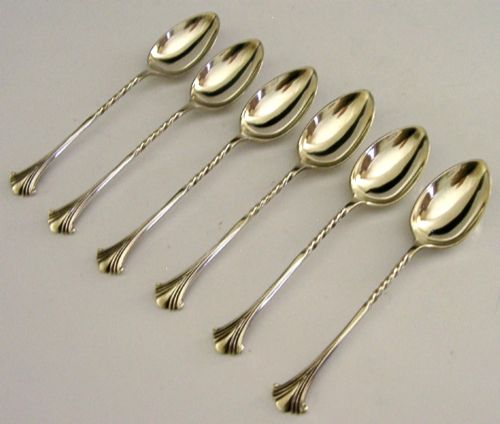
An art deco tea spoon represents the streamlined, modernist aesthetic of the interwar years, appearing in single examples or matched sets. Buyers seeking an art deco tea spoon frequently encounter complete sets housed in original cases, often numbering four, six, or twelve items.
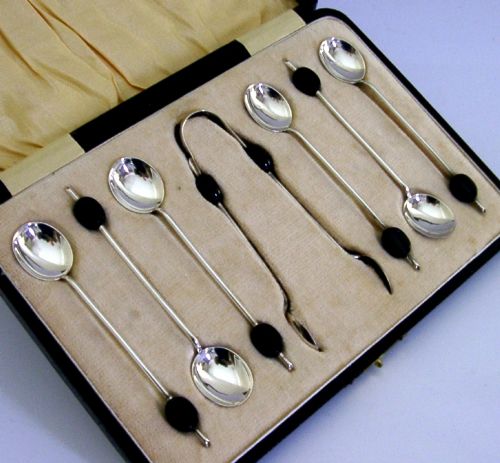
The forms span from straightforward sterling silver spoons to elaborate iterations featuring coloured enamel bowls or handles. Alongside traditional teaspoons, related coffee spoons and bridge spoons emerge from the 1920s, 1930s, and 1940s periods.
Most examples hail from the George V era and the subsequent decades, reflecting the robust silversmithing output of the mid-twentieth century. These pieces bridge the gap between utilitarian cutlery and miniature works of decorative art.
Materials and construction methods
Silversmiths utilised solid sterling silver and silver gilt, shaping the metal to reflect the bold, geometric sensibilities of the period. Hallmarks stamped into the silver provide official confirmation of the metal standard and assay office origins.
Enamel work applied to silver surfaces introduces vibrant colour panels, often patterned with abstract or linear motifs typical of the 1930s. Supplementary materials such as Bakelite appear on specialised bridge spoons, while fitted presentation cases frequently utilise satin, velvet, or leatherette linings.
Art Deco Tea Spoon Retail Price Guide 2026
Typical asking prices for art deco tea spoon among the pieces listed under this phrase on Sellingantiques today, from the lower quarter to the upper quarter. They describe what is for sale here now, not the wider market.
The documented forms range from standard teaspoons and coffee spoons to complete coffee service sets and bridge spoons.
Assessing quality and craftsmanship
The presence of undamaged, vibrantly coloured enamel distinguishes superior spoons from plainer silver examples, as skilled hand-applied vitreous enamel requires precise firing. Intricate guilloche patterns beneath translucent enamel elevate the visual depth and overall desirability of a set.
The survival of the original fitted case lined with satin or velvet adds significant context and protection, indicating a well-preserved heritage. Crisp hallmarks and substantial silver weight further separate standard production items from finer silversmith output.
The Art Deco Tea Spoon Glossary
- Sterling silver
- A silver alloy containing 92.5 percent pure silver by mass, standard for quality British cutlery. Hallmarks stamped on the reverse confirm this composition.
- Silver gilt
- Sterling silver that has been coated with a thin layer of gold, creating a rich yellow sheen across the spoon. This technique was frequently applied to coffee and tea spoons for decorative effect.
- Enamel
- Vitreous glass fused to metal through high-temperature firing, producing smooth, coloured surfaces on spoon handles. Applied patterns range from solid tones to intricate geometric designs.
- Bakelite
- An early synthetic plastic utilised for handles on specialised bridge spoons during the period. Its durability and distinct tactile quality suited modern manufacturing trends.
- Hallmark
- A series of official marks stamped onto precious metal items to indicate the maker, standard of purity, assay office, and year of testing. These stamps are essential for dating and authenticating silver pieces.
Art Deco Tea Spoon: Frequently Asked Questions
What is an art deco tea spoon?
An art deco tea spoon is a small silver spoon manufactured during the 1920s, 1930s, or 1940s, characterised by modernist geometric designs. These pieces often incorporate coloured enamel or specialised handles.
They were produced both individually and in fitted sets for domestic tea service. Their compact size made them ideal canvases for the bold, stylized motifs of the era.
How were these spoons used historically?
These spoons served a practical function in the formal ritual of afternoon tea, stirring sugar or milk into porcelain cups. They were also employed for coffee service or specialised card games.
Many sets remained in their original presentation cases, suggesting they were reserved for special occasions or given as wedding and anniversary gifts. Today, collectors utilise them for daily dining or display them in fitted boxes.
How do I identify the period of a spoon?
Identifying the period relies heavily on the official hallmarks stamped into the silver, which record the exact year of assay. Stylistic cues such as stepped geometric lines, zigzags, and stylized floral motifs point directly to the 1920s and 1930s.
The presence of coloured enamel and synthetic materials like Bakelite further anchors the pieces to the interwar modernist movement. Comparing the design against dated sets helps narrow down the decade of manufacture.
How should I care for silver and enamel spoons?
Silver spoons require gentle cleaning with a specialised non-abrasive polish to maintain their reflective shine without removing delicate details. Enamelled surfaces demand particular care, avoiding harsh chemical dips that can damage the vitreous glass.
Storing them in lined presentation cases or anti-tarnish rolls protects both the silver and the fragile enamel from scratches. Regular, gentle handling prevents undue wear on the historic metal and decorative coatings.