

Art Deco Table Silver
When you search for art deco table silver, you are looking at functional metalwork and decorative objects from the early twentieth century designed to anchor a room.
Art Deco Table Silver
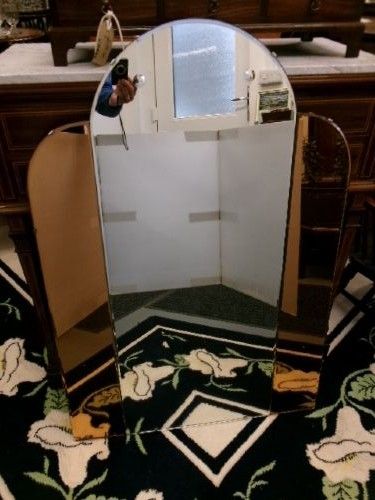
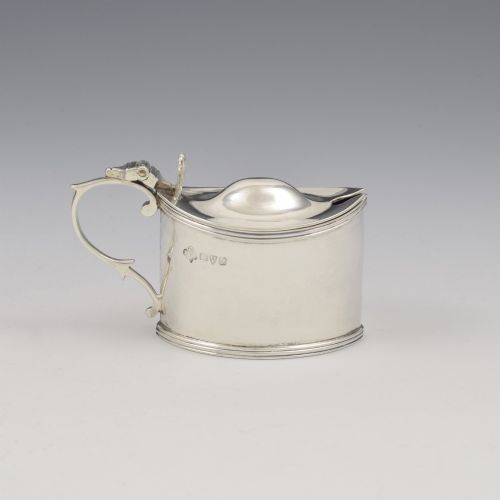
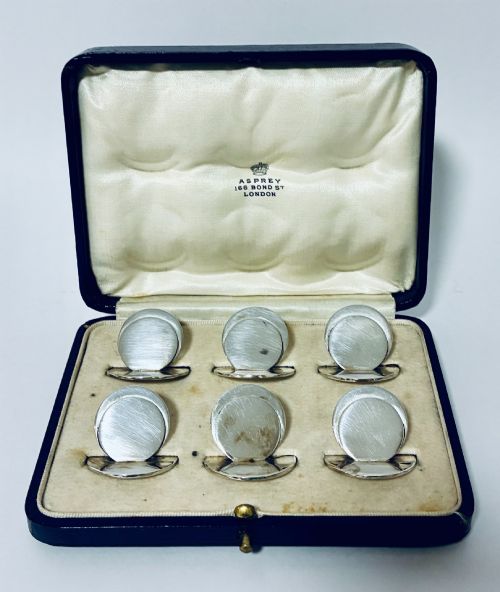
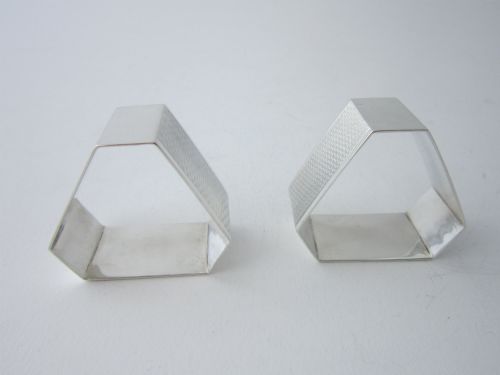
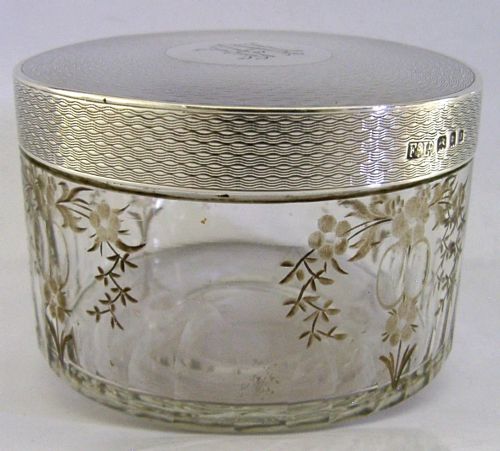
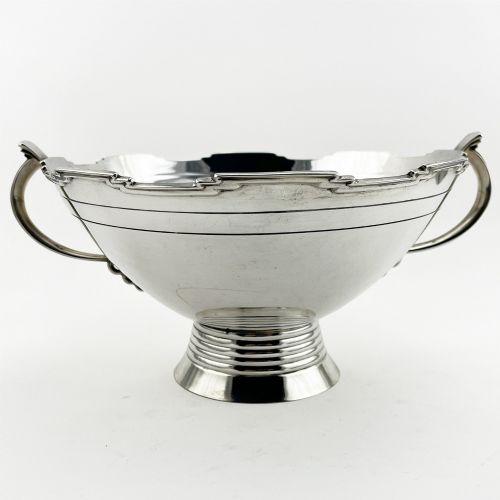
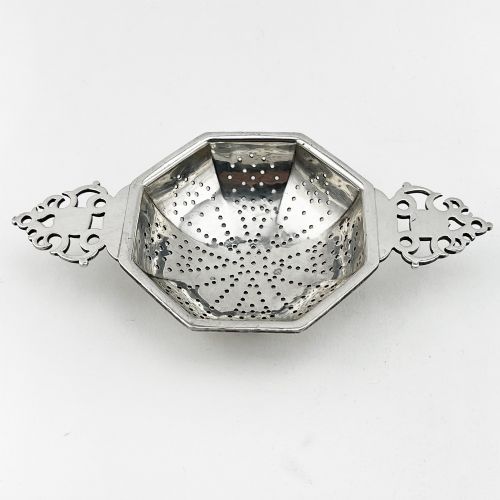
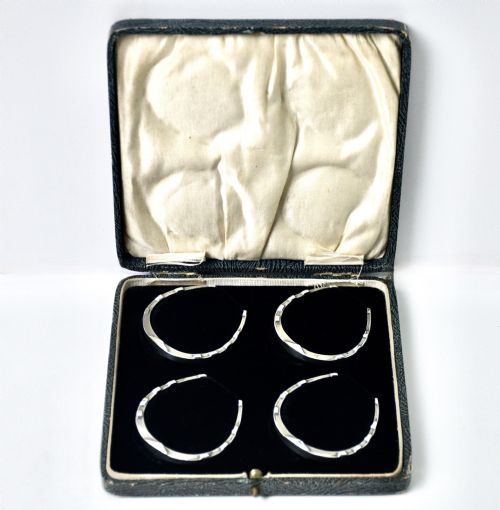
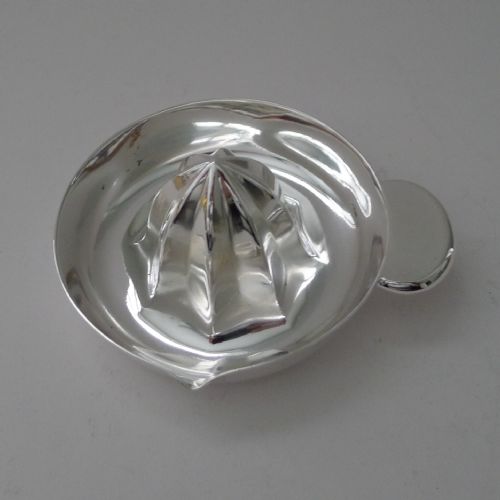
Art deco table silver spans functional dining accessories and dressing table accoutrements produced across the 1920s, 1930s, and into the 1940s. You will encounter cruet sets, napkin rings, cigarette boxes, and serving pieces carrying the geometric lines and stylized motifs characteristic of the period.
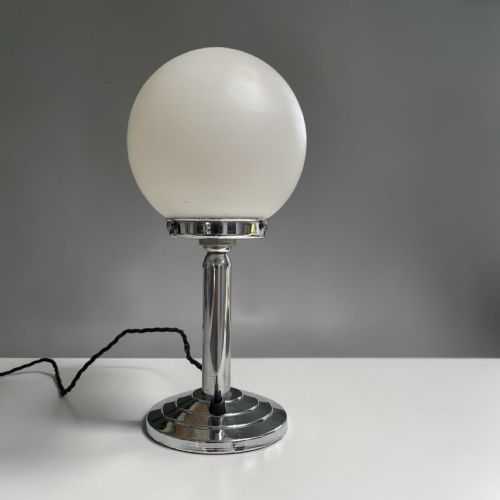
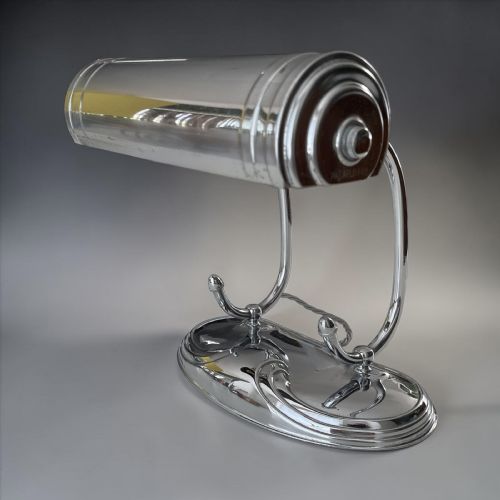
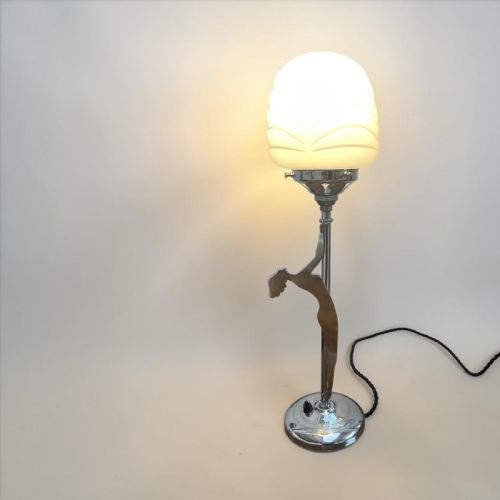
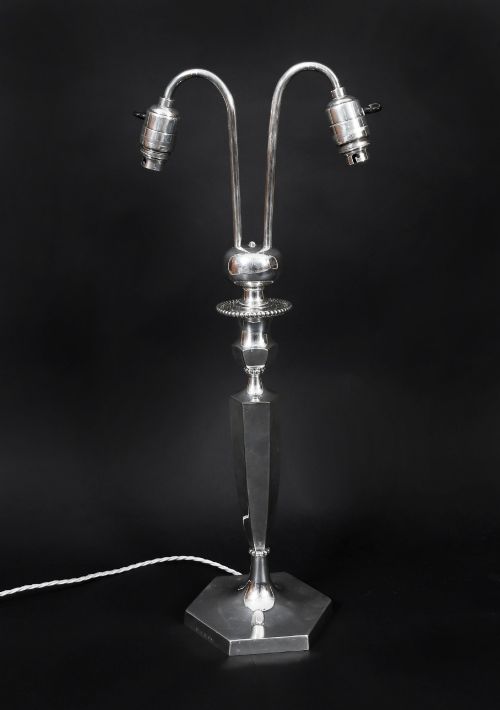
Beyond traditional dining silver, the category frequently extends to related desk clocks, table lamps in chrome and metal, and decorative figures that reflect the machine age aesthetic on a tabletop scale.
Distinctions in standard and finish
Quality rests in the crispness of the geometric casting and the precision of applied decoration. Pieces showing clean engine-turned patterns or intact, unblemished enamel separate themselves from mass-produced utilitarian items.
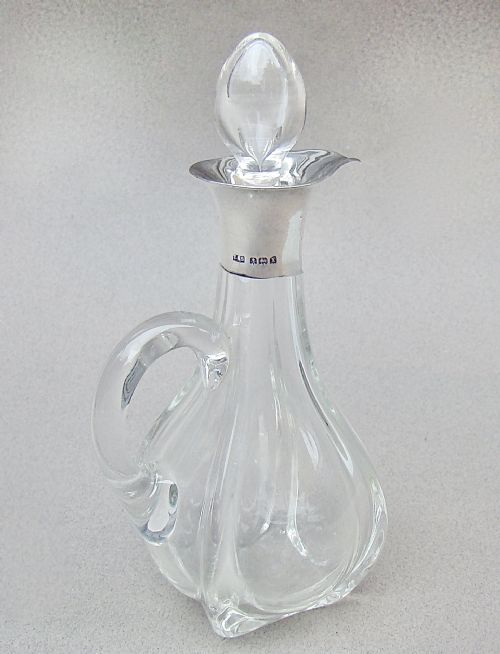
The weight of the metal and the integrity of internal linings, whether cedar in cigarette boxes or cut glass in scent bottles, define the original tier of production. Maker attribution and legible hallmarking further establish the provenance of a piece.
Art Deco Table Silver Retail Price Guide 2026
Typical asking prices for art deco table silver among the pieces listed under this phrase on Sellingantiques today, from the lower quarter to the upper quarter. They describe what is for sale here now, not the wider market.
Listings incorporate items spanning the Edwardian era through the 1950s, utilising sterling silver, chrome, glass, and enamel.
Christofle Paris·Mappin and Webb·Eileen Grey·Henry Clifford Davis·Georg Jensen
The Art Deco Table Silver Glossary
- Guilloche enamel
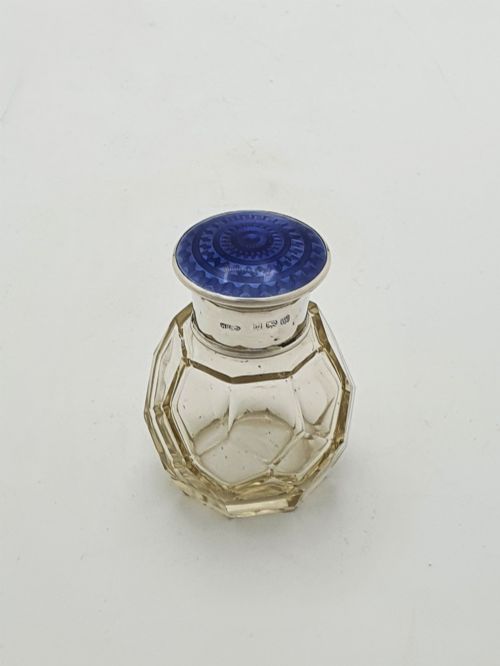
- A decorative technique where a precise geometric pattern is機械-engraved into metal and covered with translucent enamel. It frequently appears on dressing table jars and compact mirrors from the 1920s and 1930s.
- Cruet set
- A matched group of small condiment containers designed to hold salt, pepper, mustard, and vinegar for the dining table. They are typically housed in a dedicated silver frame or stand.
- Sterling silver
- An alloy consisting of ninety-two point five percent silver and seven point five percent other metals, usually copper. British pieces carry distinct town and date hallmarks to verify this standard.
- Machine Age
- A design style from the interwar period that embraced industrial themes, sleek chrome finishes, and aerodynamic forms. It influenced desk accessories, lighting, and table items.
- Tazza
- A small, stemmed ornamental cup or shallow bowl raised on a foot. In silver, these served decorative or small-scale serving functions on sideboards and tables.
Art Deco Table Silver: Frequently Asked Questions
Are these table silver pieces suitable for daily dining use?
Most solid sterling silver napkin rings, cruet sets, and toast racks remain robust enough for regular contemporary dining.
Items featuring delicate guilloche enamel, glass liners, or vintage mechanisms like wind-up clocks require more careful, occasional handling.
How can I date an unmarked or British silver piece?
British items carry a series of hallmarks that include a standard mark, a assay office symbol, and a specific date letter corresponding to the year of assay.
Stylistic markers like machine age geometry or heavier art deco motifs help narrow down pieces produced outside the British hallmark system.
What is the difference between sterling silver and silver plate?
Sterling silver contains a regulated high proportion of pure silver throughout the entire object, bearing official government assay marks.
Silver plate consists of a base metal core, such as copper or nickel brass, coated with a thin outer layer of pure silver.