


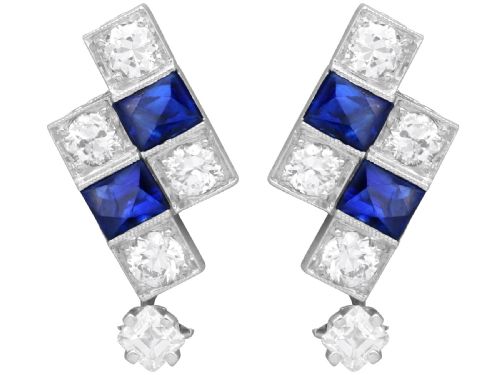

Art Deco Stud Earrings
Art deco stud earrings combine geometric symmetry with exceptional gemstones, offering a wearable piece of 1920s and 1930s design.
Art Deco Stud Earrings
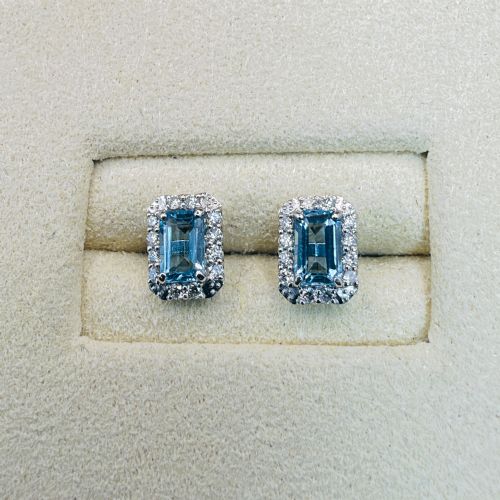
When you search for art deco stud earrings, you encounter items defined by geometric layouts, clean lines, and symmetrical motifs characteristic of the 1920s and 1930s. The versions most commonly met on this page are platinum and 18ct white gold cluster settings that frame central diamonds, sapphires, or aquamarines.
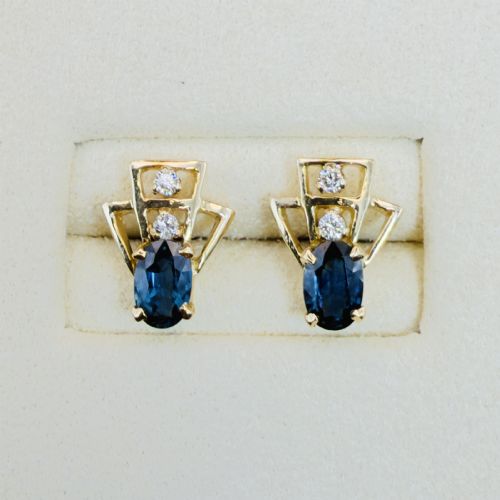
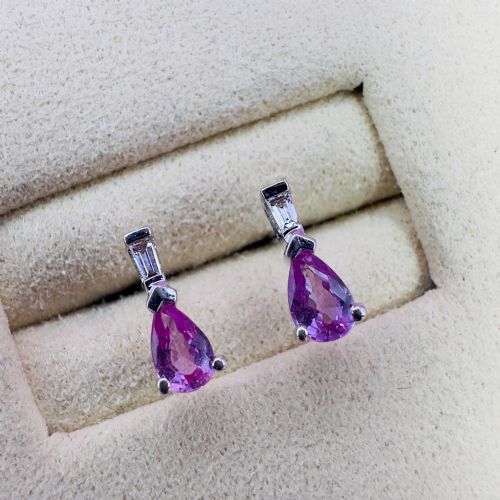
Beyond pure geometric clusters, these pieces frequently incorporate calibré-cut stones, baguettes, and trapezoid accents to enhance the architectural silhouette of the lobe. Many examples originate from the classic interwar period, though later revivals and inspired pieces also appear in the selection.
How they were made
The construction relies heavily on platinum and 18ct white gold, metals chosen for their strength in holding intricate millegrain edges and delicate stone settings. Goldsmiths during this era utilised durable prong and bezel techniques to secure old cut diamonds, emeralds, and sapphires tightly within compact geometric frames.
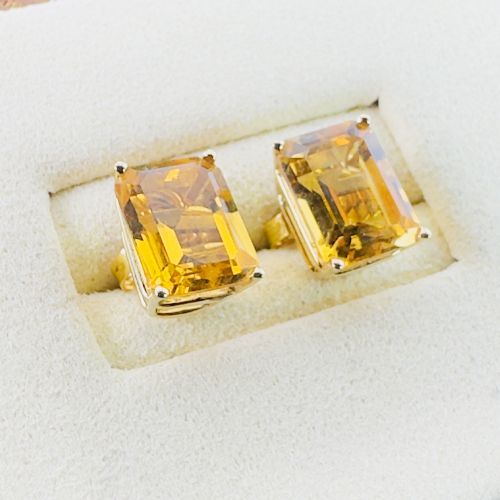
Gemstones were frequently custom-cut to fit specific angular channels, notably seen in baguette, emerald, and trapezoid formations. This precision metalwork allowed artisans to construct dense cluster and solitaire arrangements that sat closely and securely against the ear.
Materials recur across platinum, 18ct gold, and 18ct white gold, housing gemstones including diamonds, sapphires, aquamarines, and jadeite.
What varies in quality
The standard of these earrings depends on the precision of the metalwork, particularly the fineness of the millegrain edge and the symmetry of the geometric mount. Superior examples exhibit seamless integration between the primary gemstone and surrounding accent stones, without visible solder or uneven gaps in the platinum or gold structure.
Stone selection dictates the upper tier of the range, with natural untreated sapphires, emeralds, and well-matched old cut diamonds creating greater visual cohesion. The choice of heavier platinum mountings over lighter 9ct gold frameworks also distinguishes the more substantial workshop output of the period.
The Art Deco Stud Earrings Glossary
- Old cut diamond
- A diamond cut popular before modern brilliant faceting, typically featuring a smaller table, higher crown, and deep culet that produces a softer, warmer candlelit sparkle.
- Millegrain
- A decorative technique involving a row of tiny raised metal beads along the edge of a setting, characteristic of Edwardian and interwar jewellery.
- Calibré cut
- Small gemstones precisely cut into specific geometric shapes, such as squares or rectangles, to fit tightly together within a channel or border.
- Cluster setting
- An arrangement where a central stone is surrounded by a border of smaller accent stones, maximising overall visual presence on the earlobe.
- Baguette cut
- A step-cut rectangular diamond shape featuring straight parallel sides, frequently utilised as accent stones in geometric mountings.
Art Deco Stud Earrings: Frequently Asked Questions
Are these earrings comfortable for daily wear?
Most stud configurations sit flat against the lobe, distributing weight evenly and reducing snagging on clothing or hair during everyday routines.
Heavier cluster designs may require secure backing mechanisms, such as robust screws or large butterfly clips, to maintain correct alignment throughout the day.
How do I identify a true period piece?
Authentic items from the 1920s and 1930s typically utilise platinum or high-carat white gold combined with hand-cut old European or transitional diamonds.
Construction methods such as hand-formed millegrain and specific fastener types, including screw backs, further indicate manufacturing techniques of the interwar era.
What is the difference between platinum and white gold here?
Platinum offers a naturally bright, durable surface that holds intricate millegrain detail without requiring plating, making it common in top-tier interwar items.
White gold provides a similar silvery aesthetic while offering a lighter feel on the ear, appearing frequently across 18ct and lower gold variations.
Can I wear these with modern jewellery?
The neutral tones of platinum, white gold, and classic diamond clusters allow these items to integrate smoothly with contemporary yellow or white gold pieces.
Their distinct geometric silhouettes also contrast well against minimalist modern designs without creating a clashing visual style.