


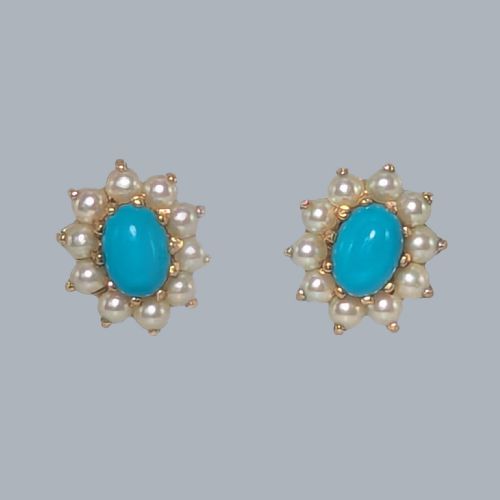


Antique Cluster Studs
These antique cluster studs and drop earrings bring together bright central gemstones and surrounding halos from the Georgian era through to the mid-century.
Antique Cluster Studs
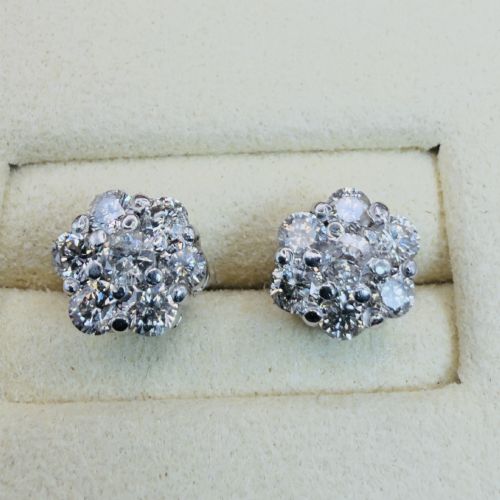
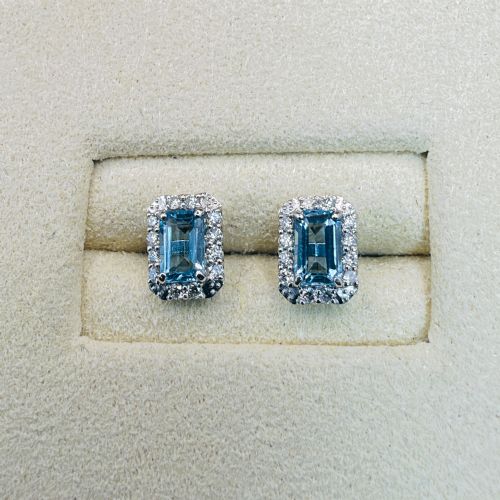
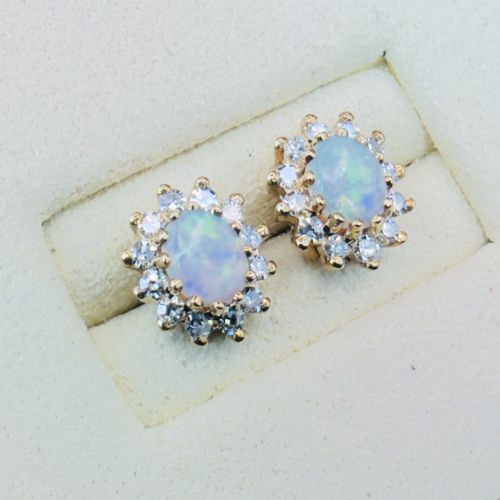
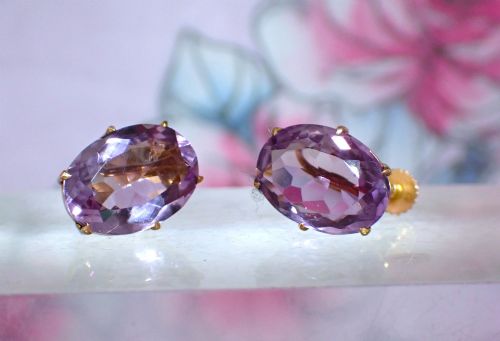
When searching for antique cluster studs, a buyer is looking at earrings designed around a central stone framed by smaller accent gems, forming a floral, daisy or target pattern close to the earlobe or suspended as short drops. The listings here present diverse examples ranging from early Georgian target designs with seed pearls and enamel to Victorian garnet and diamond clusters, Edwardian sapphires, and geometric Art Deco platinum and diamond configurations.
How they were made
The construction of these clusters relies on precious metals such as platinum, silver and varying purities of gold, including nine-carat, fourteen-carat and eighteen-carat yellow and white variations. Metalsmiths combined traditional techniques like silver gilt and fine prong settings to secure central diamonds, sapphires, garnets, amethysts and emeralds within tightly packed ornamental halos.
Gemstones in these pieces display characteristic period cuts, notably old mine cuts, old rose cuts and single cuts, alongside flat-cut stones in earlier Georgian items. Workshops integrated pearls, paste and mabe pearls using secure bezel and prong arrangements suited to the intricate floral and geometric layouts.
Listings feature items from the Georgian, Victorian, Edwardian and mid-century periods, utilising platinum, gold, silver gilt and diverse gemstones.
What varies in quality
The distinction between tiers in these earrings rests upon the selection and matching of the gemstones, where uniform colour saturation in rubies, sapphires and emeralds elevates a piece. Superior examples exhibit precise symmetry in the surrounding diamond halos and clean metalwork without excessive solder.
Quality also appears in the integrity of the original settings and the preservation of the fastener mechanism, whether screw-on, clip-on or standard post, ensuring the cluster sits correctly against the ear.
The Antique Cluster Studs Glossary
- Cluster
- A jewellery arrangement featuring a prominent central stone encircled by a border of smaller gems. This configuration maximises visual presence and light reflection.
- Guilloche
- An intricate decorative engine-turned engraving technique applied to metal surfaces, frequently paired with translucent enamel in Georgian designs. It creates repeating geometric patterns beneath the coloured glaze.
- Old cut
- A term for diamond cutting styles predating modern brilliant standards, characterised by higher crowns, smaller tables and open culets. These cuts produce a distinctive softer scintillation under candlelight.
- Paste
- Hand-cut lead glass used as a gemstone substitute in historic jewellery. It offers brilliance and colour without natural mineral composition.
- Mabe pearl
- A cultured half-pearl grown against the inside shell of an oyster rather than within the body. They provide a large domed appearance suited to mid-century cluster frames.
Antique Cluster Studs: Frequently Asked Questions
How do I wear screw-on earrings?
Screw-on fasteners use a threaded post and a small threaded back that twists to adjust pressure on the earlobe. This mechanism provides a secure fit for non-pierced ears.
Adjust the back gently until it rests comfortably against the lobe without pinching. Avoid over-tightening the screw to protect the metal threads over time.
Are these earrings for pierced ears?
The listings include a mix of traditional post-and-stud fittings for pierced ears alongside screw-on backs and clip-on mechanisms designed for unpierced lobes. Check each description for the specific fastening type.
Conversion converters are sometimes used by specialists if a buyer wishes to alter the fastening style, though preserving original fittings maintains historical integrity.
How do I date an antique cluster?
Dating relies on stylistic indicators, such as the geometric lines of Art Deco pieces from the nineteen-thirties or the organic floral motifs typical of Victorian and Edwardian examples. Metal choices like platinum or nine-carat yellow gold also point to specific eras.
Examining the gemstone cuts, such as old rose cuts or flat-cut stones, helps confirm the manufacturing period when combined with the overall design.
How should I clean antique cluster jewellery?
Clean these pieces using a soft cloth and warm water with mild soap, avoiding harsh ultrasonic cleaners that can dislodge foil-backed stones or damage pearls. Dry them thoroughly before storage.
Store earrings in individual compartments or padded boxes to prevent the stones from scratching neighbouring metalwork.