





Art Deco Square Ring
An art deco square ring brings sharp geometry and fine precious stones together, offering the distinctive symmetry collectors seek.
Art Deco Square Ring
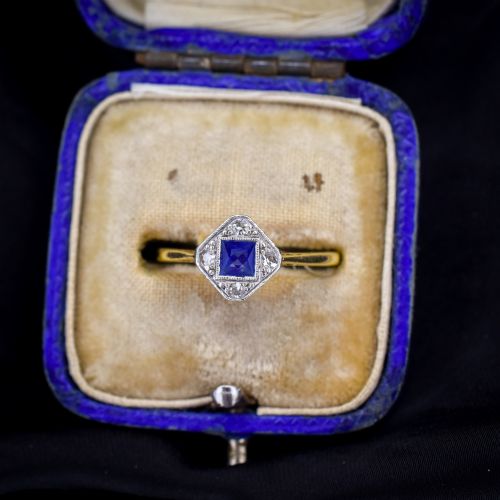
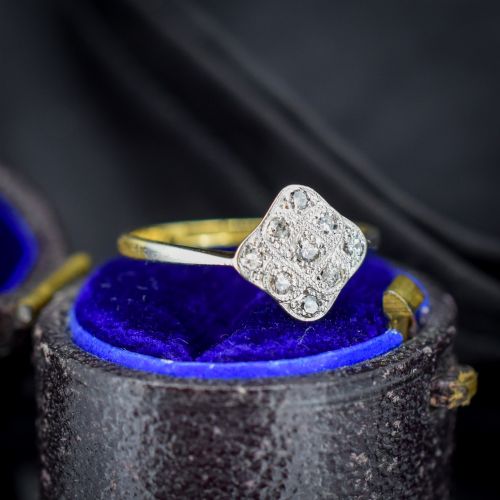
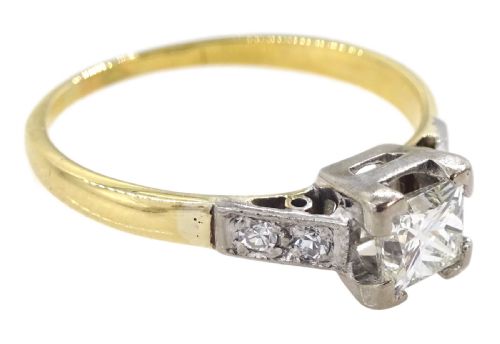
An art deco square ring presents a geometric silhouette defined by angular settings and precise lines. Buyers seeking this phrase encounter cluster rings, solitaire engagement rings, and eternity bands shaped around square or panel motifs.
The pieces appearing here span the nineteen-twenties, nineteen-thirties, and nineteen-forties, alongside occasional Edwardian or later examples. Platinum and gold form the foundation for stones arranged in distinct geometric layouts.
How they were made
Goldsmiths and platinum smiths utilised durable precious metals to construct robust settings capable of holding multiple small stones or substantial central gems. Platinum provided the strength needed for delicate millegrain edges and intricate pierced gallery work, while gold offered contrasting warmth in shank and bezel construction.
Gemstones including diamond, sapphire, ruby, emerald, and aquamarine were cut into square, old cut, carré, or baguette shapes to fit the rigid geometry of the design. Stones were secured using precision claw, channel, or bezel techniques that maintained the planar surface characteristic of the period.
Art Deco Square Ring Retail Price Guide 2026
Typical asking prices for art deco square ring among the pieces listed under this phrase on Sellingantiques today, from the lower quarter to the upper quarter. They describe what is for sale here now, not the wider market.
Some eternity rings pack a full circle of natural rubies into a band small enough to rest on a fingertip.
What varies in quality
The distinction between tiers rests upon the precision of the geometric layout and the quality of the central stones. A superior example demonstrates tight symmetry in square panel clusters and well-matched diamond or coloured stone pairings.
Metalwork execution defines the standard of finish, observed in the crispness of gallery piercing and the integrity of the original claw work. Pieces retaining sharp corners and unpolished millegrain detail occupy the upper range.
The Art Deco Square Ring Glossary
- Solitaire
- A ring featuring a single central gemstone. This setting places total visual emphasis upon the weight and cut of one primary stone.
- Cluster ring
- A design grouping a central gemstone surrounded by smaller accent stones. This arrangement creates a larger optical presence on the finger.
- Platinum
- A dense, white precious metal utilised during the period for its strength and secure holding properties. It allows for fine claw work without risking structural failure.
- Old cut
- A diamond facet style pre-dating modern brilliant cutting, characterised by a smaller table and a higher crown. These stones display distinctive broad light reflection patterns under candlelight.
- Millegrain
- A decorative technique applying a border of tiny raised metal beads along the edges of a setting. This detail softens harsh metallic lines with delicate texture.
Art Deco Square Ring: Frequently Asked Questions
What defines an art deco square ring?
The defining characteristic lies in the geometric silhouette formed by the central setting or cluster arrangement. Square panels, square step cuts, and rectilinear stone groupings create the distinct architectural look.
These pieces emerged primarily during the interwar decades, relying on platinum and gold to frame diamonds, sapphires, rubies, and emeralds in symmetrical patterns.
How do I wear and care for platinum settings?
Platinum offers high durability for daily wear, making it suitable for regular engagement ring use. The metal develops a soft patina over time which many collectors prefer.
Cleaning requires warm soapy water and a soft brush to remove debris from beneath square clusters and intricate gallery work. Avoid harsh chemical dips that might affect softer coloured stones.
What is the difference between a cluster and a solitaire?
A solitaire focuses attention on one single gemstone, such as an old cut diamond or an unheated sapphire. The square effect is achieved through the shape of the bezel or shoulders.
A cluster ring combines a central stone with multiple surrounding gems to form a larger geometric square or lozenge shape on the hand.
How can I tell the period from the materials?
Platinum dominates the mounting work of the nineteen-twenties and nineteen-thirties, often combined with eighteen-carat gold shanks. The use of platinum allowed workshops to create flat, geometric planes without excess bulk.
Later mid-century pieces often incorporate white gold or standard yellow gold alongside certified stones, reflecting shifting metal supplies and manufacturing methods.