



Art Deco Sofa
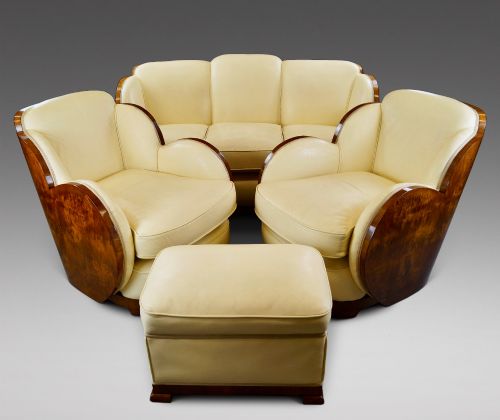
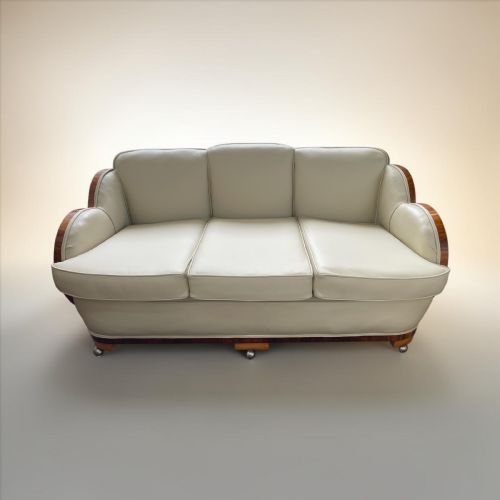
An art deco sofa combines bold geometric lines or sculptural cloud forms with rich materials like walnut and leather, bringing unmistakable period character to a modern interior.
Art Deco Sofa
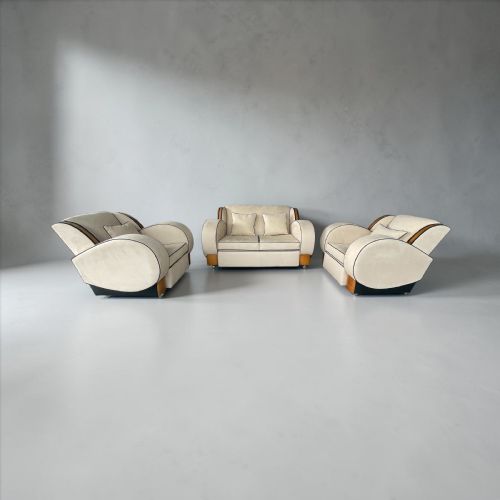
An art deco sofa is a substantial seating piece originating primarily from the 1920s and 1930s, defined by distinct stylistic movements ranging from streamlined luxury to voluptuous cloud shapes. When searching this phrase, a buyer encounters everything from single three-seater couches to complete three-piece suites comprising a sofa and matching armchairs.
The materials and silhouettes on this page vary significantly, reflecting the international scope of the period. Buyers frequently meet walnut frames, drop-end designs, and distinctive cloud-back seating upholstered in leather or velvet, alongside occasional scroll-shaped pieces in palisander or oak.
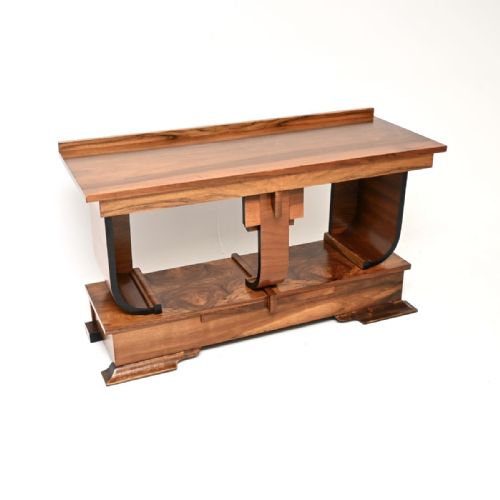
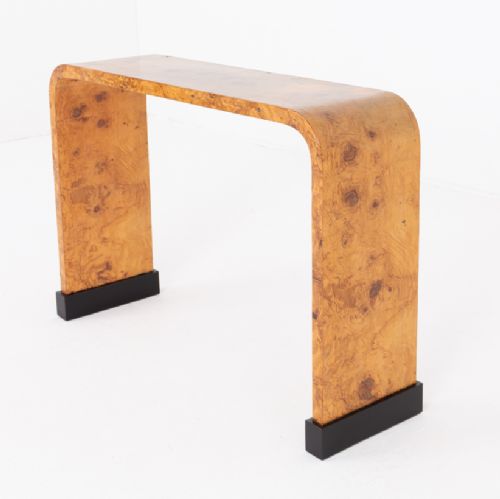
Many examples appear as part of matched lounge suites or paired with occasional furniture, demonstrating the cohesive interior schemes of the era. Whether originating from English workshops or continental makers, these sofas serve as the visual anchor of a room through their architectural presence.
How they were made
Makers utilised sturdy internal wooden frames constructed from hardwoods such as oak, mahogany, or walnut, which provided the structural foundation for deeply sprung upholstery. These frames were frequently finished with decorative veneers, including burr walnut, satin birch, and palisander, showcasing highly figured wood grain.
Surface details and contrasting elements relied on metals like brass and chrome, alongside natural cane inserts and rich coverings of leather, velvet, and specialised textiles. The joinery and veneer work required skilled cabinet-making techniques to achieve the smooth, curved contours characteristic of the style.
What varies in quality
The distinction between standard production pieces and the finest examples rests on the calibre of the cabinetry and the choice of surface veneers. Highly figured burr walnut and exotic timbers like palisander indicate superior workshops, whereas simpler oak or standard mahogany frame construction points to more utilitarian origins.
Attribution to prominent makers or specific high-end commissions elevates a piece above anonymous workshop production. Furthermore, the complexity of the silhouette, such as the sculptural demands of cloud-shape designs or specialised scroll forms, separates ambitious artistic execution from straightforward domestic seating.
Hille·Epstein·Harry and Lou Epstein·Gilbert Rohde·Maurice Adams
The Art Deco Sofa Glossary
- Cloud shape
- A rounded, upholstered silhouette with undulating padded sections reminiscent of cumulus clouds, popular in luxury 1930s seating. This design emphasises comfort and generous proportions.
- Veneer
- A thin layer of highly figured wood, such as walnut or burr walnut, applied over a secondary timber base to create decorative patterned surfaces. It highlights the natural grain of exotic woods.
- Bergere
- A formal upholstered armchair or sofa featuring enclosed cane work on the sides or back. This traditional technique provides a lighter visual texture.
- Drop end
- A sofa arm mechanism that can be lowered horizontally to alter the seating profile or create a daybed. It offers versatile adjustment for lounging.
- Palisander
- A dense, richly coloured tropical hardwood often utilised for its striking grain patterns in high-end cabinet work. It imparts deep reddish-brown tones to the furniture.
Art Deco Sofa: Frequently Asked Questions
What is a cloud sofa?
A cloud sofa is a distinct seating design from the 1930s featuring rounded, bulbous upholstered sections that mimic the shape of cumulus clouds. These pieces prioritize sculptural volume and deep cushioning.
They frequently appear as part of matching three-piece suites alongside armchairs, serving as a bold focal point in period interiors.
How do I identify a 1930s sofa?
Identifying a 1930s sofa involves looking for specific material combinations such as walnut veneers, leather upholstery, and occasional brass accents. The forms range from streamlined geometric shapes to sweeping scroll profiles.
Evidence from the period points to solid wood frames paired with sprung seating and distinctive wood grains like burr walnut.
Are these sofas comfortable?
These sofas were built with deep interior spring systems and generous padding designed for substantial lounging comfort. Many examples offer supportive upright seating or adjustable drop-end mechanisms.
Comfort levels often depend on whether the piece retains its original internal suspension or has undergone professional reupholstery.
What woods were used?
Cabinet makers utilised a variety of timbers including walnut, oak, and mahogany for structural frames. Decorative surfaces frequently featured highly figured veneers such as burr walnut, satin birch, and palisander.
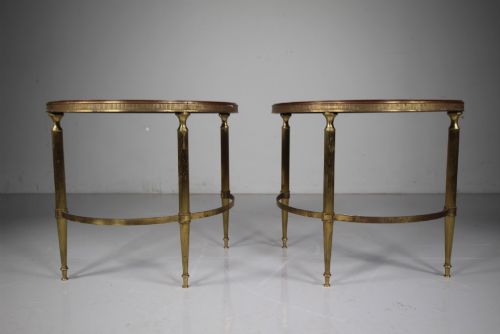
Contrasting materials like chrome, brass, and cane were also integrated into the design of the frames and associated tables.