




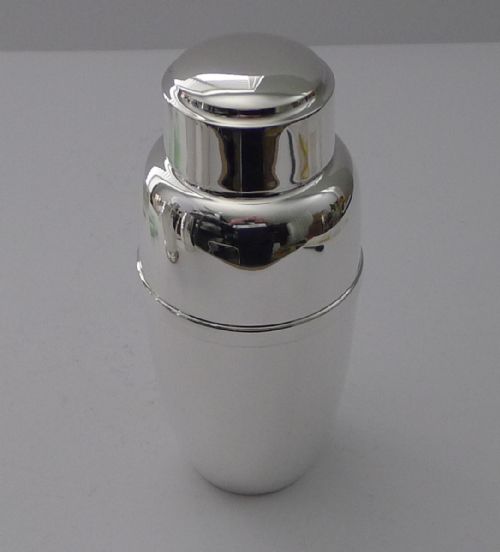


Art Deco Silver Pieces
Art deco silver pieces bring geometric elegance and clean lines to the table, offering a sophisticated way to serve drinks or display period style.
Art Deco Silver Pieces
Art deco silver pieces encompass functional table items, tea services, and cocktail shakers produced across the decades from the nineteen twenties to the nineteen forties. These objects showcase the distinct aesthetic of the interwar period, shifting away from florid Victorian ornamentation toward streamlined geometry and architectural forms.
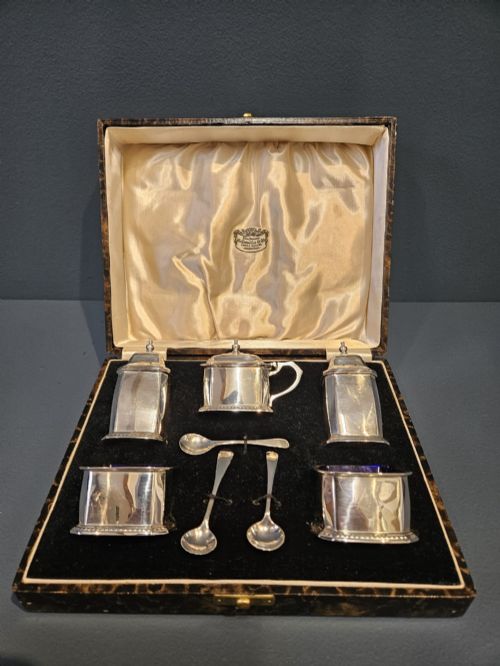
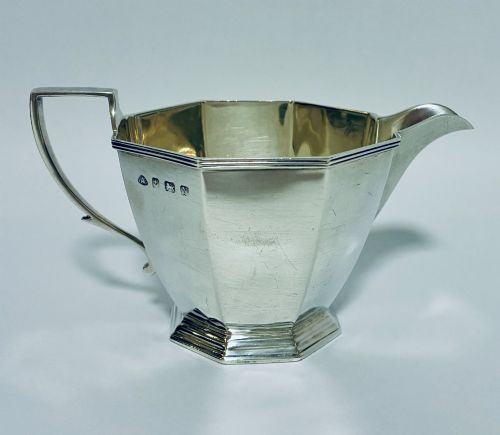
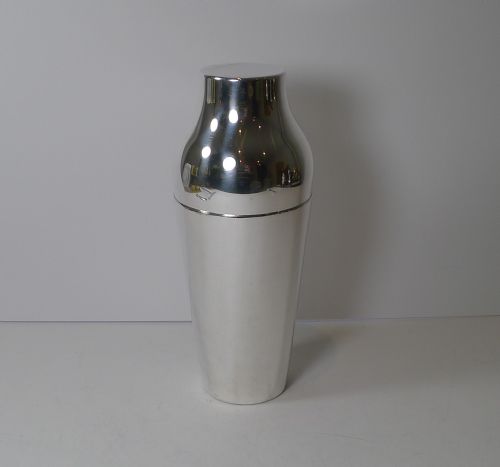
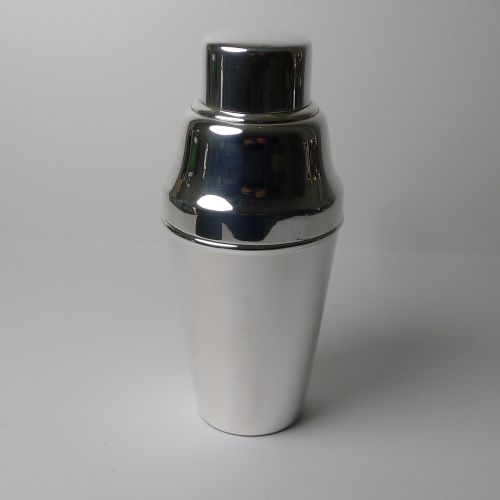
Cruet sets, milk jugs, and large canteens of cutlery feature prominently among the available items, reflecting the period's appetite for formal dining and elaborate hospitality. Buyers frequently encounter silver plated cocktail shakers and tea services alongside solid sterling silver flatware sets.
Makers from England and France dominate the selection, bringing distinct regional interpretations to the modernist style. Pieces range from intimate wrist watches to substantial three piece clock sets incorporating grey breccia marble.
How they were made
Manufacturers utilised both solid sterling silver and electroplated nickel silver over a base metal core to achieve durable, gleaming surfaces. Workshops employed heavy stamping and spinning techniques to create the smooth cylinders and stepped profiles characteristic of the style.
Decorative elements often integrated contrasting materials such as blue glass inserts, velvet, and satin to accent the polished metal. Clock sets combined silver plated bronze with carved marble, uniting industrial metalwork with classical stone carving.
Art Deco Silver Pieces Retail Price Guide 2026
Typical asking prices for art deco silver pieces among the pieces listed under this phrase on Sellingantiques today, from the lower quarter to the upper quarter. They describe what is for sale here now, not the wider market.
A ticking clock set keeps watch over quiet rooms, its marble and silver bronze standing firm since the roaring twenties.
What varies in quality
The distinction between standard domestic wares and top tier items rests upon the weight of the metal and the crispness of the geometric stamping. Heavier gauges of silver plate and solid sterling silver retain their structural integrity and sharp angles far better over decades of use.
The reputation of the maker also dictates the standing of a piece, with firms like Tiffany or Christofle demonstrating superior finishing and precise joinery. Superior examples maintain intact internal fittings, such as original glass liners in cruet sets or complete cutlery counts in large canteens.
Tiffany·J. B. Chatterley & Sons·C S Green & Co.·William Suckling Ltd.
The Art Deco Silver Pieces Glossary
- Electroplated nickel silver
- A base metal alloy of copper, nickel, and zinc coated with a layer of pure silver through an electrolytic process. This method provided a more affordable alternative to solid sterling silver while maintaining the same bright finish.
- Cruet set
- A matched collection of small containers designed to hold condiments like salt, pepper, mustard, and vinegar at the dining table. These sets often sit on a dedicated silver stand and incorporate coloured glass liners.
- Canteen of cutlery
- A fitted box or cabinet containing a complete, coordinated service of forks, spoons, and knives for a large household. Art deco canteens feature streamlined handle designs specific to the modernist movement.
- Breccia marble
- An ornamental stone composed of angular rock fragments embedded in a fine grained matrix. French makers frequently paired this mottled grey marble with silver plated bronze clock cases.
- Sterling silver
- An alloy consisting of ninety two point five percent silver by mass and seven point five percent other metals, usually copper. This standard ensures the material is durable enough for daily utensils while retaining precious metal purity.
Art Deco Silver Pieces: Frequently Asked Questions
What defines art deco silver design?
Art deco silver design relies on strict geometrical shapes, symmetry, and stylised motifs rather than organic floral patterns. Objects emphasise vertical lines, stepped forms, and clean planes.
This aesthetic reflected a modern industrial outlook during the nineteen twenties and thirties. Items were designed to look both functional and strikingly contemporary.
How do I care for silver plated items?
Silver plated items require gentle cleaning with a specialist silver polish to maintain their reflective shine without wearing through the thin metal coating. Regular dusting and storing away from damp environments prevents tarnishing.
Avoid using harsh abrasive cloths or chemical dips that can strip the plating. Proper handling ensures the underlying nickel or base metal remains fully protected.
Were these cocktail shakers used daily?
Cocktail shakers from this era were primarily utilised during social gatherings and formal evening entertaining rather than everyday dining. The rise of the cocktail lounge culture in the nineteen thirties made these vessels central to home hospitality.
Most designs incorporate a built in strainer and a tight fitting lid to prevent leaks while mixing. They served both a practical drink preparation role and a decorative display function on a home bar.
How can I tell a nineteen thirties piece apart from later modernism?
Nineteen thirties pieces generally display the heavier, more ornate geometric stepping of the traditional art deco period. Metals often feature rich plating alongside materials like velvet and marble.
Later items from the nineteen sixties lean toward starker modernist minimalism with simpler silhouettes and fewer decorative flourishes. Examining the manufacturing marks and stylistic subtleties clarifies the exact decade of production.