
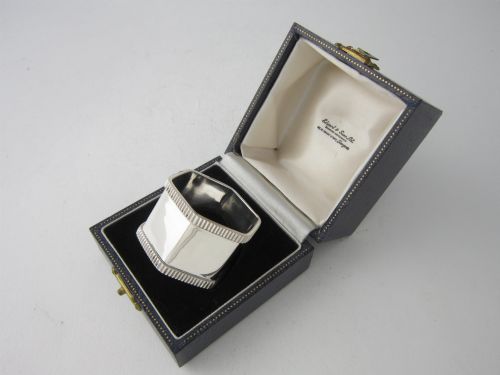


Art Deco Silver Napkin Ring
An art deco silver napkin ring brings geometric precision and solid metal craftsmanship directly to the dining table.
Art Deco Silver Napkin Ring
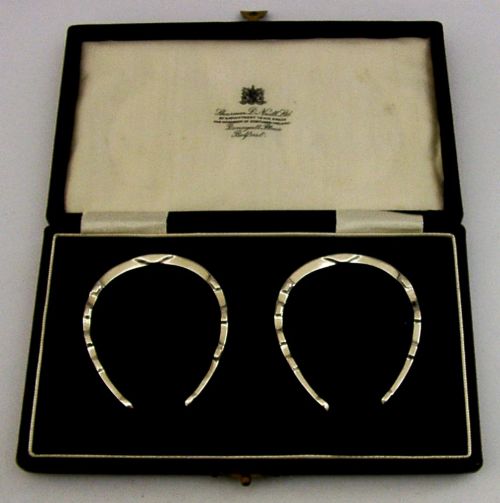
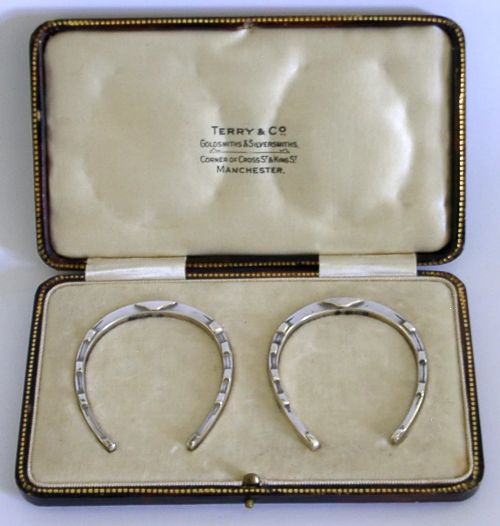
An art deco silver napkin ring combines the rigid symmetry of the 1920s and 1930s with solid sterling silver construction. You encounter these items as single pieces, pairs, or matched sets, frequently housed in fitted presentation boxes lined with silk or velvet.
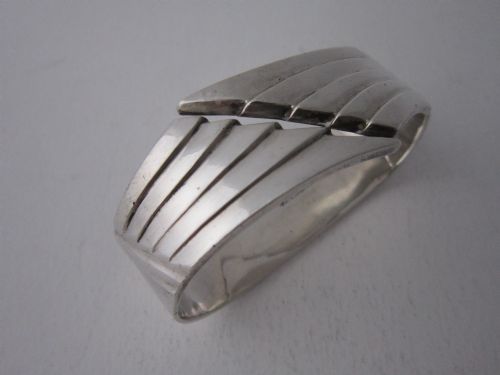
The dominant forms span simple rectangular and hexagonal bands alongside engine-turned surfaces and figural designs representing horseshoes, animals, or birds. Most examples originate from English assay offices, particularly Birmingham and Sheffield, during the interwar decades.
Materials and construction methods
Makers utilised solid sterling silver shaped through stamping, casting, and engine-turning to create precise geometric patterns and sunburst engravings. Certain pieces incorporate silver gilt surfaces paired with translucent guilloche enamel in yellow or other vibrant shades.
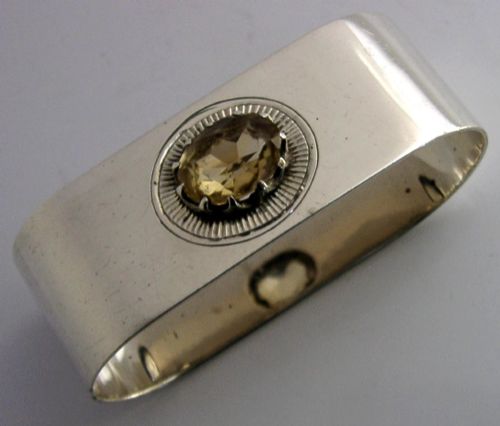
Cased sets rely on protective exterior housings made of leatherette, enclosing fitted interiors lined with satin, velvet, or fabric. Specific variations integrate organic accents like citrine gemstones or Bakelite components alongside the primary silver structure.
Unsuspecting diners might find themselves holding a sterling silver chicken hen or a lucky horseshoe instead of a plain band.
Distinguishing quality across examples
Superior execution shows in crisp, deep engine-turning and unblemished enamel work that retains its vitreous lustre without chipping. The distinction between standard production and finer output rests on the precision of geometric facets and the preservation of original fitted boxes.
Sets display higher design ambition through figural motifs, integrated menu holders, or precious stone accents like citrine. Maker attribution to notable silversmiths further elevates the standing of an individual piece within the range.
R. E. Stone·David Andersen·Henry Wilkinson·Horton and Allday·A. Scott·F.H. Adam and Co·Selfridge and Co·Joseph Gloster
The Art Deco Silver Napkin Ring Glossary
- Sterling silver
- A silver alloy containing 92.5 percent pure silver by mass and 7.5 percent other metals, usually copper. This standard provides the durability required for daily dining accessories.
- Guilloche enamel
- A decorative technique where a precise geometric pattern is mechanically engraved beneath translucent enamel. This method creates shimmering reflective depths across the metal surface.
- Engine-turning
- A mechanical method of engraving precise, intricate geometric patterns into metal surfaces using a lathe. It defines much of the surface texture seen on interwar silver.
- Silver gilt
- Sterling silver that has been coated with a thin layer of gold on its surface. This process offers a warm two-tone appearance.
- Assay office
- A body responsible for testing the purity of precious metals and stamping them with official hallmarks. English offices in cities like Birmingham and Sheffield mark these items.
Art Deco Silver Napkin Ring: Frequently Asked Questions
How do I date an art deco silver napkin ring?
Dating relies upon the official hallmarks stamped into the silver, which indicate the specific assay office and the year letter corresponding to the maker's period of production.
Style also provides guidance, as geometric facets, sunbursts, and engine-turned textures point directly to the interwar decades between the 1920s and 1930s.
Are these napkin rings always sold in sets?
Surviving examples appear as individual pieces, pairs, or larger matched sets numbering up to eight pieces. Many of the multi-piece sets retain their original fitted presentation boxes.
Single items and pairs remain common finds, reflecting both individual ownership and broken original table groupings over the decades.
What materials accompany the silver on these pieces?
Beyond solid sterling silver, certain examples incorporate guilloche enamel over engraved metal, or feature set gemstones like citrine. Some variations pair the silver with Bakelite or present the items inside fabric-lined cases.
Interior box linings commonly utilise velvet, satin, silk, or leatherette to cushion the metal during storage.
How should I clean silver napkin rings?
Maintenance requires a soft microfibre cloth and specialised silver polish designed to remove tarnish without abrading the engraved details. Enamelled or gilt pieces demand extra care to avoid damaging the delicate surface layer.
Storing the items in their original lined boxes helps protect the finish from airborne sulfur and dust when not in use.