



Art Deco Silver and Glass
Art deco silver and glass pieces combine gleaming metal with geometric vessels, offering functional elegance for modern interiors.
Art Deco Silver and Glass
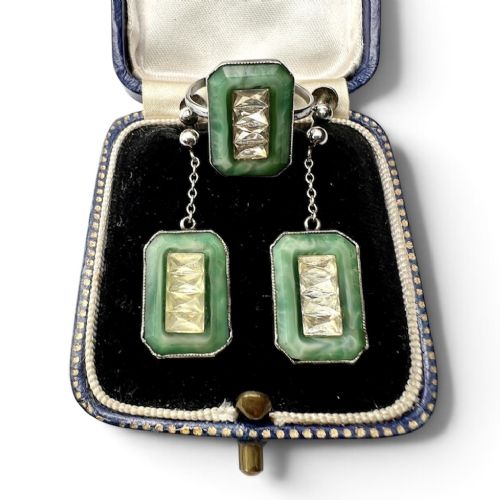
Art deco silver and glass objects encompass a wide array of functional domestic items and accessories produced primarily during the 1920s and 1930s. Buyers searching for art deco silver and glass frequently encounter dressing table jars, cocktail shakers, scent bottles, and barware.
The aesthetic bridges traditional craftsmanship with machine-age geometry, employing sterling silver, silver plate, or chrome alongside clear, coloured, and cut glass. Pieces often feature symmetrical patterns, stepped motifs, and contrasting textures.
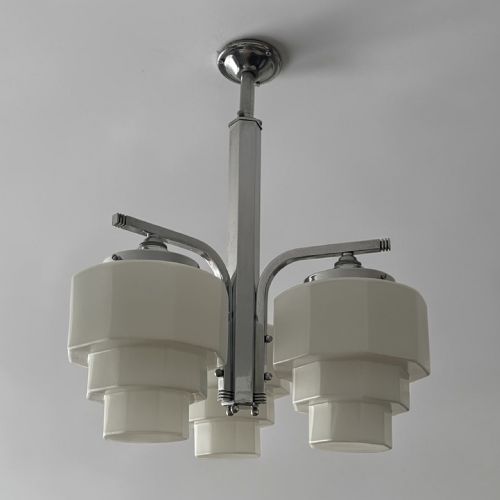
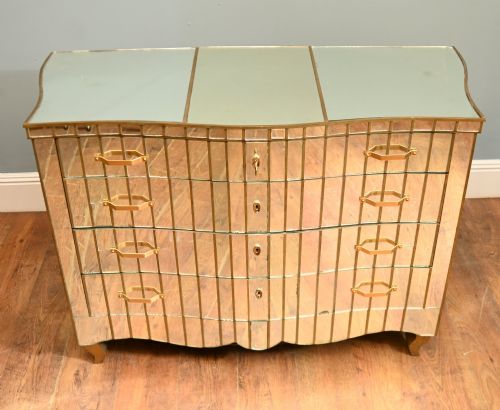
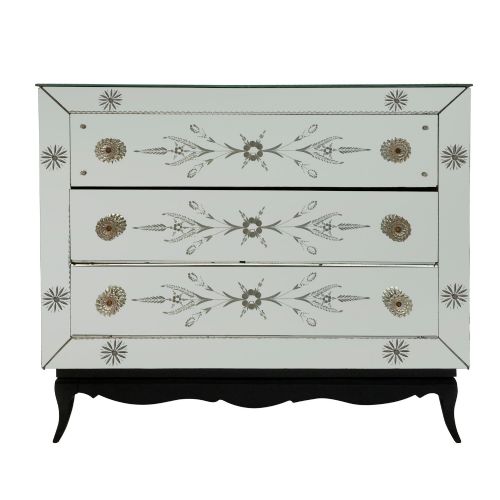
French art deco examples sit alongside English and Scandinavian production, offering everything from large mirrored furniture to small condiment sets and vanity accessories.
How they were made
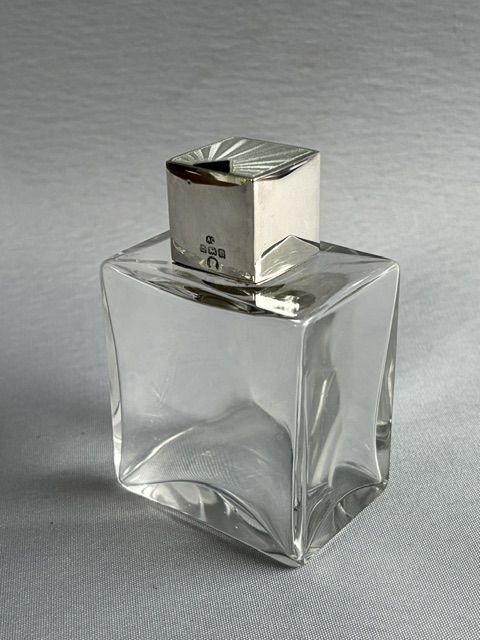
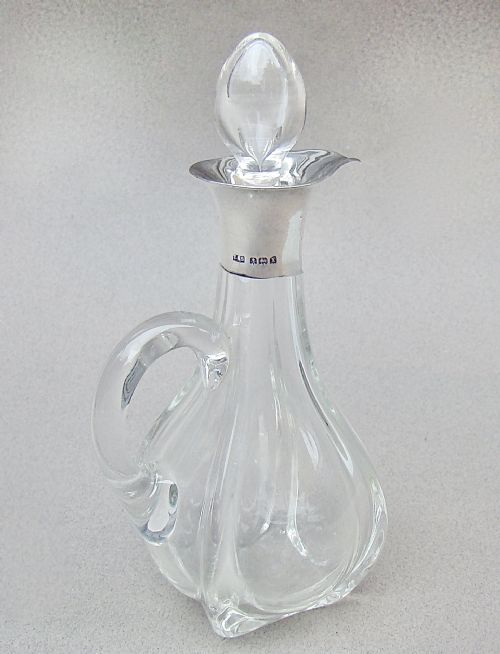
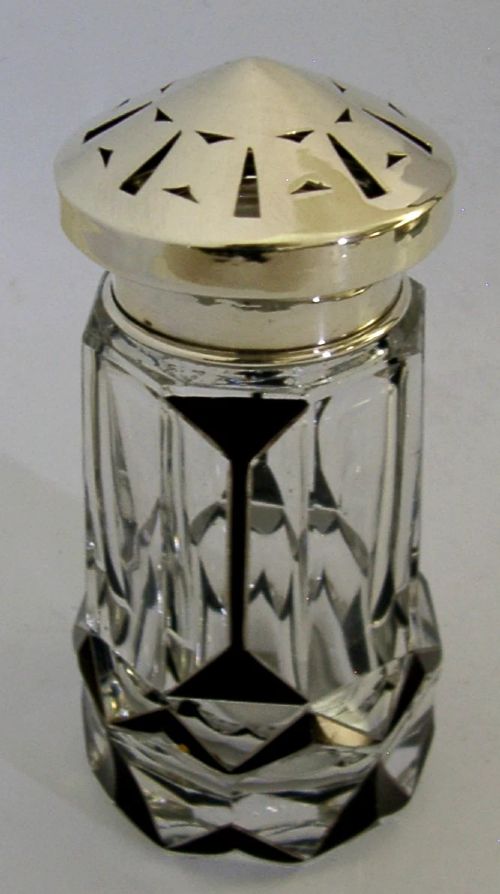
Makers combined heavy-gauge sterling silver or chrome mounts with mould-blown, cut, or crackle glass bodies. Metal components were typically cast, spun, or stamped, then fitted precisely to glass vessels.
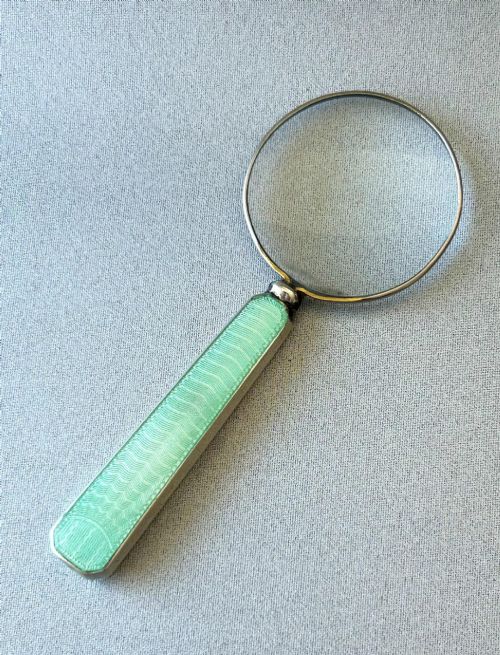
Vitreous enamel and guilloche techniques added vibrant colour to silver lids, jars, and compacts through fired glass powders over engine-turned metal bases.
Art Deco Silver and Glass Retail Price Guide 2026
Typical asking prices for art deco silver and glass among the pieces listed under this phrase on Sellingantiques today, from the lower quarter to the upper quarter. They describe what is for sale here now, not the wider market.
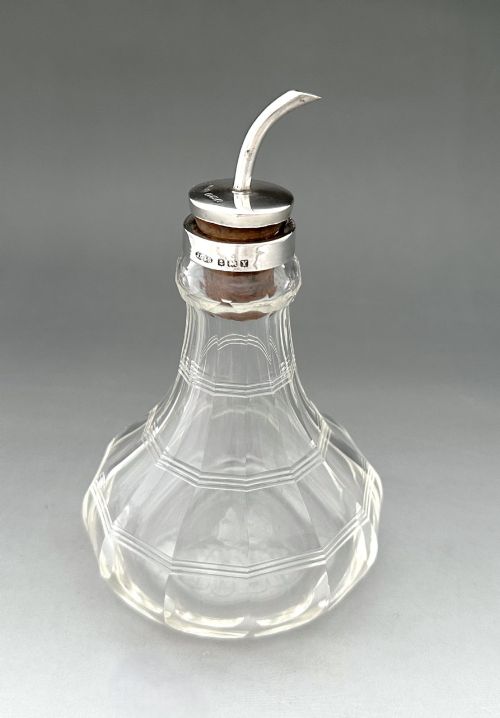
A solitary soda syphon stands ready for a thirsty era.
What varies in quality
The weight and gauge of the silver or chrome mount establish the structural integrity of a piece, distinguishing substantial items from lighter wares. Crispness in the execution of guilloche enamel patterns and secure, flush mount fittings indicate superior workshop standards.
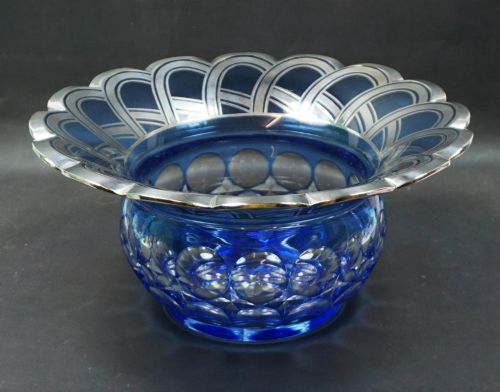
The clarity, depth of colour, and precision of cut work in the glass vessel demonstrate the skill of the original manufacturer, particularly in cocktail shakers and decanters.
Henry Clifford Davis·Émile-Jacques Ruhlmann·Tiffany and Co·William Neale·Henry Perkins·Karl Palda
The Art Deco Silver and Glass Glossary
- Guilloche
- A decorative mechanical technique where precise, intricate geometric patterns are engraved into metal before translucent enamel is applied. This method creates a shimmering, patterned background beneath coloured glass enamels.
- Sterling silver
- A silver alloy consisting of significant purity by weight, marked by traditional hallmarks indicating standard composition. It forms the durable metallic housing for many luxury glass items.
- Spelter
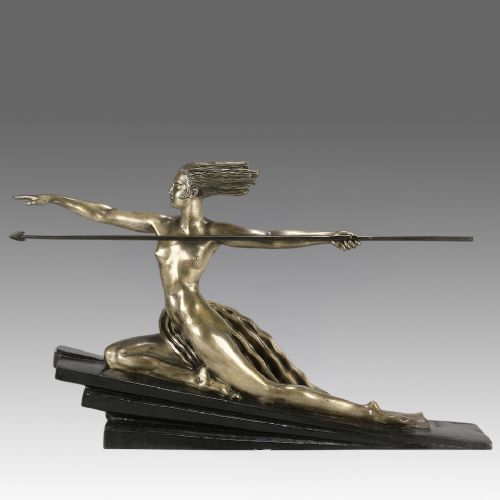
- An alloy of zinc used as a base metal for decorative figures and lamps, often plated with bronze, silver, or chrome. It provides a weighty structure for sculptural elements.
- Silver plate
- A layer of fine silver bonded to a base metal core such as copper or brass. This technique offered an accessible alternative to solid silver for larger barware and tableware.
Art Deco Silver and Glass: Frequently Asked Questions
How do I clean silver and glass items?
Clean glass components using warm soapy water while keeping moisture away from glued mounts or enclosed paper linings. Polish silver surfaces gently with a dedicated cloth to avoid abrasive contact with enamel or glass.
Store pieces in stable environments away from direct sunlight to protect coloured enamels and delicate pastes from fading or degradation over time.
Were these items used daily?
Many of these objects served practical functions in domestic and social settings, from cocktail preparation to vanity organisation. Barware and dressing table jars saw frequent handling during the interwar period.
Today, collectors use them both as decorative accents and functional table accessories within contemporary homes.
How can I date these objects?
Hallmarks stamped on silver mounts provide precise assay office letters and date ciphers for English pieces. Stylistic markers such as modernist typography, machine-age chrome, and geometric enamel designs further narrow the period to the interwar decades.
Comparing construction methods between solid silver and plated chrome variants helps distinguish 1920s work from later mid-century production.
What is guilloche enamel?
Guilloche enamel involves engine-turning precise geometric patterns into metal before applying translucent coloured glass coatings. The engraved pattern shows through the glossy coloured surface, creating depth.
This technique appears frequently on the lids of vanity jars, compacts, and scent bottles from the period.