



Art Deco Serving Platter
An art deco serving platter brings geometric punch and polished metallic sheen to the table, making it the definitive piece for stylish home hospitality.
Art Deco Serving Platter
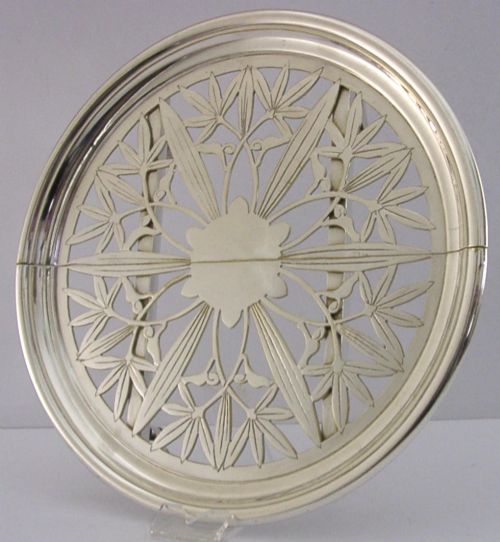
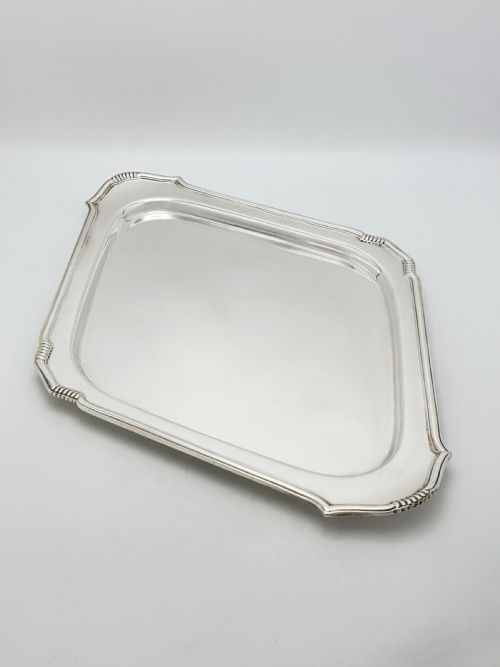
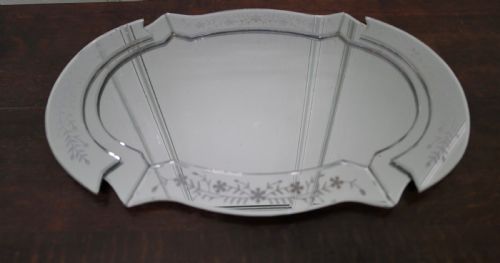
When you search for an art deco serving platter, you encounter a distinct category of domestic metalware and glass designed for hospitality during the interwar decades. These items span cocktail trays, drinks trays, fruit baskets, and sandwich sets originating mostly from the 1920s, 1930s, and 1940s.
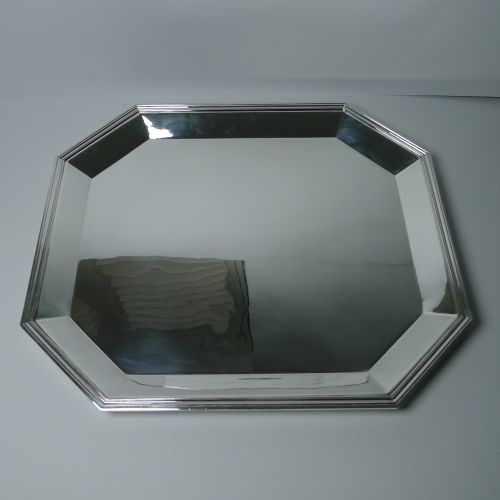
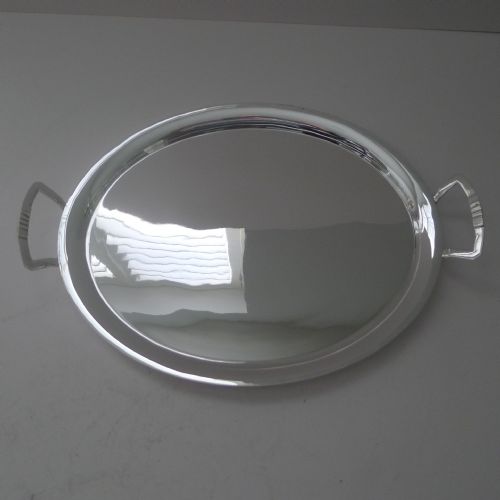
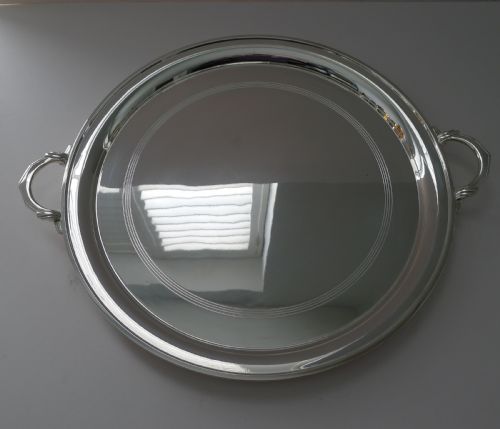
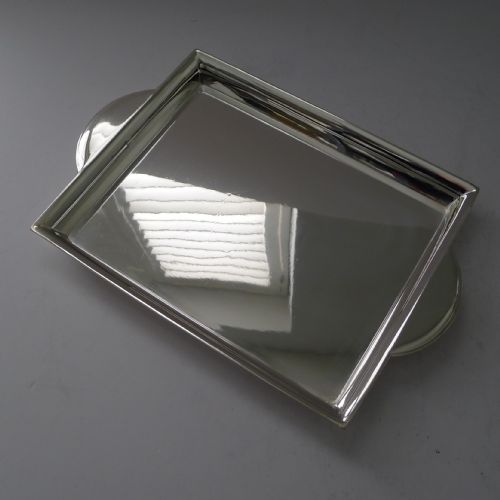
The version you are most likely to meet on this page is a silver plated or chrome cocktail tray, often featuring geometric shapes like diamonds, hexagons, or circles alongside scalloped rims or integrated handles.
British and French makers dominate the selection, producing pieces that function equally well as standalone decorative items or practical servers for drinks and canapés.
Assessing quality and craftsmanship
The distinction between ordinary and superior pieces rests on the weight of the metal foundation and the crispness of the geometric detailing. Heavy gauge silver plate or solid silver yields a substantial feel in the hand, whereas lesser items rely on thin, lightweight base metals.
Surface decoration tells another clear story about quality. Deep engine turning, cleanly etched glass mirrors, and robustly jointed handles separate master silversmith work from mass-produced factory output.
Art Deco Serving Platter Retail Price Guide 2026
Typical asking prices for art deco serving platter among the pieces listed under this phrase on Sellingantiques today, from the lower quarter to the upper quarter. They describe what is for sale here now, not the wider market.
Listings feature items from the 1900s through the 1940s, showcasing silver plate, chrome, mirror glass, and Macassar wood forms.
Christofle Paris·Mappin And Webb·Hukin And Heath·James Dixon And Sons·Roberts And Dore·Elkington·Asprey London·Atkin Brothers
The Art Deco Serving Platter Glossary
- Silver Plate
- A thin layer of silver bonded to a base metal core, such as copper or nickel silver, providing the appearance of solid silver at a lower production cost.
- Engine Turning
- A mechanical decoration technique that cuts intricate, precise geometric patterns into metal surfaces using a specialised lathe.
- EPNS
- Electroplated Nickel Silver, a common base material for twentieth-century tableware consisting of a nickel alloy coated with a layer of pure silver.
- Macassar
- A heavily figured exotic hardwood with dark brown and black streaks, frequently utilised in high-end French decorative arts.
Art Deco Serving Platter: Frequently Asked Questions
What is an art deco serving platter used for?
These pieces served primarily for holding cocktail glassware, decanters, and canapés during formal and informal gatherings in the home.
Today, owners utilise them both for practical entertaining and as decorative centrepieces on sideboards or coffee tables.
How do I clean a silver plated tray?
Maintenance requires gentle washing with warm soapy water and a soft cloth to protect the underlying metal finish from abrasive damage.
Harsh chemical dips should be avoided in favour of dedicated silver polish applied sparingly only when necessary.
Are these trays made of solid silver?
The majority of items utilise a base of silver plate, nickel silver, or chrome rather than solid precious metal.
Hallmarks or stamped maker marks on the underside generally indicate whether a piece is sterling silver or plated.
How do I date an art deco tray?
Dating relies on maker stamps, registration numbers, and stylistic markers such as geometric motifs or streamlined silhouettes typical of the 1920s and 1930s.
French pieces often carry distinct foundry marks that help narrow down the production era.