


Art Deco Reading Glass
An art deco reading glass is a refined desk accessory that combines clear optics with period design, prized for both daily utility and display.
Art Deco Reading Glass
When you search for an art deco reading glass, you encounter sophisticated handheld magnifiers and lorgnettes from the early decades of the twentieth century. These items serve both practical reading tasks and aesthetic roles on desks and vanity tables.
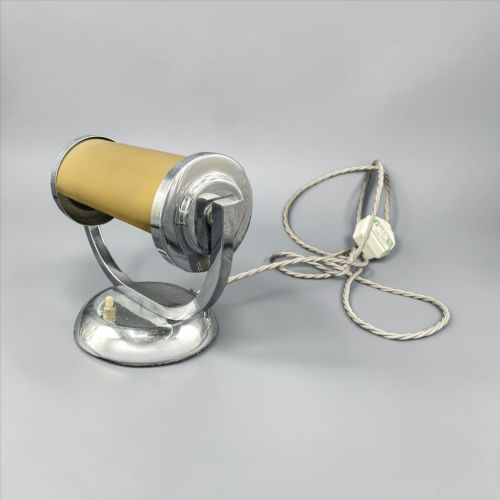
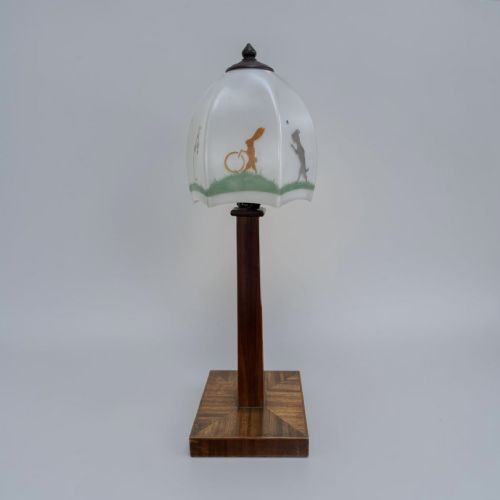
The most typical examples encountered on this page date from the 1920s and 1930s, aligning with the height of the Art Deco style and Modernist movements. They often appear alongside related desk accessories and table lamps from the same eras.
How they were made
Maker workshops utilised a combination of precious metals, sterling silver, and chrome alongside durable early plastics such as bakelite. Handles frequently incorporated textured elements like shagreen or fine guilloche enamel work to create tactile contrast.
Precision optics formed the essential lens component, housed securely within cast brass or plated metal mounts. Construction techniques emphasised clean geometric lines and functional adjustability suited to modern interiors.
Listings span the periods 1910, 1920, 1930, and 1940, encompassing Arts and Crafts, Art Deco, and Modernist styles.
What varies in quality
The standard of materials dictates the primary division in quality, separating pieces made with solid sterling silver and genuine shagreen from those utilising simpler plated brass or basic metals. Finer specimens display crisp hallmarks and secure, unblemished enamel detailing.
Execution and maker attribution further distinguish superior examples, particularly those bearing the marks of established silversmiths and luxury retailers. The optical clarity of the glass and the weight distribution in the hand complete the assessment of overall grade.
Broadway & Co·Mappin & Webb·P H Vogel & Co·Asprey
The Art Deco Reading Glass Glossary
- Bakelite
- An early form of synthetic thermosetting plastic popular in the twentieth century. It allowed for rich colouration and smooth moulded handles on desk tools.
- Shagreen
- Untanned skin with a granular surface texture, historically prepared from shark or ray skin. It provides a distinctive tactile grip on luxury magnifier handles.
- Guilloche enamel
- A decorative technique where geometric patterns are engraved beneath translucent enamel. It frequently adorns the silver backs of handheld magnifying glasses.
- Lorgnettes
- Folding eyeglasses with handled frames held up to the face rather than worn over the ears. They bridge the categories of optical instruments and personal adornment.
Art Deco Reading Glass: Frequently Asked Questions
How do I use a vintage reading glass?
Hold the handle firmly and position the lens at a comfortable focal distance above text or small objects. Ensure adequate lighting falls across the page to maximise the magnification clarity.
Store the glass on a soft surface or desk pad when not in use to protect the rim and prevent scratching the glass or delicate handle materials.
Are these reading glasses suitable for daily reading?
These pieces function well for occasional reading tasks, such as examining small print, maps, or fine details. Their solid construction makes them durable enough for regular desk use.
Collectors often balance practical utility with careful handling to preserve delicate handle finishes like shagreen and enamel over time.
How do I date an art deco reading glass?
Examine the piece for maker marks, retailer signatures, and silver hallmarks, which often correspond to specific assay office date letters. Stylistic cues such as geometric shapes and material choices like bakelite point toward the interwar decades.
Compare the construction methods and decorative motifs against documented pieces from the 1920s and 1930s to narrow down the period of origin.
What materials are typical for these magnifiers?
Handles commonly feature sterling silver, plated metal, chrome, or moulded bakelite. Textured accents such as shagreen and guilloche enamel frequently appear on higher-end examples from period workshops.
The optical components consist of clear glass lenses secured within metal bezels, sometimes accompanied by matching desk accessories from the same era.