




Art Deco Porcelain Figurine
An art deco porcelain figurine captures the stylised elegance of the interwar period, offering collectors distinct character and decorative presence.
Art Deco Porcelain Figurine
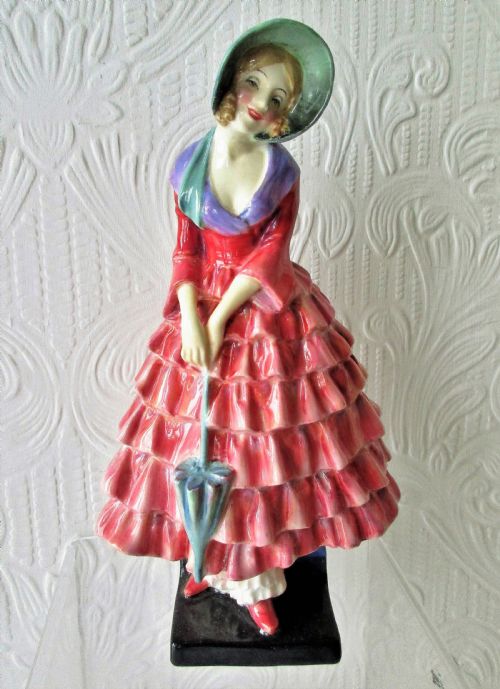
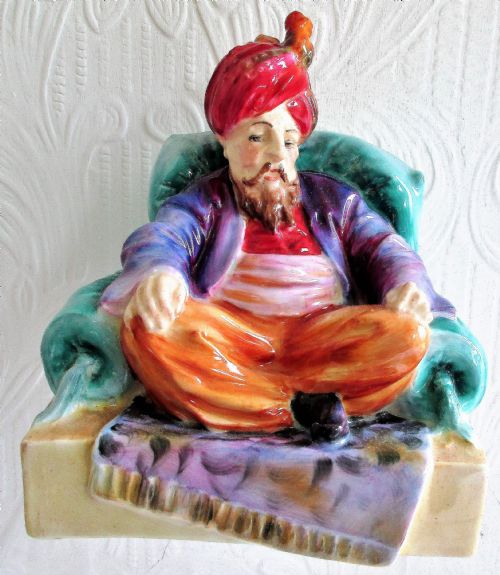
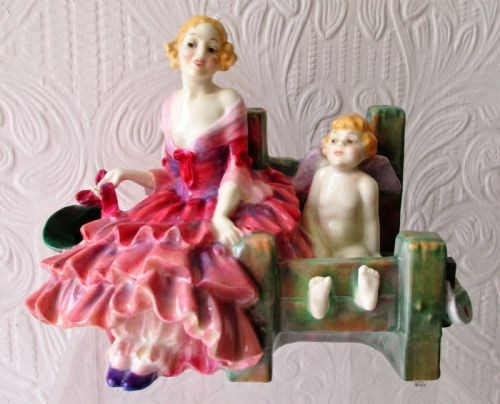
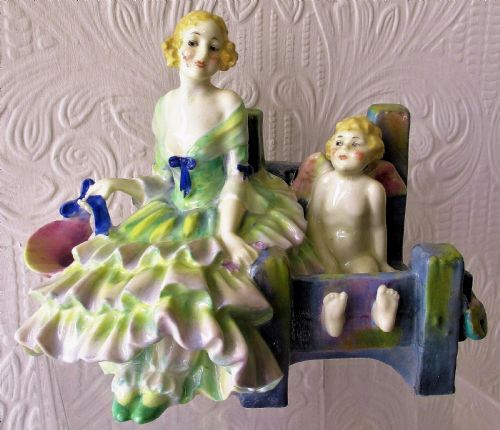
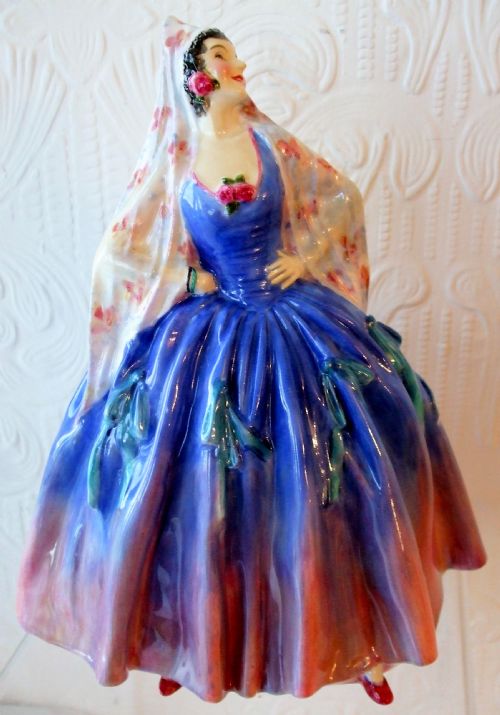
When you examine an art deco porcelain figurine, you encounter sculptural forms produced primarily during the 1920s, 1930s, and 1940s. These pieces encompass diverse subjects ranging from human dancers and flapper girls to animals and literary scenes.
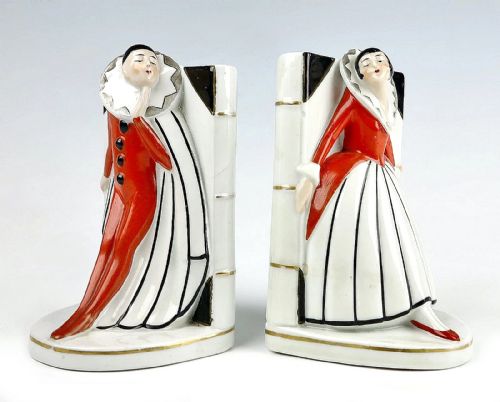
The selections available include functional items alongside purely decorative works. Many examples double as powder boxes, trinket jars, bookends, table lamps, and hatpin holders rather than standing as simple ornaments.
Makers from various European manufacturing centres contributed to this output. British potteries, German studios, and French workshops each brought distinct regional approaches to the style.
How they were made
Makers utilised ceramic bodies including earthenware, bone china, and porcelain. These materials were shaped through moulding and casting before undergoing high-temperature firing.
Colour and finish were applied using glazes and enamels. Artisans painted details by hand or applied transfer prints beneath or over the glaze to achieve the characteristic vibrant surface patterns.
Art Deco Porcelain Figurine Retail Price Guide 2026
Typical asking prices for art deco porcelain figurine among the pieces listed under this phrase on Sellingantiques today, from the lower quarter to the upper quarter. They describe what is for sale here now, not the wider market.
Several ladies sit permanently perched atop powder jars, guarding loose face powder with steady porcelain glares.
What varies in quality
Painting and glazing execution also distinguish finer examples. Controlled enamel work and evenly applied glossy or matte finishes demonstrate the skill of the decorator and the care taken in the kiln.
Royal Doulton·Meissen·Clarice Cliff·Karl Ens·Fasold and Stauch·Rosenthal·Royal Dux·Karl Tutter
The Art Deco Porcelain Figurine Glossary
- Bone China
- A type of porcelain containing animal bone ash that produces a strong, milky-white body. It allows for thinner walls and delicate translucency in figurative work.
- Glaze
- A glassy coating fused to the ceramic body through firing. It seals the porous clay and provides either a high shine or a matte surface.
- Half Doll
- A ceramic upper torso without legs, commonly manufactured as a decorative lid for powder boxes, pin cushions, or brush handles. They frequently depict flapper girls of the period.
- Enamel
- Low-melting glass colours applied over a fired glaze and heated a second time to fuse. This technique permits vivid palettes on finished porcelain.
- Earthenware
- Porous ceramic fired at lower temperatures than porcelain. It requires an impermeable glaze to hold liquids and provides a heavier, opaque body.
Art Deco Porcelain Figurine: Frequently Asked Questions
How do I identify a genuine period piece?
Examine the base for maker marks, backstamps, and impressed numbers characteristic of the manufacturing period. The weight, glaze consistency, and hand-painted details also provide clues to authenticity.
Familiarise yourself with the typical modelling styles and palettes used by European potteries during the interwar decades. Comparing pieces against documented examples helps confirm their origins.
Were these figurines purely decorative?
Many figures served practical functions in domestic spaces. Makers incorporated them into powder boxes, trinket jars, table lamps, and bookends.
This integration of utility and art defines much of the interwar output. Owners displayed them on dressing tables and mantelpieces where they performed daily tasks.
What subjects are most common?
Human figures dominate the category, particularly dancers, flapper girls, and theatrical characters like Pierrot and Pierrette. These subjects reflect the popular culture and fashion of the era.
Animals also appear frequently, including dogs, birds, and stylized wildlife. Sculptors captured these subjects with the geometric lines typical of the movement.