



Art Deco Oak Side Table
An art deco oak side table brings clean geometry and honest timber into a room, offering both everyday utility and distinct interwar character.
Art Deco Oak Side Table
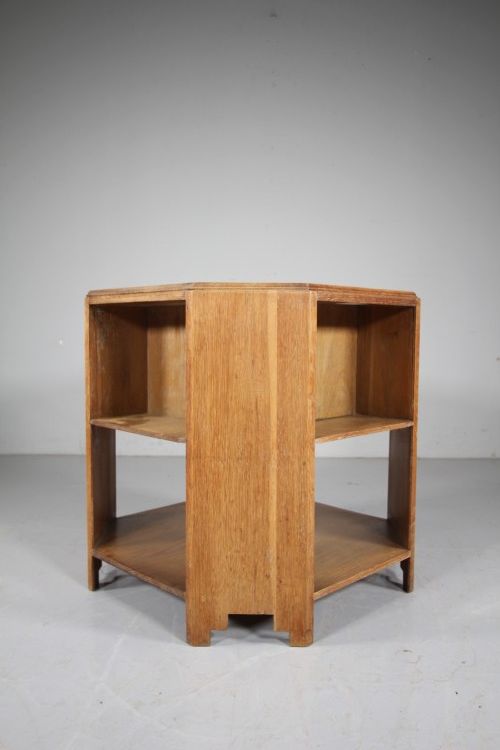
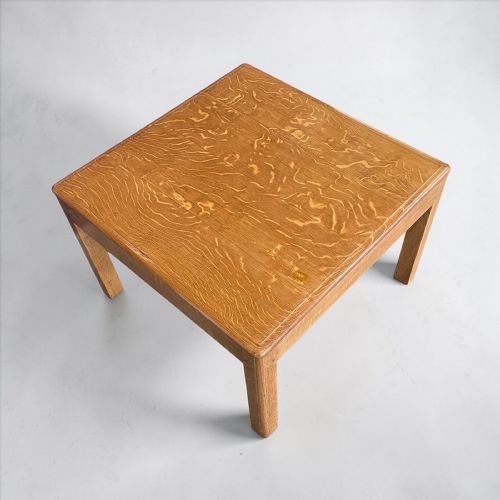
An art deco oak side table brings clean geometry and honest timber into a room, offering both everyday utility and distinct interwar character. The search for an art deco oak side table leads you to sturdy occasional furniture produced mostly during the interwar decades. These pieces range from simple lamp tables and coffee tables to multi-functional book tables and compact nests.
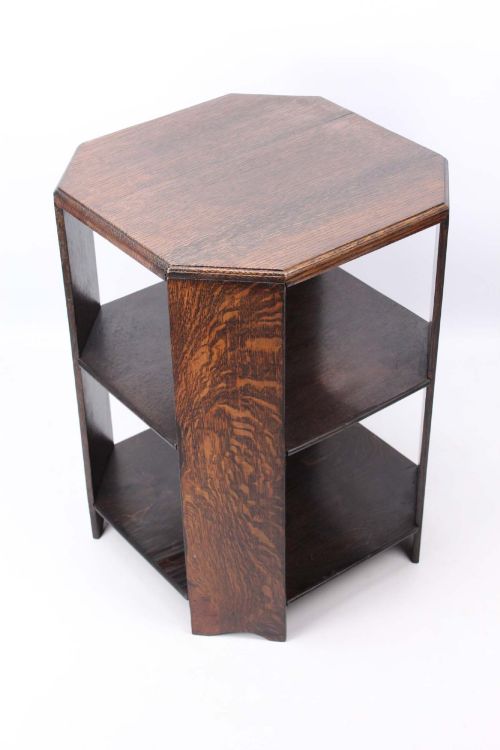
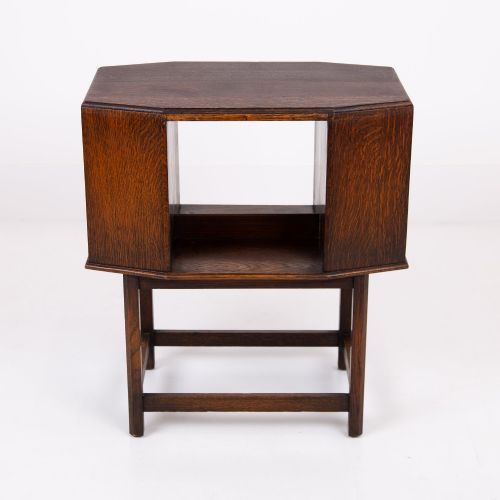
Most examples date firmly from the 1920s and 1930s, reflecting the transition from traditional craftsmanship towards modernist simplicity. You will frequently encounter items attributed to prominent London makers like Heal's, alongside robust English and French interpretations of the style. The primary form prioritises practical surfaces and integrated storage, such as under-tier shelving for books or octagonal footprints.
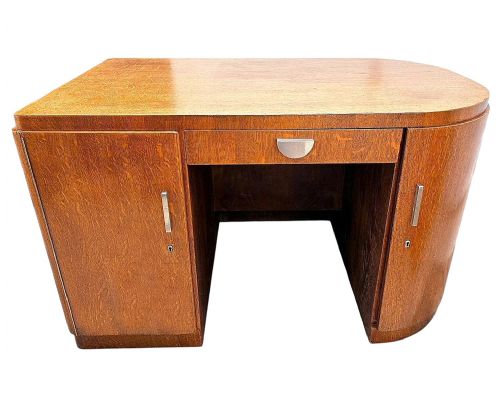
On this page, you will meet side tables, occasional tables, and coffee tables that showcase the enduring appeal of oak during the modernist era. While some pieces adhere strictly to rectilinear geometry, others embrace curved D-ends, octagonal tops, or blonde finishes. They suit both period interiors and modern minimalist spaces seeking tactile warmth and architectural lines.
What varies in quality
The distinction between standard production items and superior examples of an art deco oak side table lies in the ambition of the design and the selection of materials. High-end pieces often feature carefully matched blonde oak veneers, subtle ebonised accents, or integrated multi-functional storage like rotating book tiers. Lesser pieces rely on heavier, plainer timber without the thoughtful proportions or refined edge profiles seen in architect-designed furniture.
Art Deco Oak Side Table Retail Price Guide 2026
Typical asking prices for art deco oak side table among the pieces listed under this phrase on Sellingantiques today, from the lower quarter to the upper quarter. They describe what is for sale here now, not the wider market.
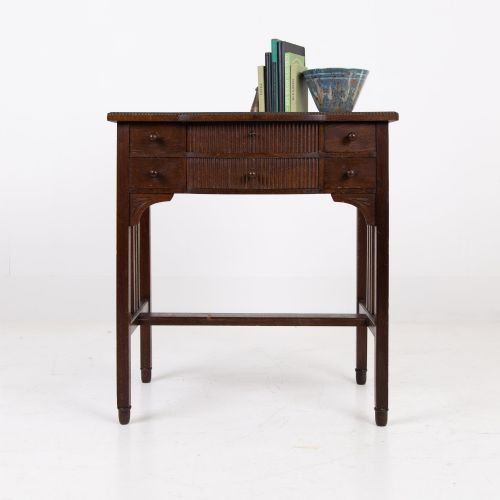
Object forms span side tables, coffee tables, occasional tables, nests of tables, desks, console tables, bedside cabinets, and lamp tables.
Heal And Son·Betty Joel
The Art Deco Oak Side Table Glossary
- Art Deco
- A design style spanning the 1920s and 1930s characterised by streamlined geometric forms, stylised motifs, and modern industrial materials. It replaced heavy Victorian ornamentation with clean lines and functional elegance.
- Blonde Oak
- A pale variety of oak timber chosen for its light, honeyed tone. This finish became particularly fashionable during the interwar period to brighten domestic interiors.
- Limed Oak
- A wood finishing technique where a white pigment is rubbed into the open grain of oak to create a frosted, lighter appearance. It was widely utilised by modernist designers in the 1920s and 1930s.
- Ebonised Wood
- Timber treated with a chemical stain or dye to turn it jet black, mimicking genuine ebony. Makers used this technique to create sharp visual contrast against blonde oak surfaces.
- Nest of Tables
- A set of graduated tables designed to fit neatly beneath one another when not in use. They provide flexible surface space in compact living areas.
- Occasional Table
- A light, moveable table intended for specific, temporary use rather than permanent placement. These versatile pieces function easily as lamp stands or side supports.
Art Deco Oak Side Table: Frequently Asked Questions
Where were these tables used in a 1930s home?
These versatile pieces served primarily as lamp tables beside armchairs, bedside cabinets in bedrooms, or compact coffee tables in sitting rooms. Their multi-functional designs often included built-in compartments for holding periodicals and books.
Their compact footprints made them ideal for the shifting scale of interwar domestic architecture.
How do I care for blonde oak surfaces?
Maintain the wood by dusting regularly with a soft, dry cloth and avoiding excessive moisture or direct sunlight. Periodic application of quality beeswax helps nourish the grain without building up heavy chemical residues.
Keep tables away from direct heat sources to prevent the timber or veneers from splitting.
What is the difference between 1920s and 1930s designs?
Pieces from the 1920s often retain heavier traditional proportions while introducing early modernist geometric accents. By the 1930s, designs became more streamlined, frequently favouring blonde oak veneers and minimalist forms.
The later decade also saw a rise in multi-functional furniture like nests of tables and integrated bookcase units.